
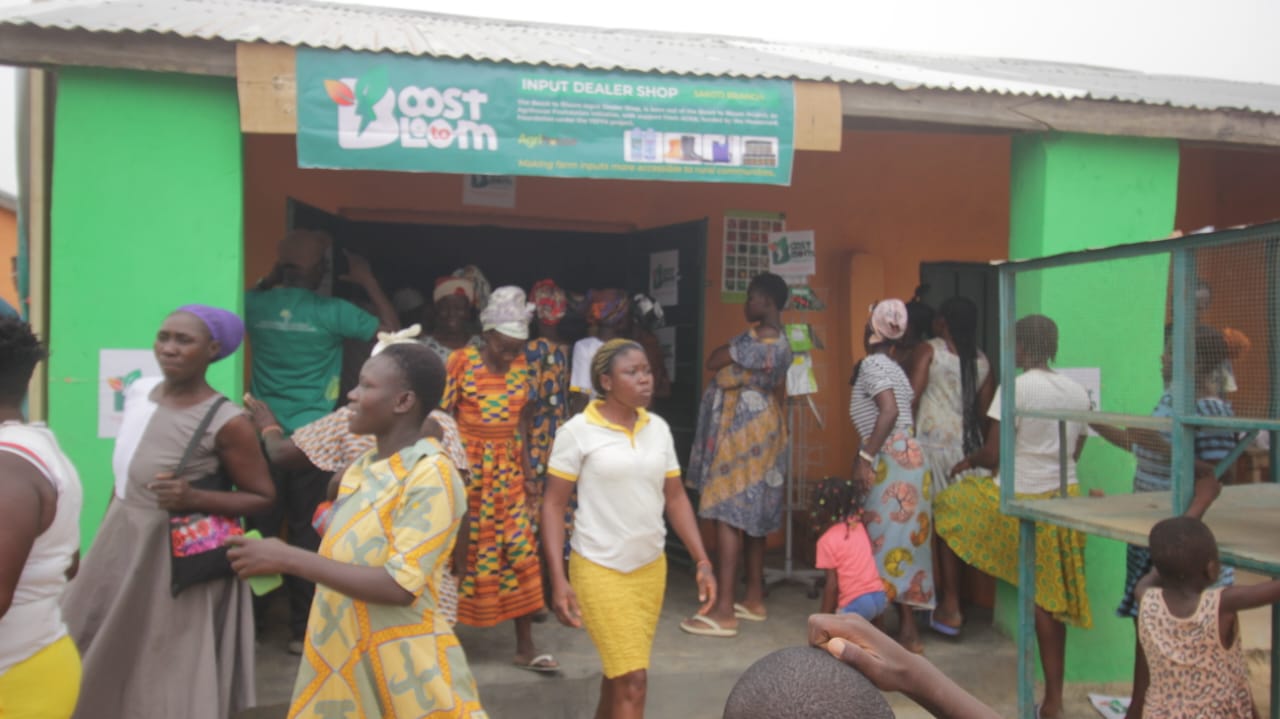
A new agricultural input shop has been officially opened in Sakoti in the Nabdam District of the Upper East Region to support smallholder farmers and improve rural livelihoods across northern Ghana.
The ceremony, held on Friday, April 10, 2026, is a part of a broader intervention expected to benefit about 20,000 farmers across the five regions of the north. The initiative includes the establishment of 10 input shops, with two in each region.
The facility, set up under the Boost-To-Bloom initiative by the Agrihouse Foundation in partnership with AGRA and the Mastercard Foundation, is designed to bring farming inputs and services closer to rural farmers, reducing the long and costly journeys often required to access supplies.
Speaking to journalists after the commissioning on behalf of the Executive Chairperson of Agrihouse Foundation, Alberta Nana Akyaa Akosa, the Field Project Lead, Abdul-Fatahu Shayibu, explained that the project focuses on empowering women aged 18 to 35, as well as persons with disabilities, through year-round vegetable production.
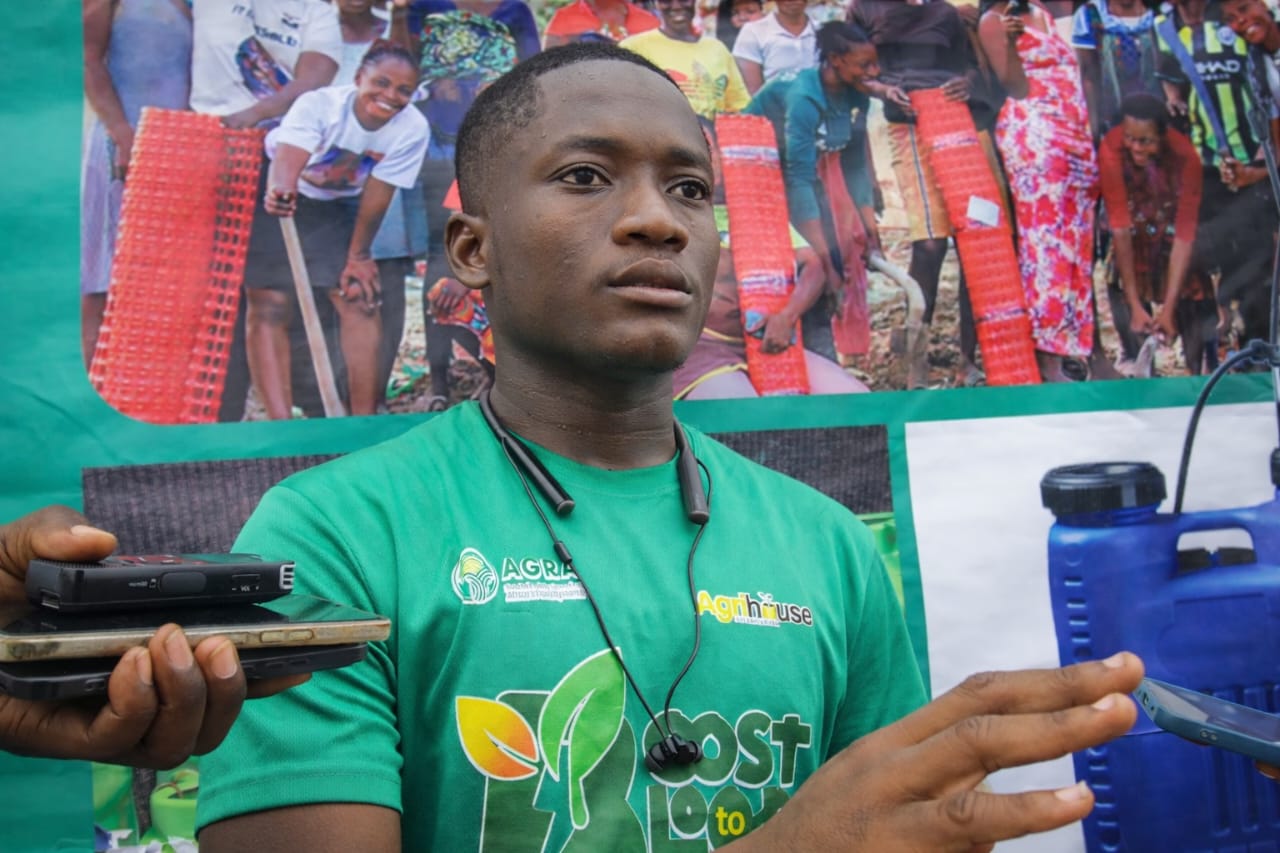
“This project is about equipping young women and persons with disabilities with practical skills and opportunities in agriculture,” he said. “We organize them into groups, support them with land, preferably near a water source so they can farm throughout the year.”
He noted that the intervention also responds directly to climate variability in the region.
“Sometimes when the rains stop, it becomes difficult for farmers to continue production. That is why we are strongly promoting dry-season farming, ensuring access to water so farming activities do not come to a halt,” he explained.
On the rationale behind the input shop, Shayibu added: “Farmers previously had to travel five to ten kilometres just to access inputs. Now the shop is right here in the community. You can walk in or even call the shop operator to arrange what you need. It saves time, reduces costs, and allows farmers to focus on production.”
He further highlighted the broader economic value of the initiative. “This is not just a shop; it also serves as an aggregation centre. Farmers can bring their produce here, and buyers from Accra and other regions can purchase in bulk. This is how we sustain incomes and expand market access.”
Touching on inclusivity, he emphasized that the shop is being managed by a person with a disability. “This is part of our commitment to ensuring no one is left out. The manager is trained not only to sell but also to guide farmers on the proper use of inputs to improve yields,” he said.
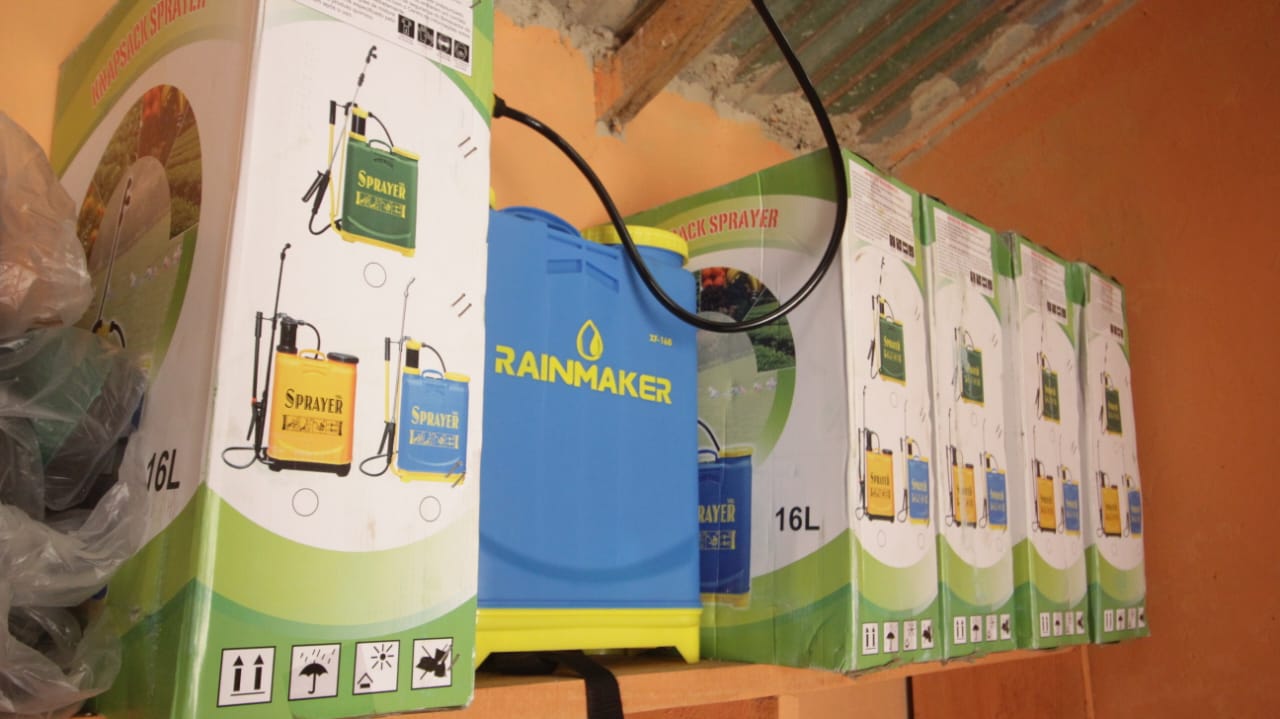
Shayibu also disclosed that “AGRA and the Mastercard Foundation are providing the startup inputs, from ploughing to fertilisers. The farmers’ responsibility is to manage their farms effectively while we provide technical support,” he noted. “We will also stock the shop initially, after which it will operate as a sustainable business, with the operator linking directly with suppliers.”
The Nabdam District Director of Agriculture, Rasheed Imoro, welcomed the initiative, describing it as a major relief for farmers in the area.

“Today, we are very happy to be part of this commissioning. Access to inputs has always been a challenge. Farmers had to spend extra money on transport just to purchase basic items,” he said. “With this shop, farmers can simply walk in and buy at normal prices. It reduces costs and makes farming more attractive, especially for the youth.”
Mr. Imoro assured that the Department of Agriculture would complement the initiative with technical support.
“We are here to provide training and guidance. If farmers need assistance with fertiliser application, pest control, or any technical issue, we will be available,” he said.
He also stressed the importance of climate-smart agriculture. “Rainfall patterns are no longer predictable. Pest and disease trends are changing, and temperatures are rising. However, we have technologies that can help farmers adapt and remain productive, and that is where we come in,” he added.
For beneficiary Faustina Apana, the project is already making a difference.
“We are grateful for this support. This shop will help us a lot,” she said. “Previously, we had to travel all the way to Pelungo using a ‘Cando’ or Motor King just to buy tools like pumps and cutlasses. Now everything is available here.”
She added that the initiative is creating new opportunities for young people in the community. “We didn’t have this kind of support before. Now we are growing pepper, tomatoes, maize, and millet ourselves. It is helping us feed our families and support our households,” she said.
“We are appealing for more support so we can expand what we are doing,” Ms. Apana added.
The Boost-To-Bloom initiative builds on the success of the “1 Household, 1 Garden” programme and aims to strengthen food security, nutrition, and agribusiness development across northern Ghana.
A1 Radio | 101.1 Mjhz | Seidu Mutawakil | Bolgatanga