
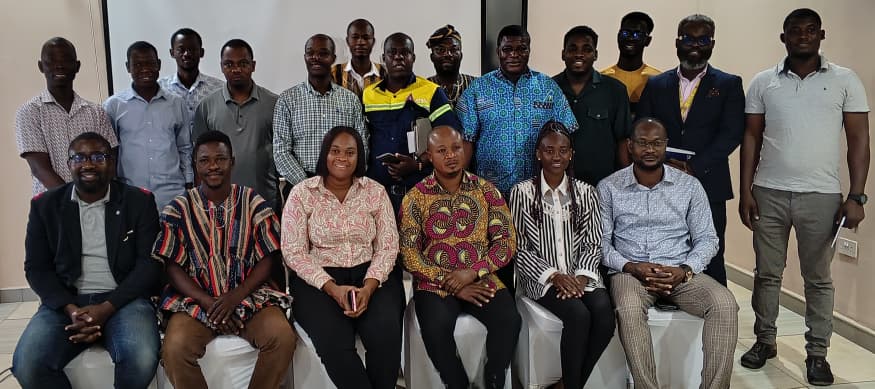
The Energy Commission has held a stakeholder engagement in Bolgatanga to sensitize the public on proposed regulations governing Electric Vehicle (EV) charging stations and battery swap systems.
The forum, which brought together stakeholders from academia, the Environmental Protection Agency, Electricity Company of Ghana, Northern Electricity Distribution Company, Volta River Authority, Driver and Vehicle Licensing Authority, solar companies and the media, formed part of efforts to deepen awareness and understanding of Ghana’s evolving electric mobility ecosystem.
The engagement also sought to explore business opportunities within the EV charging infrastructure space and promote informed consumer behavior. The initiative is under the Commission’s Drive Electric Initiative, launched in 2019 to promote the adoption of electric vehicles and the development of charging infrastructure across the country.
Speaking to the media, the Project Coordinator of the Drive Electric Programme at the Energy Commission, Joyce Caitlyn Ocansey, said the visit to Bolgatanga was a follow-up to earlier engagements.
“In 2022, we came here to establish a baseline. This engagement is to inform stakeholders that the Commission has developed draft regulations on EV charging stations and battery swap systems for approval, and to create awareness around them,” she explained.
She noted that the rapid advancement of technology and the growing presence of electric vehicles in Ghana made it necessary to regulate the sector.
“Whether we like it or not, EVs are coming into the country. Most of them charge at home, while others depend on public charging using the national grid. It is therefore important to ensure the safety of the grid, the public and consumers,” she said.
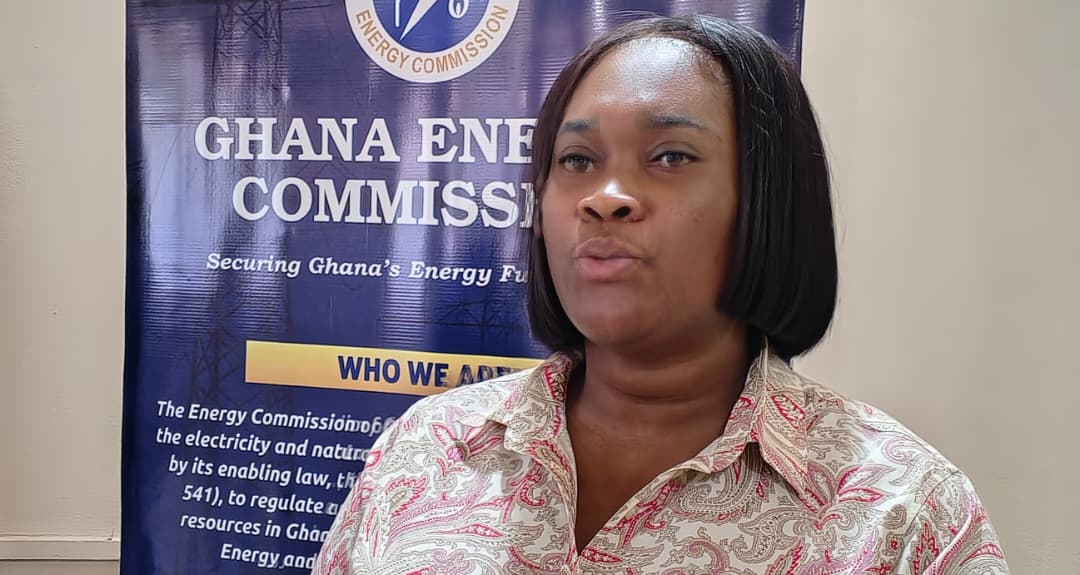
She further revealed that a market opportunity study conducted in 2025 has identified several investment opportunities in the EV space, including charging station operations and battery swap systems, particularly for two and three-wheeled vehicles.
According to her, the EV ecosystem in Ghana is expected to be largely private sector-driven, with government providing an enabling regulatory environment. She added that the Commission plans to develop a national charging location map to ensure equitable distribution of EV infrastructure across the country, rather than concentrating it in major cities.
On climate change, Ms. Ocansey stressed that the transition to electric mobility could significantly reduce greenhouse gas emissions.
“Studies show that the transport sector contributes about 50 percent of Ghana’s emissions. Moving to electric vehicles, especially with solar-based charging, could cut emissions drastically and reduce pollution and related health challenges,” she noted.
She also explained that the proposed regulations would cover the entire EV value chain, including manufacturers, importers, installers, operators, and suppliers.
“Anyone who wants to set up a charging station, even at home, must register with the Energy Commission. For commercial operations, licensing is required. The Commission is regulating the entire value chain to ensure standards and safety,” she emphasized.
The stakeholder engagement forms part of nationwide efforts by the Energy Commission to promote electric mobility while ensuring safety, sustainability and investment growth within Ghana’s energy and transport sectors.
A1Radioonline.com|101.1Mhz|Joshua Asaah|Bolgatanga