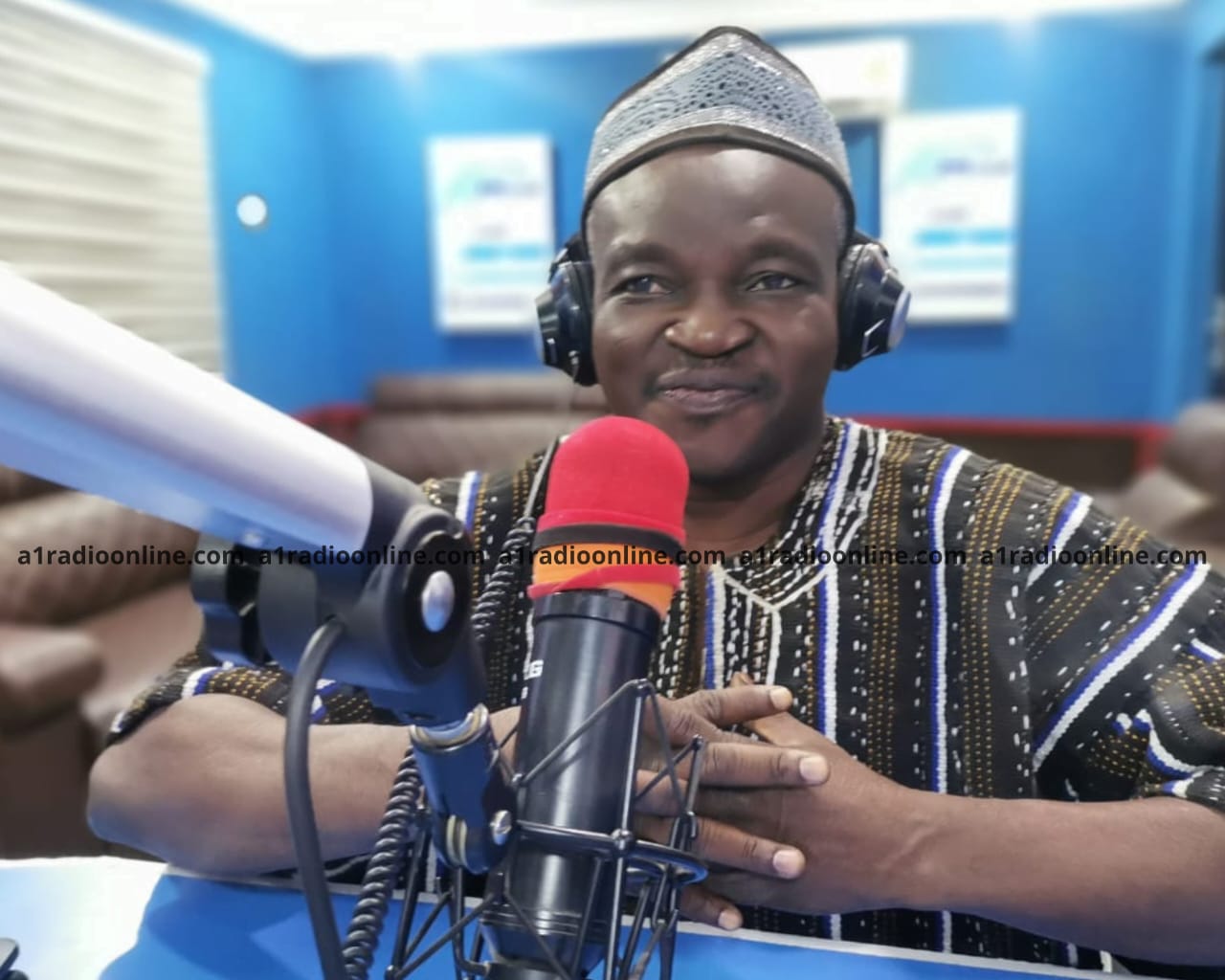
The Upper East Regional Chairman of the Conference of Heads of Assisted Secondary Schools (CHASS), Richard Akumbase, has linked some disciplinary and teaching challenges in schools to the presence of non-professional teachers within Ghana’s education system.
Speaking on A1 Radio, he argued that teaching requires specialised professional training beyond subject knowledge, warning that untrained teachers may struggle to manage classrooms and effectively support student development.
His comments follow disclosures by the National Teaching Council (NTC) that more than 42,000 teachers in Ghana’s basic and senior high schools lack professional teaching qualifications.
According to Mr. Akumbase, professional teacher training equips educators with essential skills in classroom management, child development, assessment, and teaching methods, all of which are necessary to respond to the different learning needs of students.
“Having a professional qualification is as important as having the academic knowledge,” he said.
He cautioned that allowing individuals without pedagogical training to remain in classrooms for long periods could have lasting consequences for the quality of education and students’ academic performance.
He compared the situation to allowing unqualified personnel to work in the health sector, stressing that inadequate professional preparation could cause harm.
Mr. Akumbase also criticised what he described as a relaxed approach by the Ghana Education Service (GES) in enforcing professional standards among teachers already employed in schools.
“I think maybe GES has been a bit relaxed because if they had given these people some deadlines to be able to get the professional qualification, or offer some programs that are at a reduced cost,” he said.
He recommended that teachers currently in the system be supported to undertake professional education courses and obtain licences, while future recruitment processes should exclude applicants who do not possess recognised teaching qualifications.
“The earlier we equip them with the professional qualification to be able to handle our children well, the better for all of us because if you want to wait on them to decide on their own time to go for the professional, and if they are not going, the effect is onto us. It is the Ghanaian child who will suffer ultimately,” he stated.
Mr. Akumbase maintained that addressing the issue promptly would improve the quality of teaching and better protect the interests of Ghanaian students.
A1 Radio | 101.1 MHz | Gifty Eyram Kudiabor | Bolgatanga