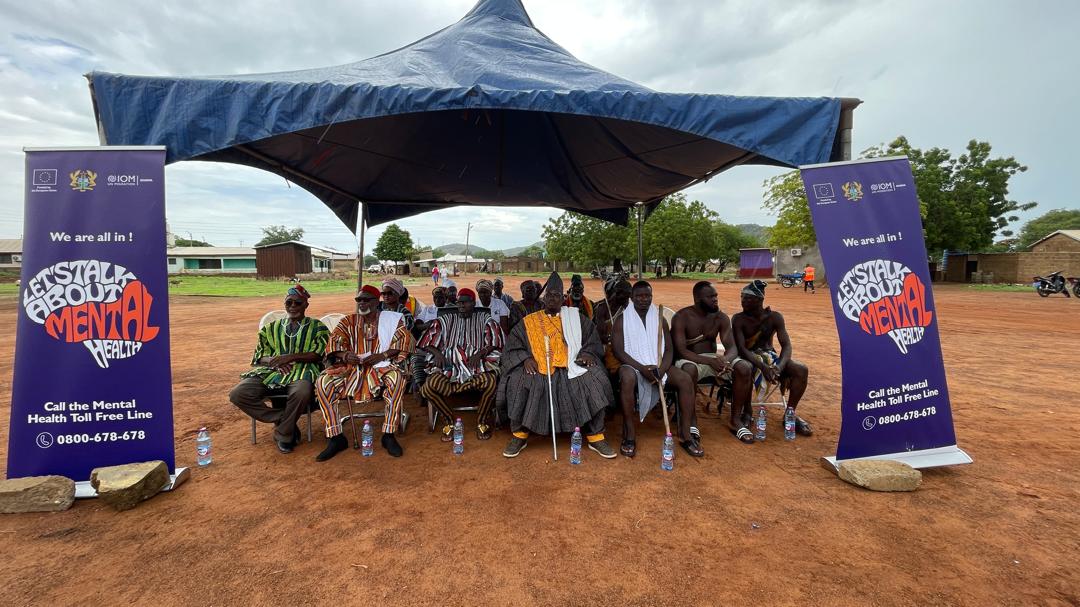
The International Organization for Migration (IOM) has launched a community sensitisation campaign on mental health in the Upper East Region. The campaign aims to raise awareness about the psychological challenges faced by migrants and promote community support for people living with mental health conditions.
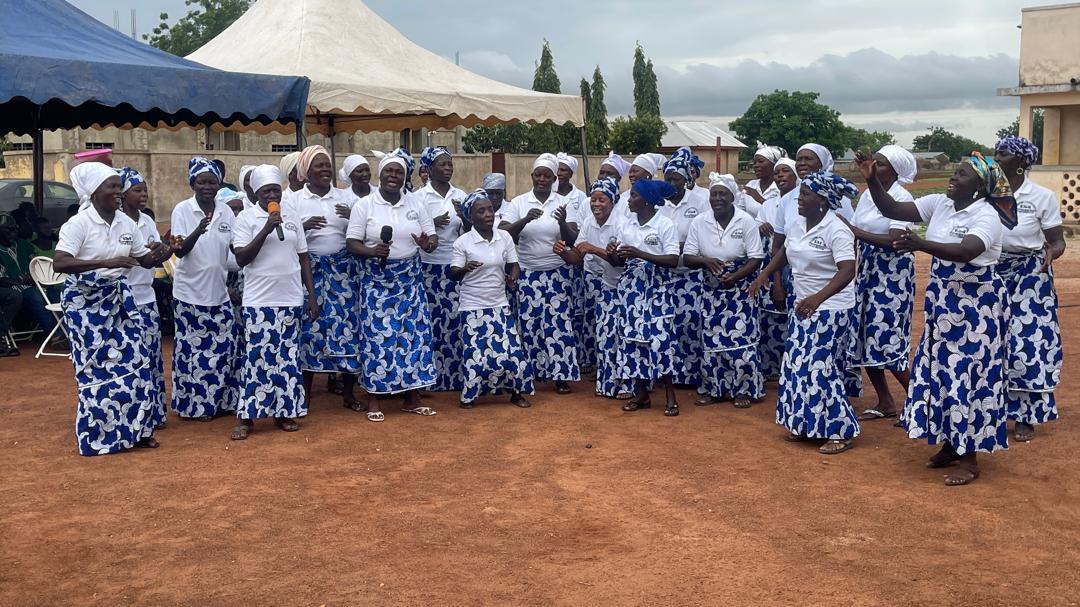
The exercise, which forms part of the ATTU Mental Health and Psychosocial Support Project, was held at Tongo in the Talensi District and brought together traditional leaders, health professionals, local authorities, youth groups, students, and community members.
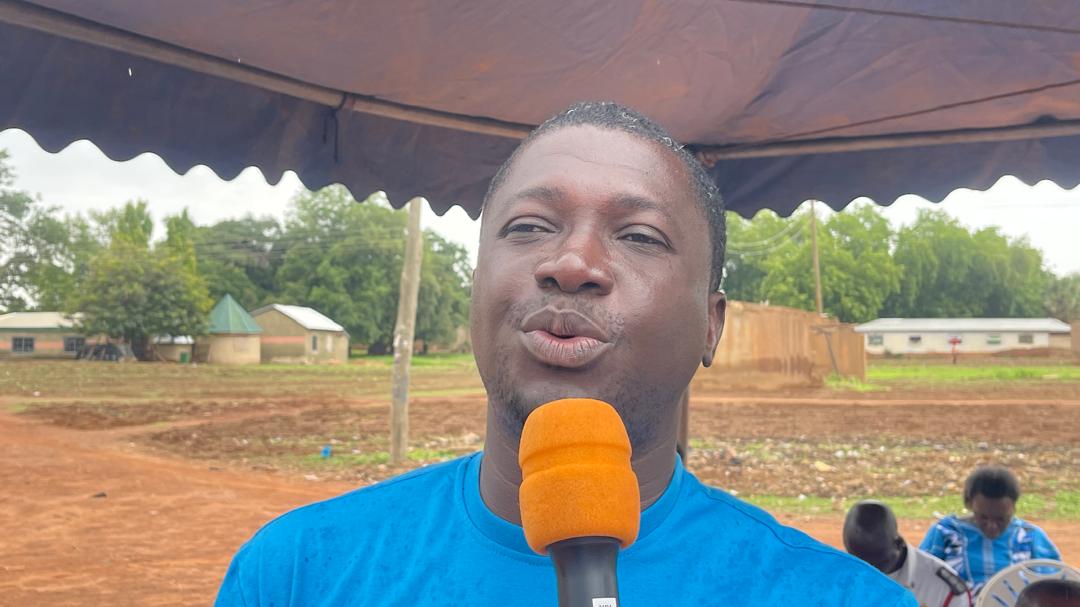
Speaking at the event, Monitoring and Evaluation Officer at IOM, Prince Ahinakwah-Wilson, explained that the organization’s work goes beyond migration management to addressing the social and psychological challenges associated with migration.
“The International Organization for Migration is the United Nations agency responsible for migration issues. We realized that many of our young people who travel outside the country, especially those who pass through Libya and other dangerous routes, experience severe trauma and psychological distress,” he said.
According to him, some returnees suffer from serious mental health conditions to the extent that they are unable to remember their hometowns, families, or personal identities.
“There are many of them that we have returned who do not remember their hometowns, their parents, or anything about themselves. In such situations, we work with health authorities to provide psychosocial counselling and treatment until they recover and can be reunited with their families,” Mr. Ahinakwah-Wilson stated.
He noted that even migrants who appear physically healthy often carry emotional scars from the torture, abuse, and hardships they endure during migration journeys.
“Though you may see them looking healthy, their mindset may have been affected. The slightest challenge can make them become violent, withdrawn, or develop other behavioral issues because of the trauma they have gone through,” he added.
Mr. Ahinakwah-Wilson said the sensitization exercise is being implemented in partnership with the Ghana Health Service, the National Disaster Management Organization (NADMO), Basic Needs Ghana, and LOAD-Ghana.
The campaign is being piloted in five districts across the Upper East Region, including Bongo, Bolgatanga, Talensi, Nabdam, and Kassena-Nankana West.
Talensi District Mental Health Coordinator, Felicia Naabdoya, said the program was designed to educate communities on how to support migrants who may be struggling with psychological challenges.
She explained that migration-related stress, displacement, and economic hardships often contribute to mental health problems among migrants and host communities.
Madam Naabdoya also expressed concern about the growing prevalence of drug and substance abuse in the district, describing it as the most common mental health challenge currently confronting young people.
“Drug and substance abuse is more prevalent in Talensi than any other mental illness. Most of the cases we receive are related to drug and alcohol abuse,” she said.
According to her, the district is currently treating about 60 known cases of drug and alcohol-related mental health conditions, although she believes the actual number may be much higher because many affected individuals do not seek professional help.
“The biggest challenge is that most of them do not report for treatment. They only come when the condition becomes severe, and even after receiving treatment, many default and return to substance abuse,” she noted.
Madam Naabdoya linked the increasing cases of drug abuse partly to mining activities in the district, where some workers rely on substances such as tramadol and other illicit drugs to endure strenuous labor.
Talensi District Chief Executive, John Milim Nabwomya, commended IOM and its partners for initiating the awareness campaign and stressed the importance of collective action in addressing mental health challenges.
“Mental health is a crucial aspect of human development, yet it is often misunderstood and surrounded by stigma. Today’s gathering reminds us that mental health is everyone’s responsibility and that no one should suffer in silence,” he said.
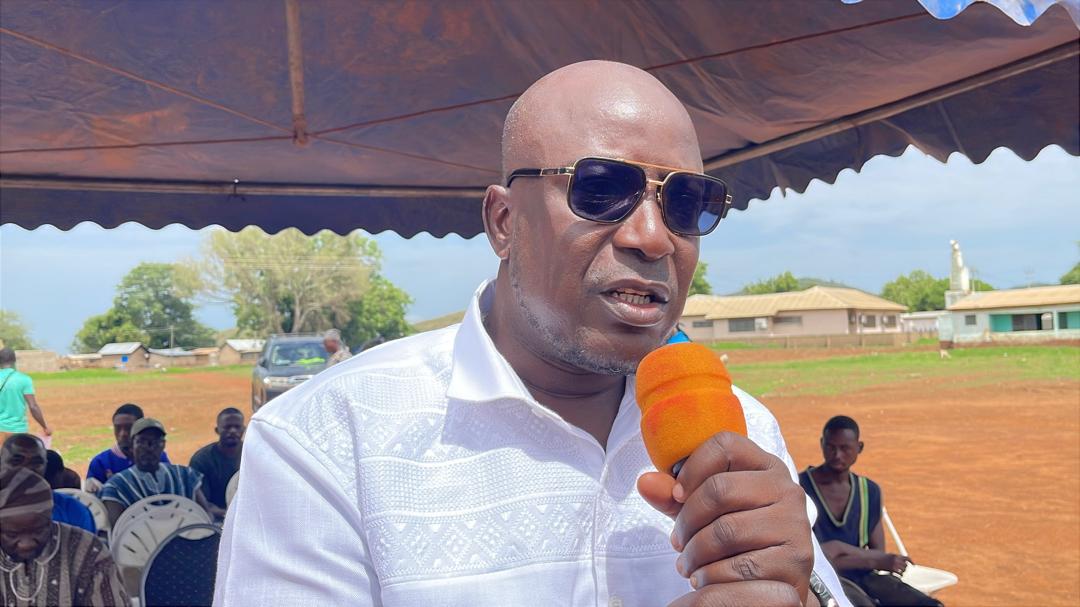
The DCE encouraged traditional leaders, religious institutions, teachers, health workers, and community members to support efforts aimed at promoting mental health awareness and inclusion.
Representing the Paramount Chief of the Talensi Traditional Area, Tongraan Kugbilsong Nanlebegtang, the Chief of Baare, Naab Nyakora Mantii, expressed concern over the increasing involvement of young people in illicit drug use.
“Most of our youth have indulged in illicit drug abuse, and this does not augur well for our communities and the nation. We need collective action to minimize the sale and use of these drugs,” he said.
He announced that traditional authorities would soon direct communities to establish task forces to monitor and curb the sale of illicit drugs across the district.
The chief also appealed to government to establish a mental health facility in the Talensi District to improve access to treatment and support services for people living with mental health conditions.
The sensitization campaign forms part of efforts by IOM and its partners to strengthen community support systems, reduce stigma associated with mental illness, and improve access to mental health care for vulnerable populations affected by migration and other social challenges.
A1Radioonline.com|101.1Mhz|Joshua Asaah|Tongo