
Deputy Minister for Education Dr. Clement Abas Apaak has called for stronger collaboration between universities and industry to equip Ghanaian graduates with practical digital skills needed to compete in a rapidly changing job market.
He said partnerships between academic institutions and technology companies could help narrow the gap between what students learn in the classroom and the skills employers require.
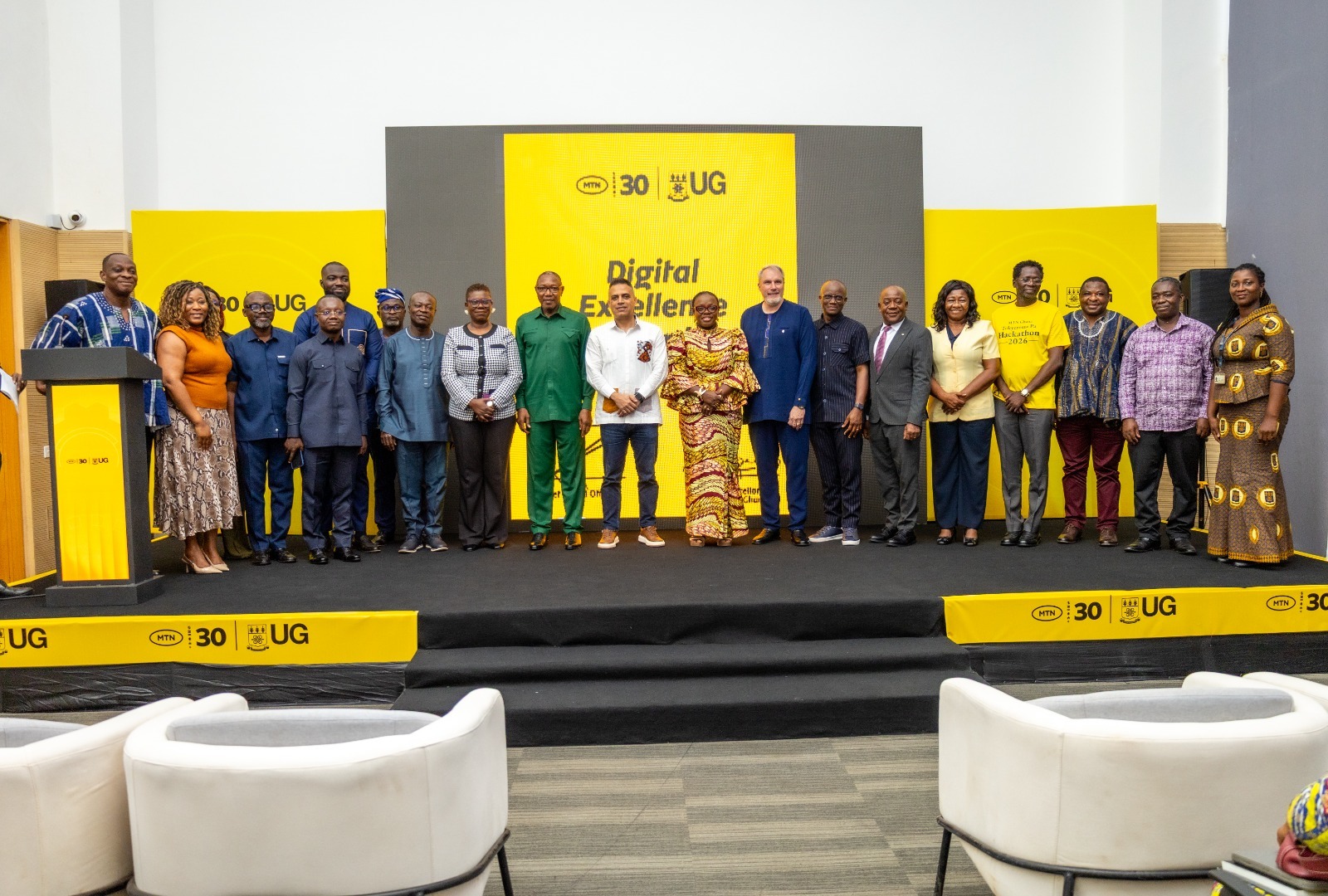
Dr. Apaak made the remarks at the signing of a partnership between MTN Ghana and the University of Ghana in Accra on Wednesday, September 2, 2026.
Speaking on behalf of Education Minister Haruna Iddrisu, Dr. Apaak described the partnership as an example of the industry-academia collaboration needed to strengthen Science, Technology, Engineering and Mathematics (STEM) education and improve the employability of young people.
“Every major digital economy was built on one partnership: a classroom willing to teach the future, and an industry willing to invest in it. That is exactly what we are witnessing today,” he said.
The Deputy Minister said digital innovation, data systems and artificial intelligence were increasingly shaping the global economy, requiring Ghana’s higher education system to place greater emphasis on practical digital skills.

According to him, partnerships of this kind could give students opportunities to move beyond theoretical classroom knowledge and gain practical experience relevant to the technology industry.Digital awards and hackathon
The partnership includes the MTN Ghana Digital Excellence Awards, which will recognise high-performing Computer Science students and provide pathways to practical tools, National Service placements and opportunities within the technology industry.
It will also introduce the Tɛkyerɛma Pa Hackathon, which is expected to challenge students to develop technology-based solutions to socio-economic problems in Ghana.
Dr. Apaak said such initiatives could help young people move from being consumers of technology to creators of digital products and solutions.
“The responsibility now rests on you to build applications, algorithms and enterprises that solve pressing national challenges, and position Ghana as a competitive participant in the global digital economy,” he told students and young innovators.
He said the partnership would also expose beneficiaries to practical competencies in artificial intelligence, software development, data science and other skills increasingly relevant to the modern workforce.
Dr. Apaak cited Rwanda’s Kigali Innovation City as an example of how collaboration among universities, technology companies, start-ups and investors could contribute to broader economic development.
He said such collaboration could extend beyond improving education to creating jobs, supporting entrepreneurship and strengthening innovation.
“The lesson is clear: when industry and academia work together with intention, the benefits go beyond the classroom. They create jobs, grow enterprises, strengthen innovation and improve national productivity,” he said.
Dr. Apaak said the Ministry of Education was committed to creating a policy environment that encourages businesses to invest in universities and other educational institutions.
He described MTN Ghana’s investment in human capital as an example of public-private collaboration and urged other companies to develop similar partnerships that respond to the country’s skills and innovation needs.
The Deputy Minister said the government views such initiatives as important to strengthening the connection between education, innovation, industry and national development.
He expressed the Ministry’s appreciation to MTN Ghana and the University of Ghana for the partnership and reaffirmed the government’s support for initiatives aimed at accelerating digital skills development and the transformation of education in Ghana.
A1 Radio | 101.1 MHz | Moses Apiah | Bolgatanga