
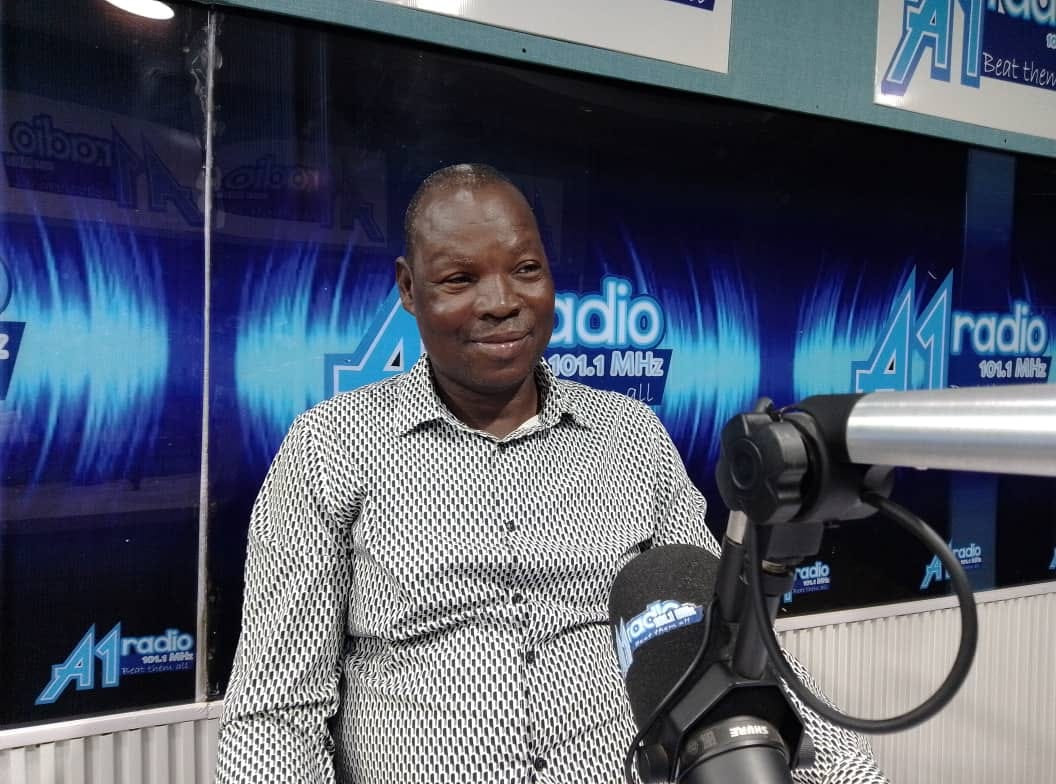
A member of the New Patriotic Party (NPP) Communications Team in the Upper East Region, Edmund Awuni, has urged voters to assess the performance of Members of Parliament (MPs) based on their constitutional responsibilities and not solely on the development projects they promise or deliver.
According to him, constituents must distinguish between the core responsibilities of MPs, including lawmaking, representation and parliamentary oversight, and the additional efforts they make to attract development projects to their constituencies.
Speaking on A1 Radio, Mr Awuni said voters should understand what the Constitution requires of MPs and compare those responsibilities with the promises politicians make during election campaigns.
“We need to, as the case is, look at what the constitution says about the role of an MP, and what they themselves tell the people, the electorates, when they come round to campaign because they should know better,” he said.
He explained that MPs were expected to represent the interests of their constituents in Parliament, influence policy decisions and engage government officials to advocate for development interventions.
“When they are in Accra there, they are supposed to be the people who can move to a minister in charge of a particular sector and say, ‘Look, my people deserve this,’ because you are representing their interest,” he stated.
Mr Awuni observed that political campaigns had increasingly shifted public expectations towards infrastructure development, with some constituents judging MPs primarily by the physical projects they deliver.
He attributed this shift partly to promises made by politicians during election campaigns, which he said created expectations that voters subsequently demanded they fulfil.
“It looks like the MPs have also helped the electorates or the citizens to shift their responsibilities from what their core mandate is, to just development-driven,” he said.
However, Mr Awuni maintained that although the constitutional responsibilities of MPs should remain central to evaluating their performance, their role in facilitating development could not be overlooked.
He cited the allocation of resources through the District Assemblies Common Fund as one of the avenues through which MPs could support development initiatives in their constituencies.
“Why did they give them their share of the common fund? It is also for developmental projects. So it is not entirely the case that they have nothing to do with bringing development to their place. The constitution foresaw that there is the need for that number one influencer in that constituency, to be able to bring development to his place,” he argued.
Mr Awuni therefore urged politicians to be realistic about the commitments they make during election campaigns, stressing that MPs must clearly communicate what they can reasonably achieve.
“Going forward, every MP should be measured when they are promising the people what they can do,” he advised.
He maintained that assessing MPs against both their constitutional responsibilities and campaign commitments would promote accountability and strengthen public confidence in political leadership.
A1 Radio | 101.1 MHz | Gifty Eyram Kudiabor | Bolgatanga