Government has allocated 10 per cent of the District Assemblies Common Fund (DACF) component going to Metropolitan, Municipal and District Assemblies (MMDAs) to sanitation, as part of efforts to end open defecation in the country.
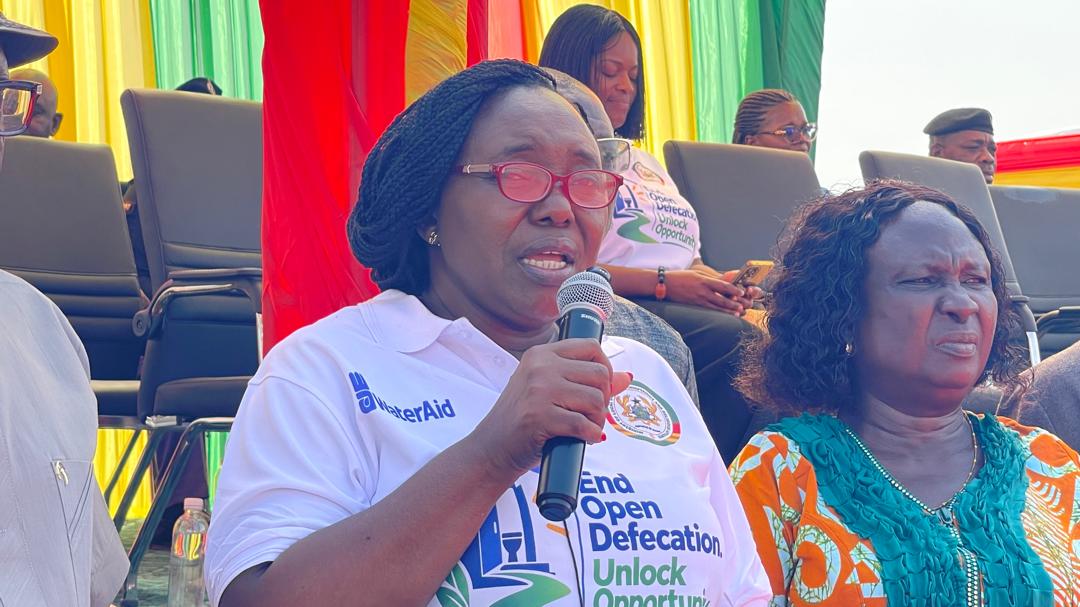
Deputy Minister for Local Government, Chieftaincy and Religious Affairs, Rita Naa Odoley Sowah, said the allocation would support sanitation infrastructure, waste treatment facilities, liquid waste management, the provision of sanitation equipment, policy development, public education and behavioural change.
She disclosed this during the 2026 World Toilet Day commemoration held in the Bongo District of the Upper East Region. According to her, the investment is intended to address the country’s sanitation challenges and accelerate efforts towards ending open defecation.
“Through the DACF, we have the financial support of the 10 per cent of the Common Fund to the MMDAs geared towards sanitation,” she said.
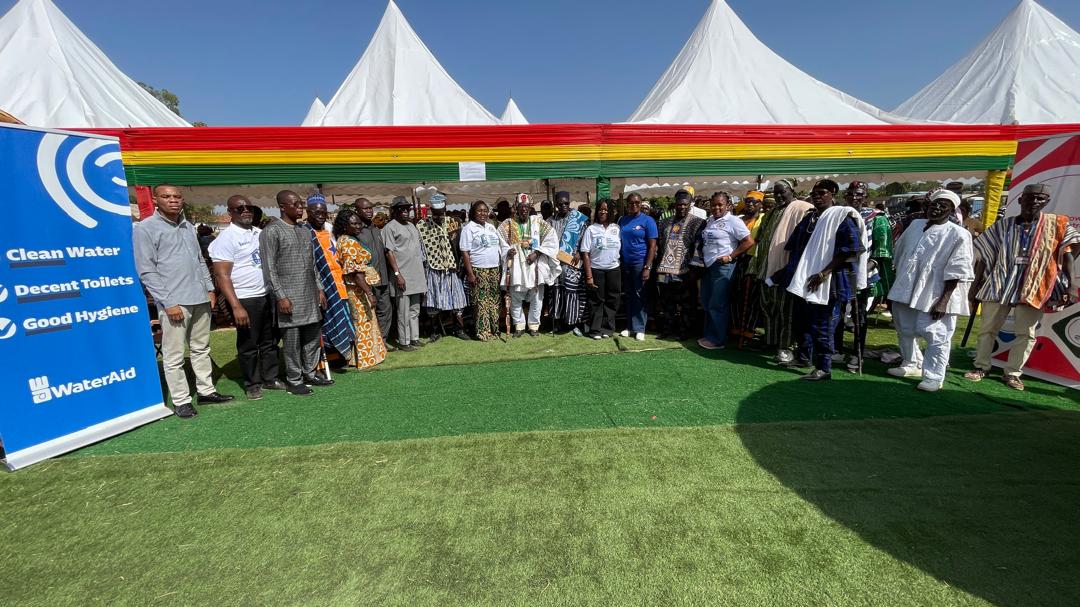
Madam Sowah said the interventions were all aimed at ending open defecation and called on traditional authorities, religious leaders, district assemblies, development partners and households to support the campaign.
She urged chiefs to make household toilets a mark of honour in their communities and called on district assemblies across the country to emulate Bongo’s example by planning, costing and funding sanitation interventions.
She further noted that about 5.4 million Ghanaians still practised open defecation, while more than eight in every 10 people in Bongo District lacked access to toilet facilities.
WaterAid Ghana Country Director, Ewurabena Yanyi-Akofur, said access to safe sanitation was a fundamental human need and should not be treated as a privilege. She stressed that providing toilet facilities alone was not enough, insisting that such facilities must be safe, accessible, functional and properly maintained.
“A toilet is not a privilege. It is an essential service that everyone deserves,” she said.
Madam Yanyi-Akofur commended the Paramount Chief of the Bongo Traditional Area for his leadership and commitment to improving sanitation, particularly through the Bongo Sanitation Challenge.
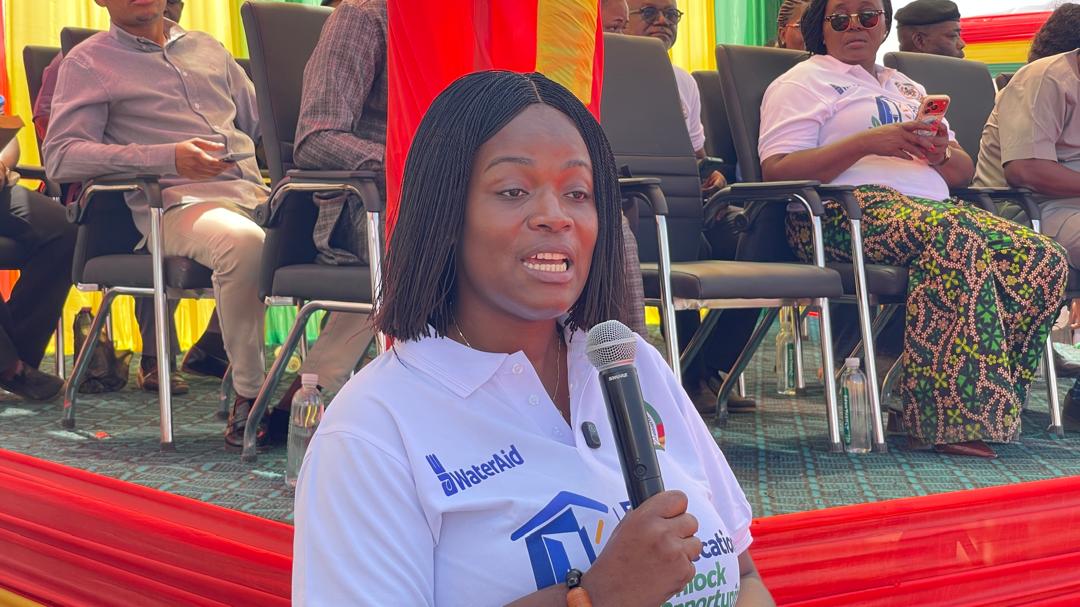
She said WaterAid Ghana remained committed to working with government, traditional authorities, communities and development partners to advance universal access to clean water, decent toilets and good hygiene.
Chairperson of the Coalition of NGOs in Water and Sanitation (CONIWAS), Dr. Beata Awinpoka Akanyani, welcomed the government’s allocation, describing it as an important step towards addressing the country’s sanitation financing challenges.
She called for the timely release and proper utilisation of the funds to ensure they serve their intended purpose at the district level.
“CONIWAS commends the government for allocating 20 per cent of the DACF, that’s 10 per cent for sanitation and 10 per cent for water. We hope and are monitoring how these resources will be put to use to serve our people,” she said.
Dr. Akanyani also called for a national water, sanitation and hygiene financing framework, dedicated sanitation budget lines for assemblies and stronger regulation of sanitation services.
She said sanitation facilities in schools, health facilities, markets and other public institutions must be safe, accessible and properly maintained.
The Paramount Chief of the Bongo Traditional Area, Naba Baba Salifu Atamale Lemyaarum, said the Bongo Sanitation Challenge had resulted in the construction of 690 new household toilets following the signing of the Bongo District WASH Compact in September 2025.
He said the toilets represented an estimated investment of GH¢2 million and had extended sanitation access to approximately 3,700 people.
“These figures represent much more than toilets constructed or money invested. They represent an investment in the local economy of Bongo, job creation for local artisans and expanded market opportunities for suppliers of building materials,” he said.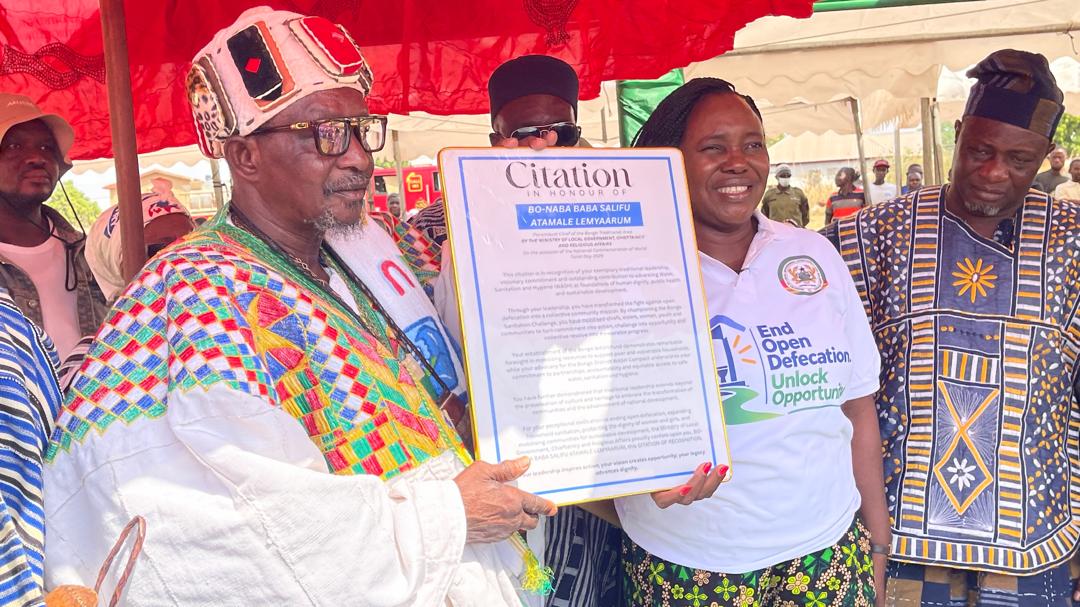
Naba Lemyaarum said the Traditional Council had also established a WASH Fund to support poor and vulnerable households to acquire household toilets.
He disclosed that the traditional area had set a target of ending open defecation by 2030 and called for support and partnerships to expand the sanitation interventions across the 42 communities under his jurisdiction.
Upper East Regional Minister, Donatus Akamugri Atanga, also called on all 15 Municipal and District Assemblies in the region to renew their commitment to improving household and public toilet facilities, strengthening sanitation management and promoting responsible hygiene practices.
He said sanitation must go beyond occasional clean-up exercises and become a sustained public responsibility and a way of life.
“The significance of this initiative must go beyond today’s ceremony,” he said, referring to the inauguration of the Bongo WASH Fund Committee. He urged the committee to operate with integrity, transparency and accountability to ensure that the fund translated into tangible improvements in people’s lives.
Mr. Atanga further urged MMDCEs to prioritise sanitation in their development plans and budgets, enforce sanitation by-laws and intensify public education.
The commemoration, organised by WaterAid Ghana, was held under the theme, “From Open Defecation to Open Opportunity Through the Gender Lens,” and brought together government officials, traditional authorities, development partners, religious groups, students and other stakeholders.
A1 Radio | 101.1Mhz | Joshua Asaah | Bongo