The Bongo Traditional Council has established a Water, Sanitation and Hygiene (WASH) Fund to support poor and vulnerable households in the traditional area to construct household toilet facilities as part of efforts to end open defecation in all 42 communities by 2030.
The fund is expected to address financial challenges preventing some households from owning toilets and also support sanitation interventions in public places.
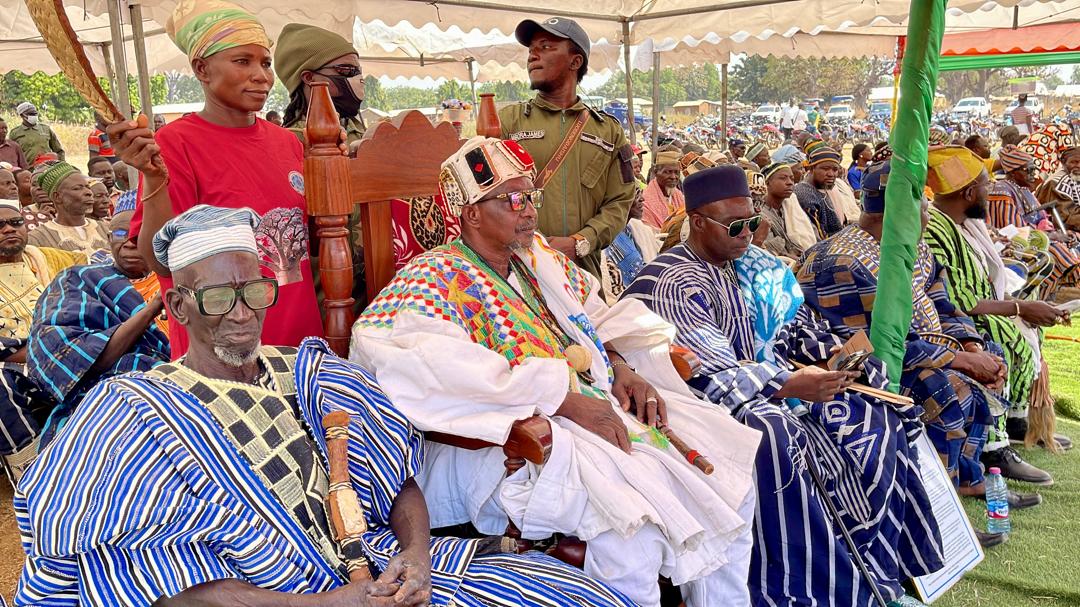
Paramount Chief of the Bongo Traditional Area, Naba Baba Salifu Atamale Lemyaarum, announced this during the 2026 World Toilet Day commemoration held in the Bongo District of the Upper East Region.
He said the establishment of the fund was informed by the need to provide sustainable financing for sanitation, particularly for households unable to afford toilet facilities.
The fund, he explained, was still in its formative stages, but had the potential to mobilise resources and extend sanitation services to vulnerable members of the community.
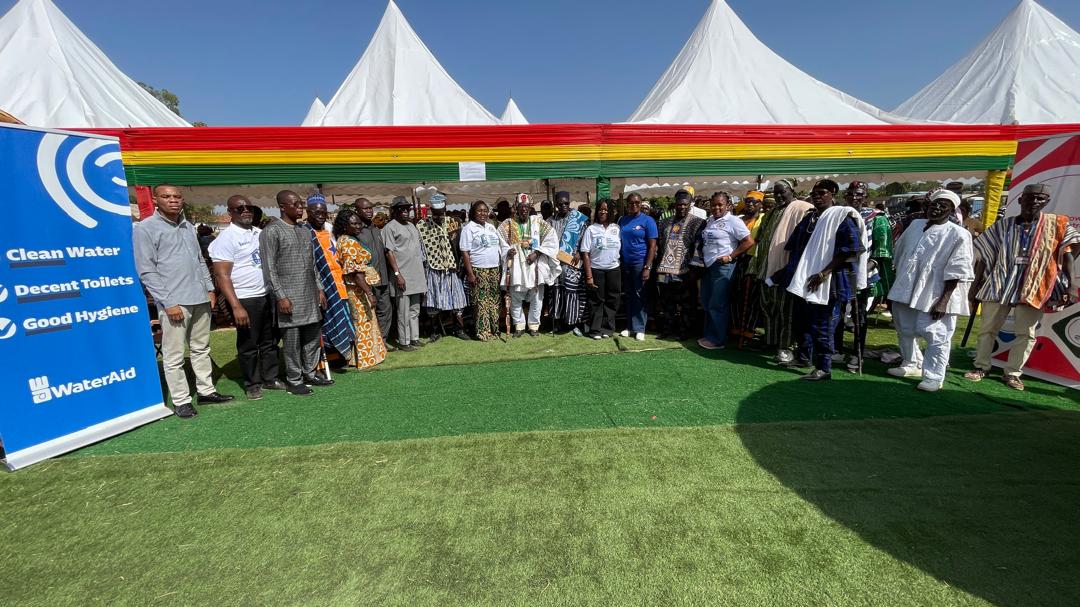
Naba Lemyaarum called on development partners and other stakeholders to support the initiative to enable the Traditional Council to achieve its sanitation targets.
He said the council had set a target of ending open defecation across all 42 communities under its jurisdiction by 2030.
According to him, the district’s sanitation situation remained a major concern, with about 80 per cent of residents practising open defecation, based on the 2021 Population and Housing Census and findings from WaterAid Ghana’s 2024 WASH Service Level Assessment.
He described the situation as worrying, particularly as the national open defecation rate was approximately 18 per cent.
The Paramount Chief said the Traditional Council had taken steps to address the challenge following the signing of the Bongo District WASH Compact in September 2025.
He said the council subsequently introduced the Bongo Sanitation Challenge, which had resulted in the construction of 690 household toilets, representing an estimated investment of GH¢2 million and providing sanitation access to approximately 3,700 people.
He noted that the initiative was not only improving sanitation but also creating economic opportunities for local artisans and suppliers of building materials.
Naba Lemyaarum said access to household toilets was particularly important for women and girls, who faced risks of sexual harassment, rape, snake bites and other forms of harm when compelled to practise open defecation.
He stressed the need for sanitation interventions to respond to the different needs and vulnerabilities of women, men and children.
Meanwhile, Upper East Regional Minister, Donatus Akamugri Atanga, has pledged GH¢10,000 to the WASH Fund to support the Traditional Council’s efforts to improve household sanitation.
The Paramount Chief appealed to chiefs, community leaders and residents to sustain the sanitation campaign until open defecation becomes a thing of the past in the Bongo Traditional Area. The 2026 World Toilet Day commemoration was held under the theme, “From Open Defecation to Open Opportunity Through the Gender Lens.”
A1 Radio | 101.1Mhz | Joshua Asaah | Bongo