
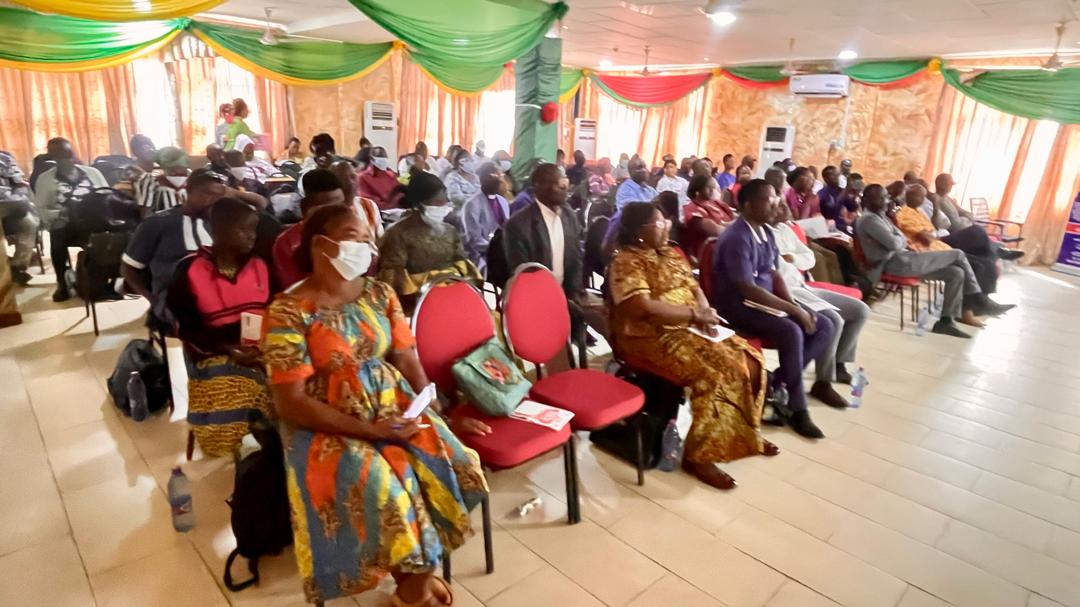
The Youth for Health (Y4H) Project, implemented by Youth Advocates Ghana (YAG) in partnership with Marie Stopes International (MSI) Ghana, has chalked significant successes in improving adolescent sexual and reproductive health outcomes in the Northern and Upper East regions.
The achievements were highlighted at a closeout ceremony held in Bolgatanga in the Upper East Region, marking the end of the three-year European Union–funded initiative, which also received partnership support from the Ghana Health Service (GHS) and the Ghana Education Service (GES).
Over the project period, Y4H championed adolescent sexual and reproductive health advocacy, education and access to services, particularly in underserved and hard-to-reach communities. Through a combination of community engagement, school-based interventions and health system strengthening, the project directly and indirectly reached more than 100,000 young people and community stakeholders.
Speaking to the media during the closeout ceremony, the Programmes Coordinator of Youth Advocates Ghana, Ms Gifty Boahemaa Appea, said the project focused on building the capacity of young people to take up leadership and decision-making roles while empowering them to educate their peers on reproductive health issues.
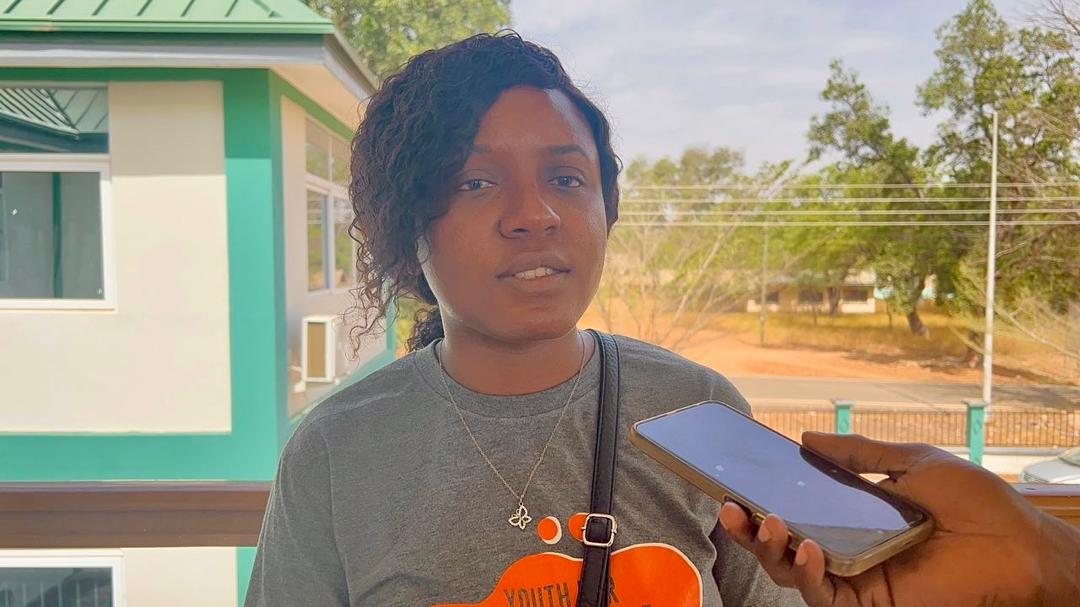
“Our mandate was to train young people within the implementing districts to lead peer-to-peer education for both in-school and out-of-school adolescents and to advocate for youth-friendly services,” she explained.
She noted that MSI Ghana complemented these efforts by improving reproductive health service delivery in health facilities, ensuring that services were accessible, youth-friendly and responsive to adolescents’ needs.
Ms Appea disclosed that sustained engagement with chiefs, traditional leaders, religious leaders and other community stakeholders helped to open up conversations around adolescent reproductive health, an area often constrained by cultural taboos and misconceptions.
“As the project ends, we are focused on sustainability. Funding has ended, but the impact must not end,” she said, adding that youth champions and peer support service providers have been trained to continue supporting health workers, lead education sessions and promote social accountability within their communities.
According to her, the project contributed to a significant reduction in teenage pregnancies and sexually transmitted infections in some implementing districts, including Talensi, a trend reflected in data from the Ghana Health Service. Adolescents are now more confident to walk into health facilities to access services, she added.
The project also supported the establishment of adolescent-friendly corners in health facilities, staffed by trained focal persons with youth-friendly attitudes, creating safe and welcoming spaces for young people.
On challenges, Ms Appea cited deeply entrenched social norms, myths and perceptions around sexuality and menstruation, which initially hindered open discussions. However, she said continuous community engagement and intergenerational dialogues helped to debunk misconceptions and gradually shift attitudes.
In the Upper East Region, the project was implemented in seven districts: Bolgatanga East, Bongo, Binduri, Talensi, Nabdam, Builsa South and Builsa North.
Also addressing participants, the Programmes Manager of Marie Stopes International Ghana, Mr Abukari Abdul Mumin, said the project was designed around three key objectives: creating demand for reproductive health services, providing quality services, and influencing policies to create an enabling environment for young people.

He noted that the project delivered a wide range of services, including family planning, post-abortion care and safe abortion services, helping to prevent unsafe abortions and improve overall reproductive health outcomes among adolescents.
Beyond service delivery, Mr Mumin said the project successfully engaged community, traditional and religious leaders to address harmful social and gender norms that often act as barriers to healthcare access, particularly for girls and young women.
Looking ahead, he expressed confidence in the sustainability of the project’s gains, stressing that strong partnerships with the Ghana Health Service and Ghana Education Service would ensure continuity.
“The project has ended, but the knowledge, systems and capacities built will remain. Sustainability is not in danger because we have empowered those who work daily with young people to continue this work,” he said.
The closeout ceremony brought together stakeholders from the health, education and community sectors to reflect on the project’s achievements, lessons learned and strategies to sustain and scale up its impact beyond the funding period.
Source: A1 Radio | 101.1Mhz | Joshua Asaah | Bolgatanga