
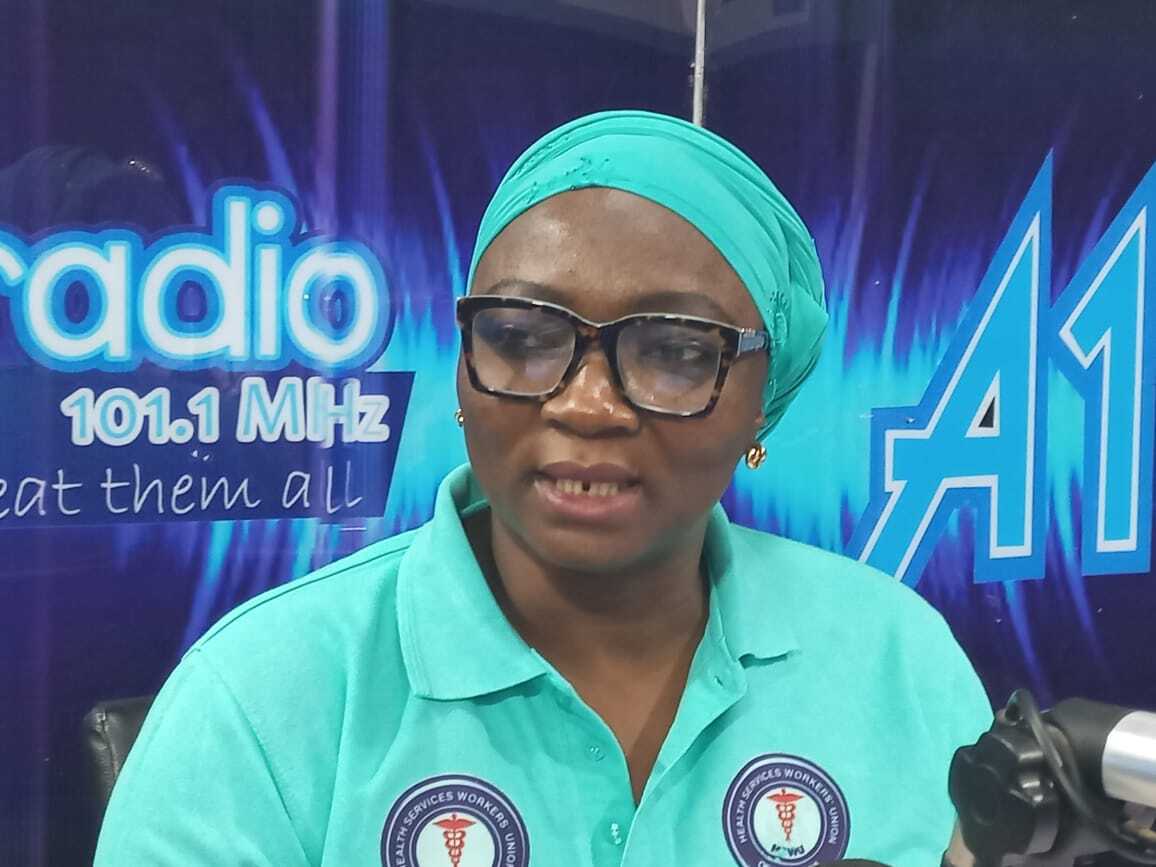
A consultant obstetrician-gynecologist at the Tamale Teaching Hospital, Dr. Hawa Malechi, is warning about the health consequences of contracting the Human Papillomavirus (HPV), including strains considered low risk.
Speaking on A1 Radio’s Day Break Upper East show, Dr. Malechi said that although low-risk HPV types are not linked to cancer, they can still cause serious health problems, including painful and disfiguring warts.
“Abnormal cells in our bodies are supposed to die off as part of the body’s natural healing process,” she explained. “But when this virus attacks, it interferes with that process. The cells do not die; they continue to grow and that leads to problems.”
Dr. Malechi noted that more than 200 types of HPV have been identified and grouped into low-, intermediate- and high-risk categories. She stressed that all types can cause health issues. “The low-risk ones may not cause cancer, but they can cause distressing lesions we call warts,” she said.
While HPV is primarily transmitted through sexual contact, she cautioned that other forms of transmission are possible. She cited contaminated objects — known medically as fomites — including shared sanitary items and facilities, as potential sources of infection.
Dr. Malechi recounted treating an 8-year-old child who developed severe anal warts, which she said were linked to the use of a shared enema device, locally known as a “bentoa.” According to her, the device had been used by multiple household members, increasing the risk of infection. The child also had an underlying medical condition that weakened her immune system, making her more vulnerable.
“So it is not only through sex,” she emphasized.
She added that poor hygiene practices involving shared sanitary items, as well as contaminated toilets and public washrooms, can contribute to the spread of infections.
Dr. Malechi urged the public to remain cautious, practice good hygiene and avoid sharing personal sanitary devices, especially those used internally.
Source: A1 Radio | 101.1 Mhz | Mark Kwasi Ahumah Smith | Bolgatanga