
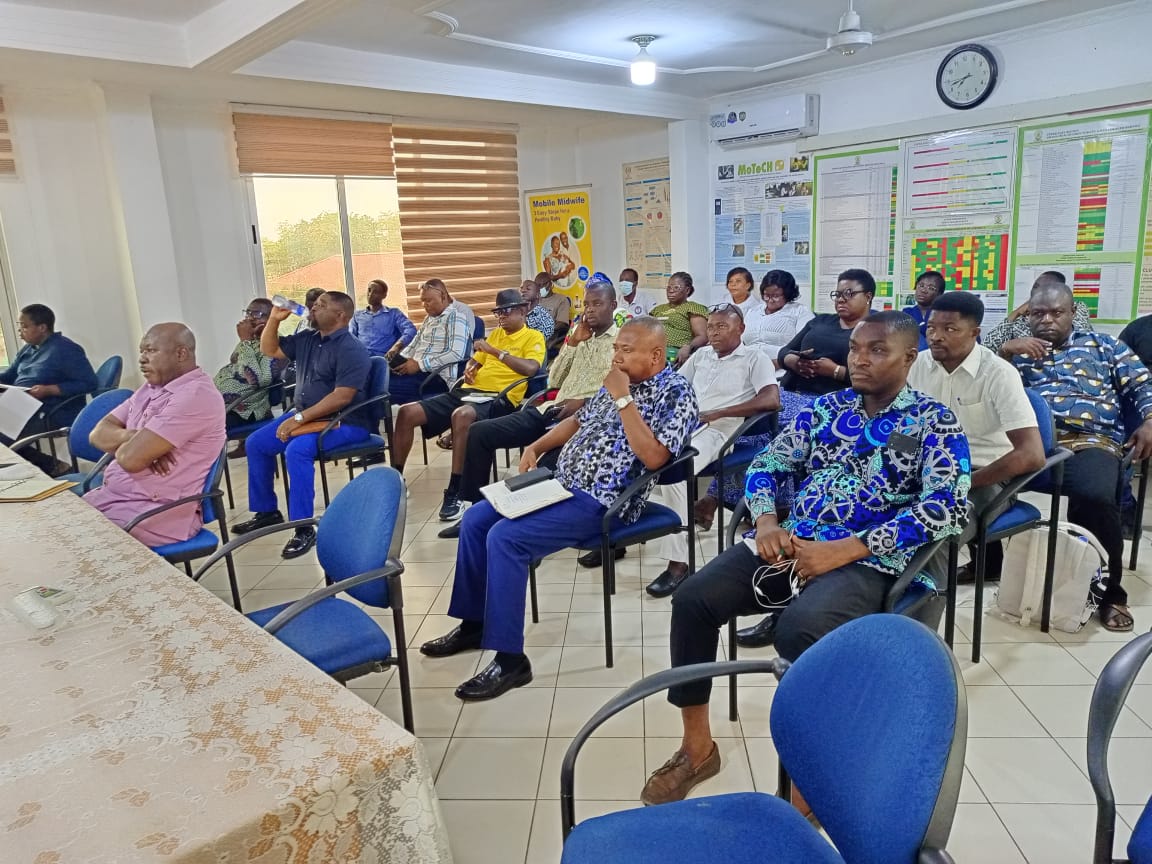
Staff of the Upper East Regional Health Directorate joined their national colleagues on Monday for a virtual orientation following the official launch of the government’s Free Primary Health Care (FPHC) policy.
The initiative was formally launched by President John Dramani Mahama on Wednesday, April 15, at the Shai Osudoku District Hospital in Dodowa, Greater Accra Region.
The regional team, led by the Regional Director of Health Services, Dr Braimah Baba Abubakari, gathered at the Directorate’s conference hall to participate in technical presentations detailing the policy’s framework and implementation strategy.
The FPHC policy is designed to provide comprehensive primary health services to all residents in Ghana, regardless of their financial status.
Health care will be administered through a network of accredited primary care points, including: Community-based Health Planning and Services (CHPS) compounds, Health Centres and Clinics, Polyclinics and other approved primary care service points.
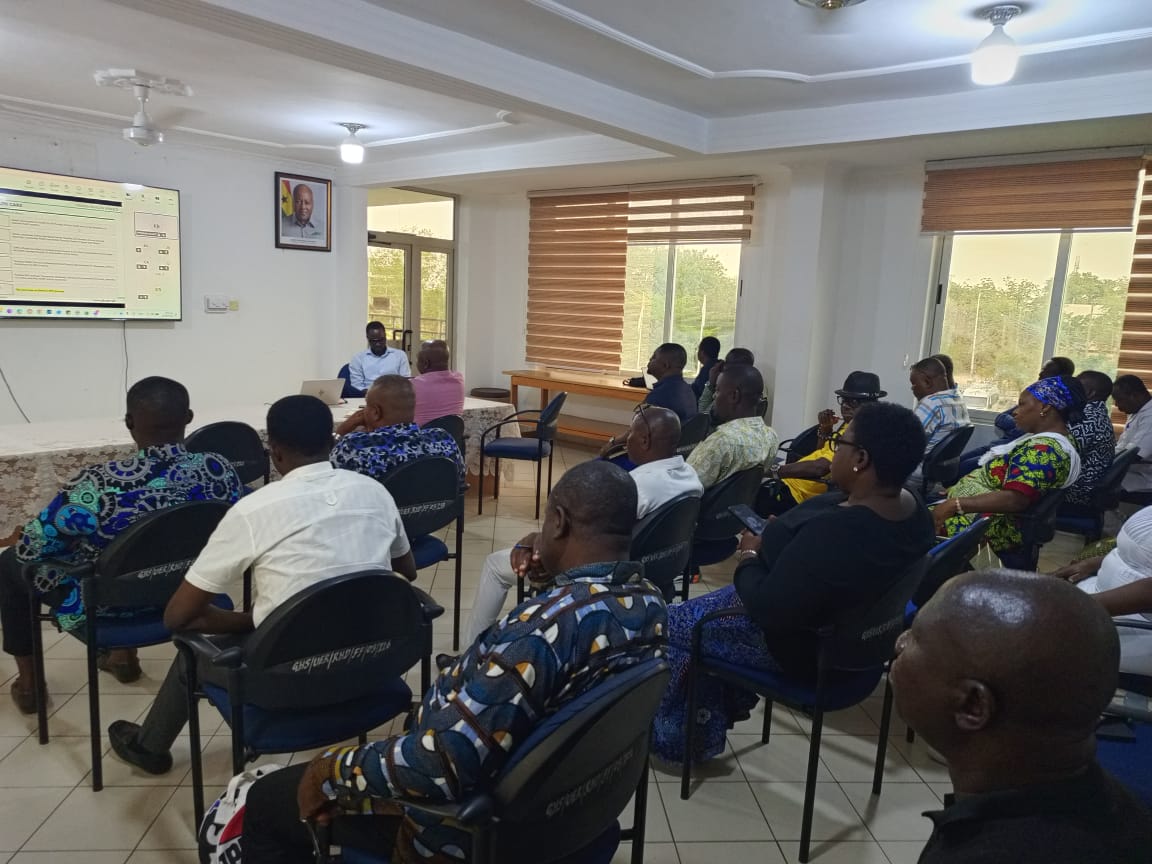
The policy reinforces primary health care as the first point of entry into the national health system.
By strengthening the “gatekeeping” role of local facilities, the policy creates a more organized referral structure that links primary, secondary, and tertiary care.
While higher-level facilities such as regional and teaching hospitals are not the primary focus of this specific policy, they remain vital to the system to ensure continuity of care.
To ensure wide coverage, the FPHC includes services delivered through public, and faith-based facilities, provided they are appropriately credentialed and accredited by the relevant authorities.
Under the policy, a defined package of essential primary health care services, including: health promotion and health education, disease prevention services, maternal, newborn, and child health services, family planning services, basic outpatient clinical care for common conditions, screening and early detection for priority diseases, basic diagnostic services available at primary-level facilities, initial management and referral to a higher level of care.
The primary objective of the FPHC policy is to eliminate the financial barriers that often delay or prevent Ghanaians from seeking medical attention.
The policy is expected to have the greatest impact on vulnerable populations, including: rural communities and underserved areas, low-income households, women, children, and the elderly.
By removing out-of-pocket costs at the primary level, the GHS aims to improve health outcomes and further move the nation closer to achieving Universal Health Coverage (UHC).
Source: PR Unit, Upper East Regional Health Directorate