
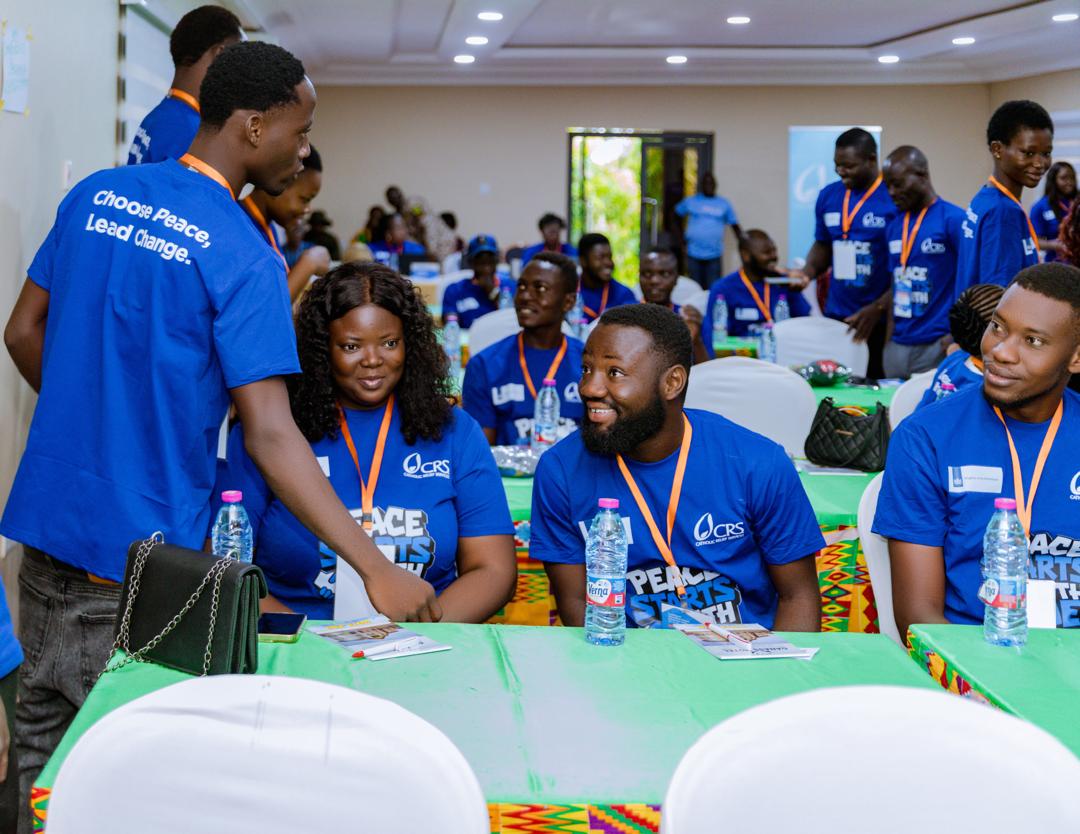
Fifty youth leaders from the Upper East Region have been trained in Preventing Violent Extremism (PVE) in Bolgatanga, as security experts warn of increasing risks of extremist spillover from the Sahel into northern Ghana.
The week-long programme, organised by Catholic Relief Services in collaboration with the National Peace Council, brought together participants from across the region. It focused on peacebuilding, early warning systems, conflict prevention, and community resilience.
The training is part of the Prevention of Violent Extremism through Social Accountability (PoVETSA) project, funded by the Netherlands Ministry of Foreign Affairs and implemented with the Kofi Annan International Peacekeeping Training Centre.
Project Manager for CRS Ghana, Adelaide Yiriyelleh, said young people remain central to preventing violent extremism.
“Young people have the energy and influence to shape the future of their communities. When they are equipped with the right tools, they become a powerful force for peace, resilience, and positive change,” she said.
Her comments come amid rising insecurity in the Sahel, particularly in Burkina Faso, Mali, and Niger, where extremist violence and political instability have heightened fears of cross-border infiltration into countries including Ghana.
Head of the Small Arms Commission in the Upper East Region, Victor Akanbonga, warned that illicit arms trafficking is increasing due to the region’s proximity to conflict zones.
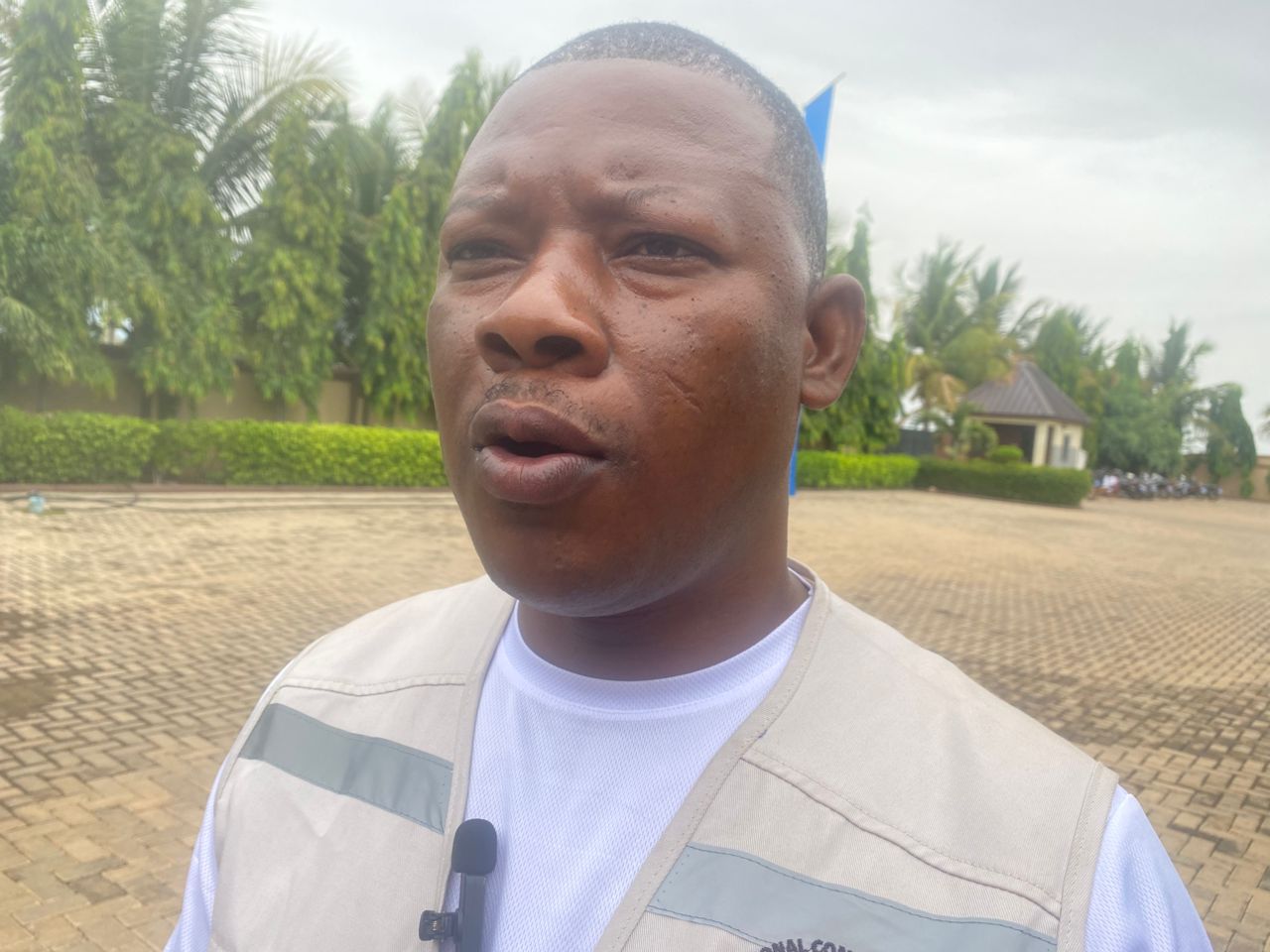
He said Ghana’s northern borders are increasingly exposed as weapons are smuggled through porous entry points.
“Our region is surrounded by countries engaged in violent conflicts. People take advantage of the instability in the Sahel to smuggle arms into Ghana, and that poses a serious threat to the peace of the region,” he said.
Mr. Akanbonga added that many weapons used in local conflicts are believed to originate from neighbouring countries rather than being acquired locally.
He urged residents to support security agencies by reporting illegal arms possession and related criminal activity.
“Never try to hide a person keeping illegal arms. It may not affect you today, but tomorrow it could be your relative who suffers from the consequences,” he cautioned.
At the training, DSI Robert Ubindam, Head of Operations and Intelligence at the Ghana Immigration Service at the Paga Border, described Ghana’s northern borders as highly porous and vulnerable.
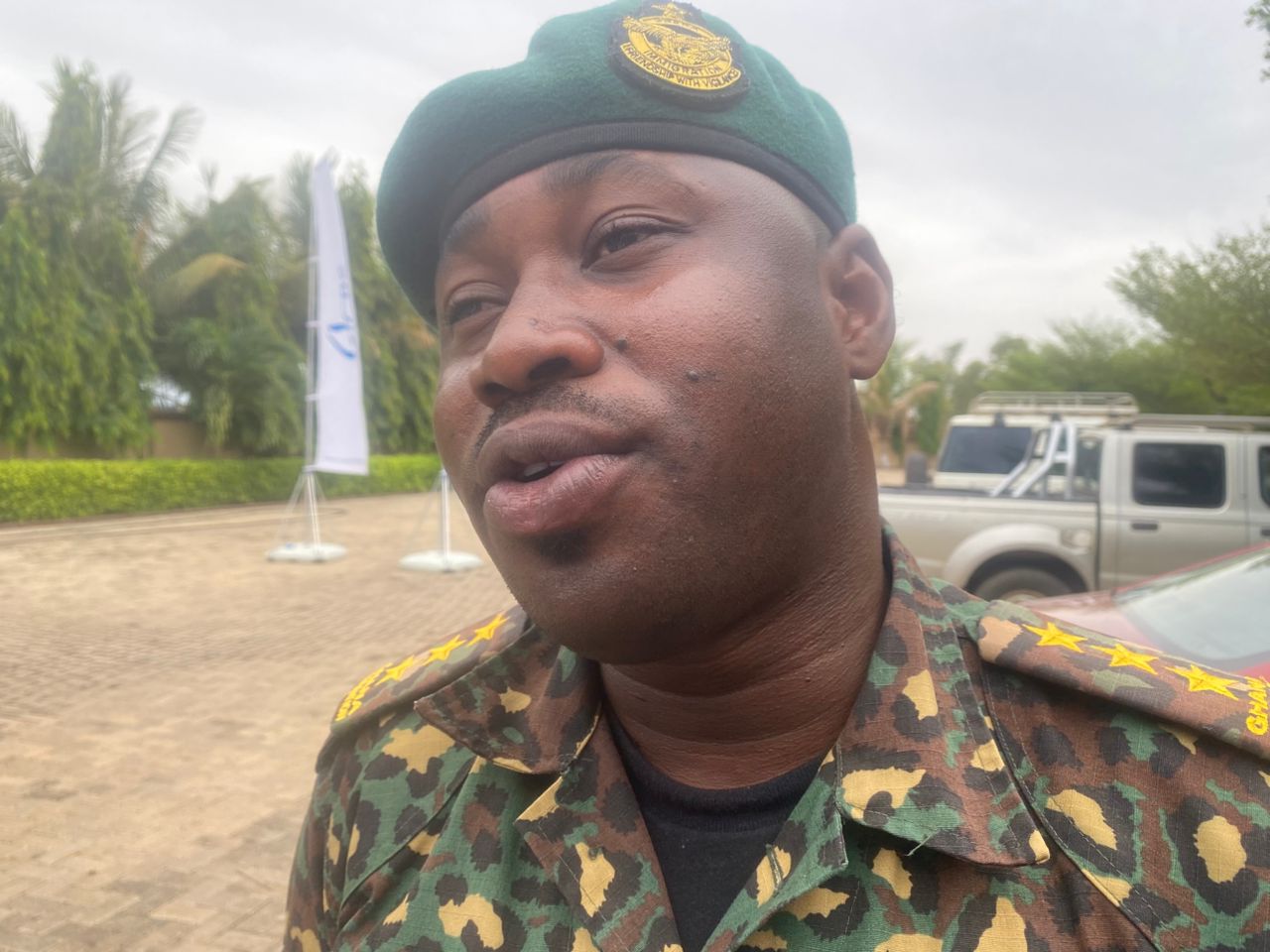
He said multiple unapproved routes between Ghana and Burkina Faso continue to pose security challenges.
“If you have a situation where your land borders stretch over vast areas with several unapproved routes, then anyone with ill intentions can infiltrate the country without detection,” he said.
He warned that extremist groups often target vulnerable youth for recruitment and radicalisation.
“If extremists gain access to vulnerable young people, they can manipulate them into believing that joining such groups is a pathway to a better life, when in reality it only destroys lives and communities,” he said.
He called for stronger collaboration between security agencies, traditional leaders, civil society organisations, and young people to improve intelligence sharing and border security.
Former Upper East Regional Executive Secretary of the National Peace Council, Ali Anankpieng, also stressed the importance of youth involvement in peacebuilding.
“Whether in Bawku, Bolgatanga, Doba, or Kandiga, the youth are central to many of the narratives around conflict. If we want to reduce violence, then engaging the youth is imperative,” he said.
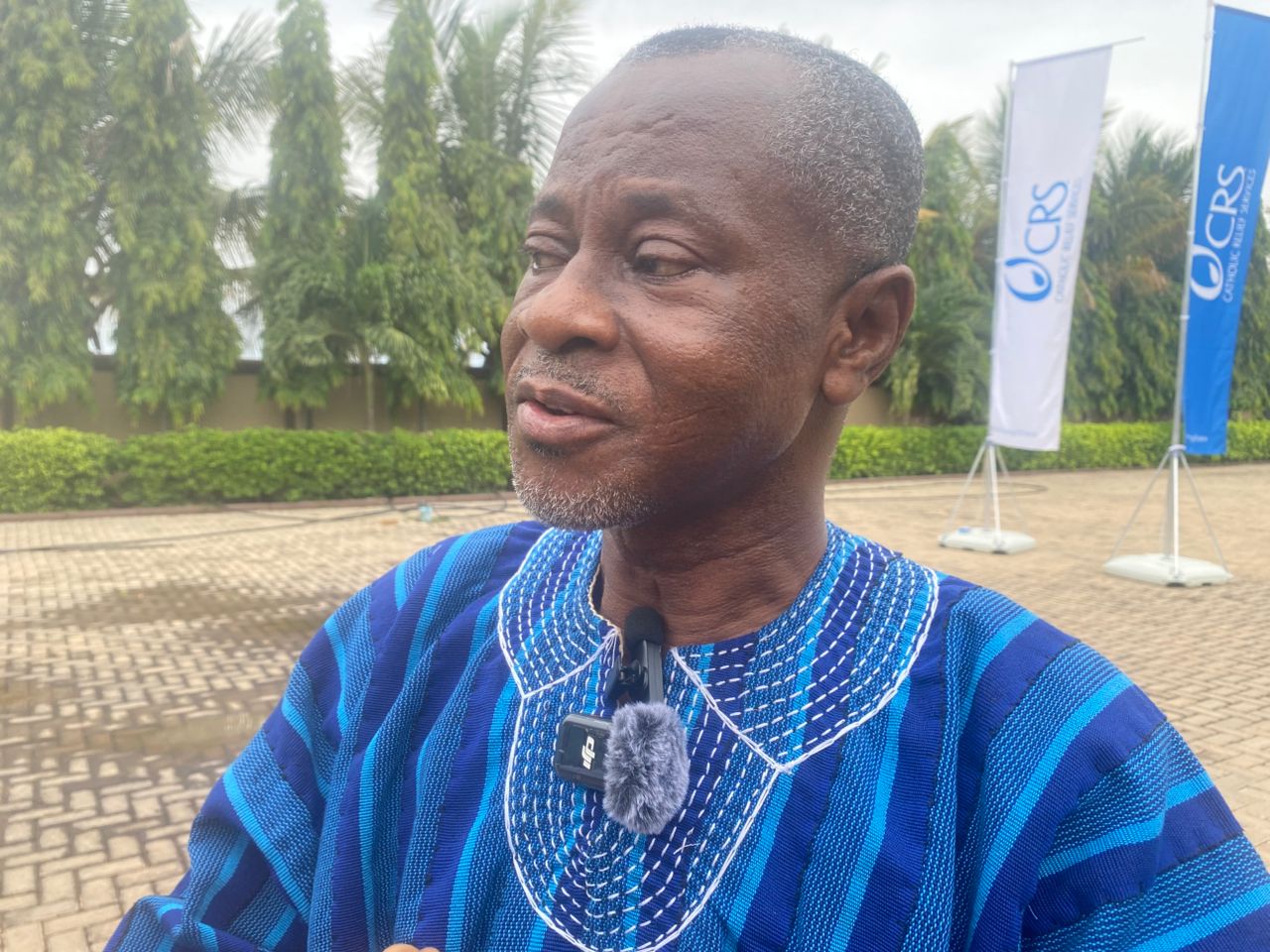
He noted that young people play a key role in early warning systems due to their presence and access to information within communities.
“Most of the intelligence helping security agencies to prevent crime and conflict today is coming from the youth. They see things others may not see,” he said.
Mr. Anankpieng also cautioned against misinformation and extremist propaganda circulating online.
“Not every information shared online is true. Young people must learn to verify information before sharing it because misinformation can fuel violence and division,” he said.
Participants described the training as timely and pledged to promote peace in their communities.
“I am leaving with a commitment to speak against violence and educate other young people in my community so we can promote unity and peace,” one participant, Nihadatu Mohammed, said.
A1 Radio | 101.1 MHz | Samuel Adagom | Bolgatanga