
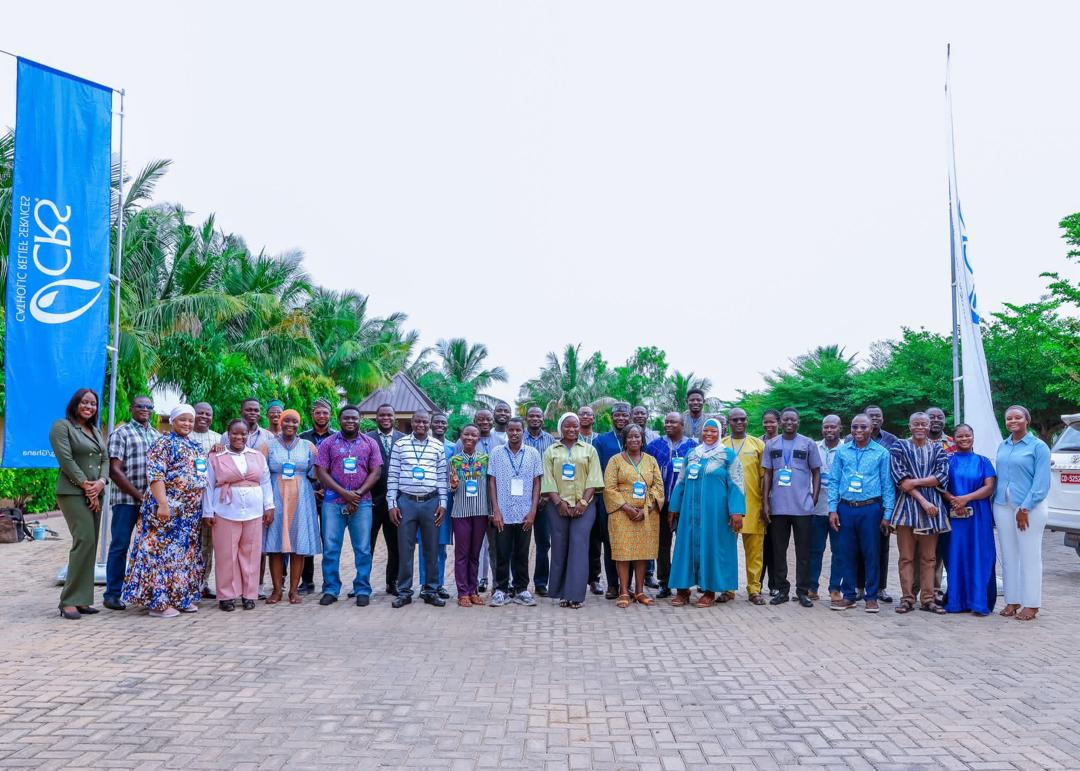
Catholic Relief Services (CRS), in collaboration with the National Peace Council and the West Africa Centre for Counter Extremism, has strengthened the capacity of civil society organizations (CSOs) across Northern Ghana to identify emerging risks, foster social cohesion, and support community-led efforts to prevent violent extremism.
The five-day training, held in Bolgatanga from August 24–28, brought together more than 40 CSO representatives working across diverse sectors in Northern Ghana. The training comes at a critical time as violent extremism continues to threaten peace and stability in neighboring countries and across the Sahel.
Recent research conducted by CRS and the National Peace Council across 30 communities in Ghana’s five northern regions further highlights the need for timely action. The study identified youth unemployment, poverty, limited educational opportunities, substance abuse, and perceptions of weak governance among the key factors increasing communities’ vulnerability to violent extremism. Notably, 86 percent of respondents identified youth unemployment as a major driver of vulnerability.
Against this backdrop, the training provided CSOs with an opportunity to translate evidence into practical prevention efforts. Participants examined the drivers, manifestations, and consequences of violent extremism and explored how local vulnerabilities can be addressed before they are exploited by extremist groups.
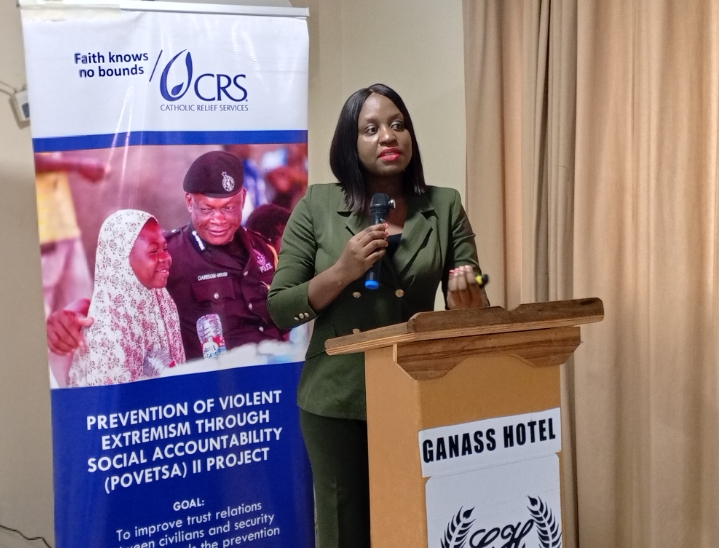
Speaking on behalf of the CRS Country Representative, Ms. Adelaide Yiriyelleh, Project Manager at CRS Ghana, said strengthening local organizations is critical to ensuring that prevention efforts are grounded in community realities.
“Communities are the first line of defense against violent extremism, and CSOs are among the most trusted actors within our communities. Strengthening their capacity to recognize vulnerabilities, engage citizens, and promote peaceful responses to local challenges is critical to building resilient communities that can withstand extremist influences and contribute to lasting peace,” said Ms. Yiriyelleh.
On his part, Mr. Mutaru Mumuni Muqthar, Executive Director of the West Africa Centre for Counter Extremism, emphasized that preventing violent extremism requires a broader approach that goes beyond security responses.
“Violent extremism is driven by a combination of social, economic, political, and governance factors.
Effective prevention requires CSOs and communities to understand these dynamics, engage constructively with stakeholders, and address vulnerabilities before they escalate,” he said.
For participating organizations, the training provided an opportunity not only to build technical capacity but also to strengthen networks and identify areas for collective action. Through practical exercises and peer learning, participants developed action plans to apply their learning within their respective communities and organizations.
As the regional security environment continues to evolve, strengthening the capacity of local actors remains central to protecting Ghana’s peace.
The training forms part of the Prevention of Violent Extremism through Social Accountability (PoVETSA II) project, funded by the Netherlands Ministry of Foreign Affairs and implemented by Catholic Relief Services in collaboration with the National Peace Council and other key stakeholders. The project seeks to strengthen community resilience, promote social accountability, and support locally driven approaches to preventing violent extremism and terrorism in Ghana.
A1Radioonline.com|101.1Mh|Joshua Asaah|Bolgatanga