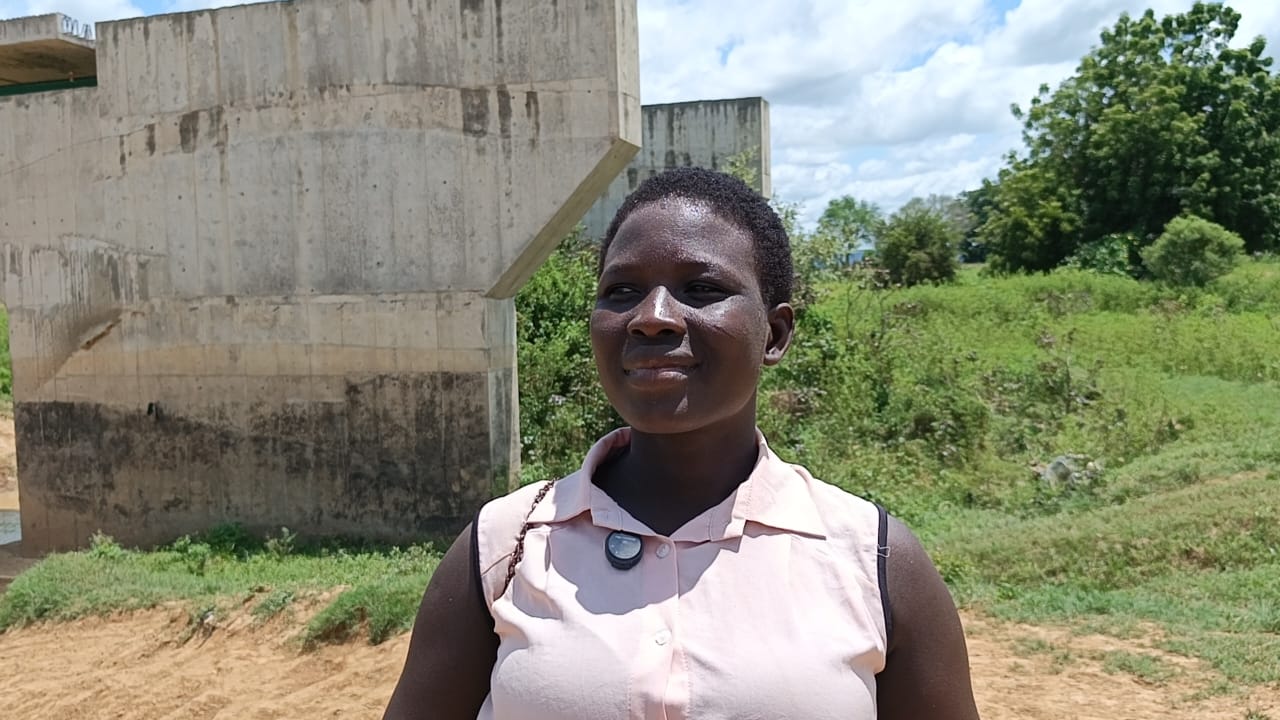
For Vida Dawuni, getting her children to school should be a short journey from their home at Gambibgo-Kumbangre in the Bolgatanga East District.
But when the rains come, the most direct route becomes difficult to use.
Instead, she says, she has to travel with her children through Zuarungu, join the Bolgatanga Bawku road and then make their way back towards the school.
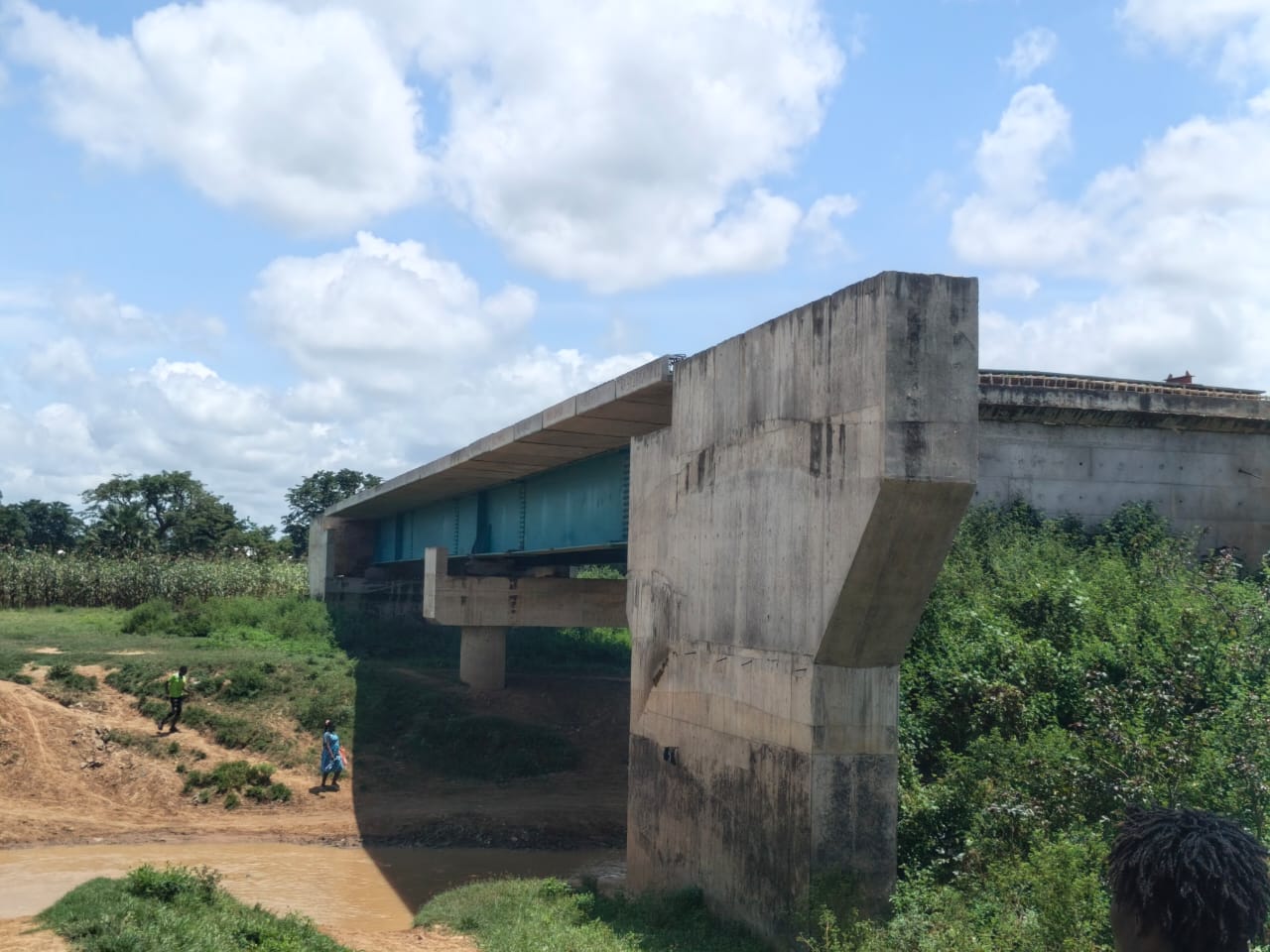
The school itself is not far from their home. The problem is what stands between them and it: an unfinished bridge across a river that residents say has disrupted movement in the area for years.
“Because of this, I have to take my children through Zuarungu before joining the Bolgatanga-Bawku Road, and then travel back to their school, even though the school is actually not far from our home,” Ms Dawuni said.
“What should be a short journey becomes much longer and more difficult, especially during the rainy season.”
For residents of Gambibgo-Kumbangre, the unfinished bridge is more than an abandoned construction project. It sits on a route they depend on to reach schools, healthcare facilities, markets, farms and neighbouring communities.
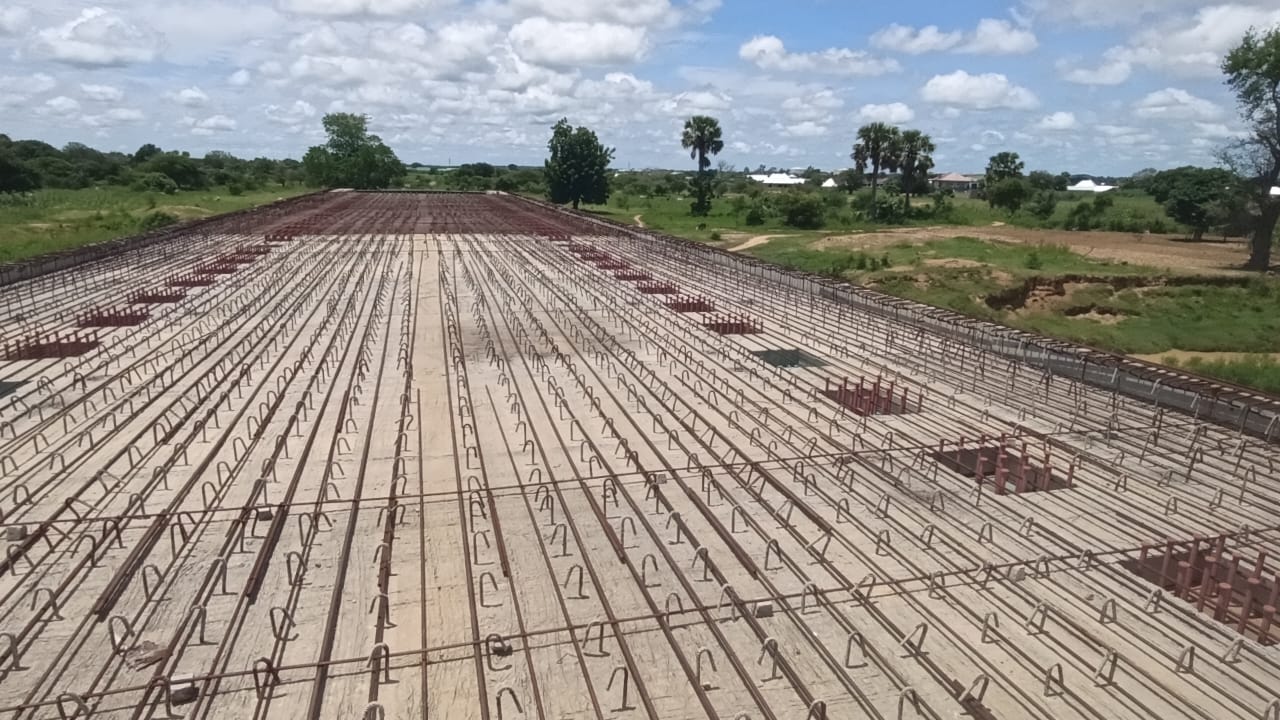
During the dry season, crossing can still be difficult. But residents say the danger increases considerably when the rains arrive and the river rises.
Some residents have resorted to placing pieces of wood around the unfinished structure to help them climb across. A slip could send a person into the water or onto the rocks below.
Residents say people have suffered injuries while attempting to cross. They also claim lives have been lost at the river when water levels were high, although A1 Radio has not independently established the circumstances of the reported deaths.
Ms Dawuni remembers when work was underway on the bridge. Then, she says, construction stopped.
“The bridge has been abandoned. They started constructing it, but they stopped work a long time ago,” she said.
For her, the consequences are felt most during the rainy season.
“Whenever it rains, I cannot use the road because the river floods and becomes impossible to cross. This makes it very difficult for us to access the road and travel to other places,” she said.
The alternative is the lengthy detour through Zuarungu.
It means a journey that should take relatively little time requires more travelling, particularly when she is taking her children to school.
She wants the authorities to return to the site and finish what was started.
“We are appealing to the authorities to come back and complete the bridge so that we can use the road safely and our children can get to school without these unnecessary difficulties,” she said.
But schoolchildren are not the only people affected.
For farmers whose fields lie across the river, the unfinished bridge can stand between them and their livelihoods.
A commuter who identified himself only as Ayariga said reaching his farm becomes particularly difficult when the river rises.
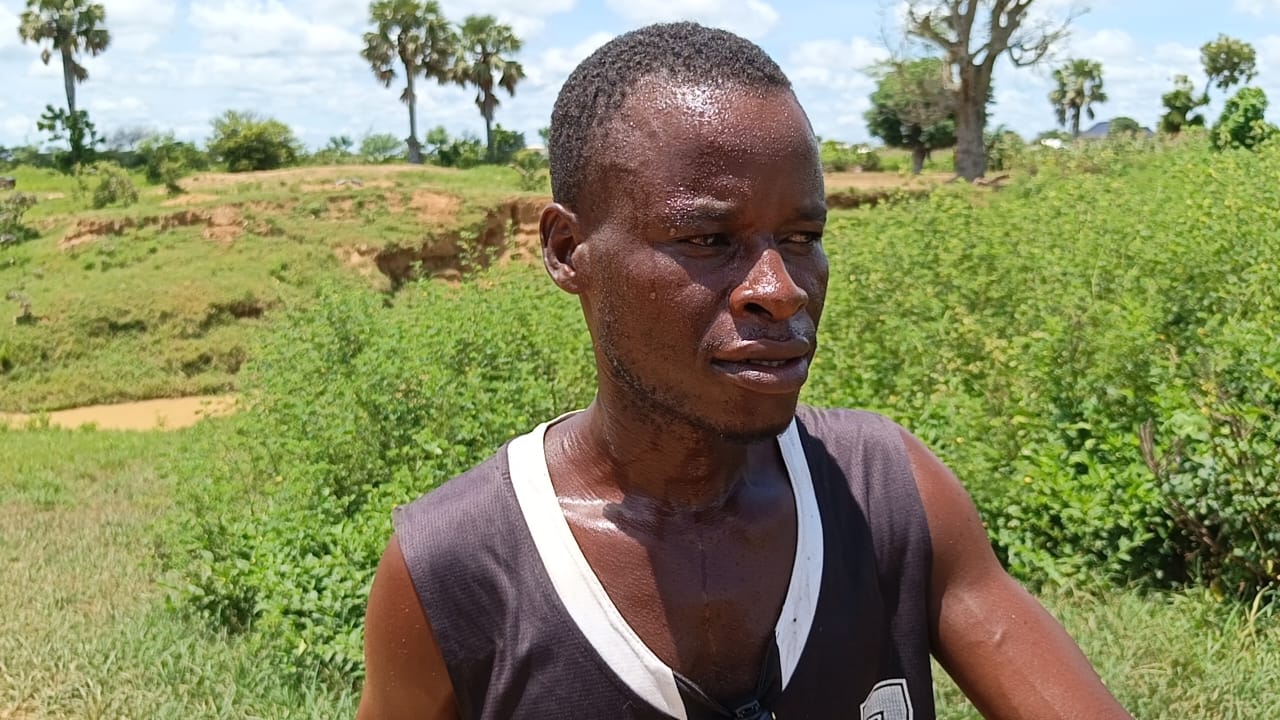
Sometimes, he said, farmers carrying produce have to balance their loads on their heads while negotiating pieces of wood placed around the unfinished bridge.
“When it rains, it becomes very difficult for me to cross to my farm. Sometimes I have to carry what I have on my head and use the wood they have placed there as a ladder to climb the bridge,” he said.
It is a journey that requires care.
“It is very risky because if you make a small mistake, you can fall into the water,” Ayariga said.
And the problem does not disappear immediately when the rains stop.
He said rocks and water around the crossing continue to make it difficult, particularly for someone unfamiliar with the area.
“Even if it has not rained for some days, it is still difficult to cross because there are rocks inside the water. If you do not know the place well, you can easily fall,” he said.
For people carrying farm produce, the difficulty is compounded by the need to maintain their balance while navigating the crossing.
The alternative is to find another route, adding time and distance to journeys that residents say should otherwise be straightforward.
So why has the bridge remained unfinished?
Assembly Member for the area, Mahamudu Bukari Alhaji, said work on the project began in 2019.
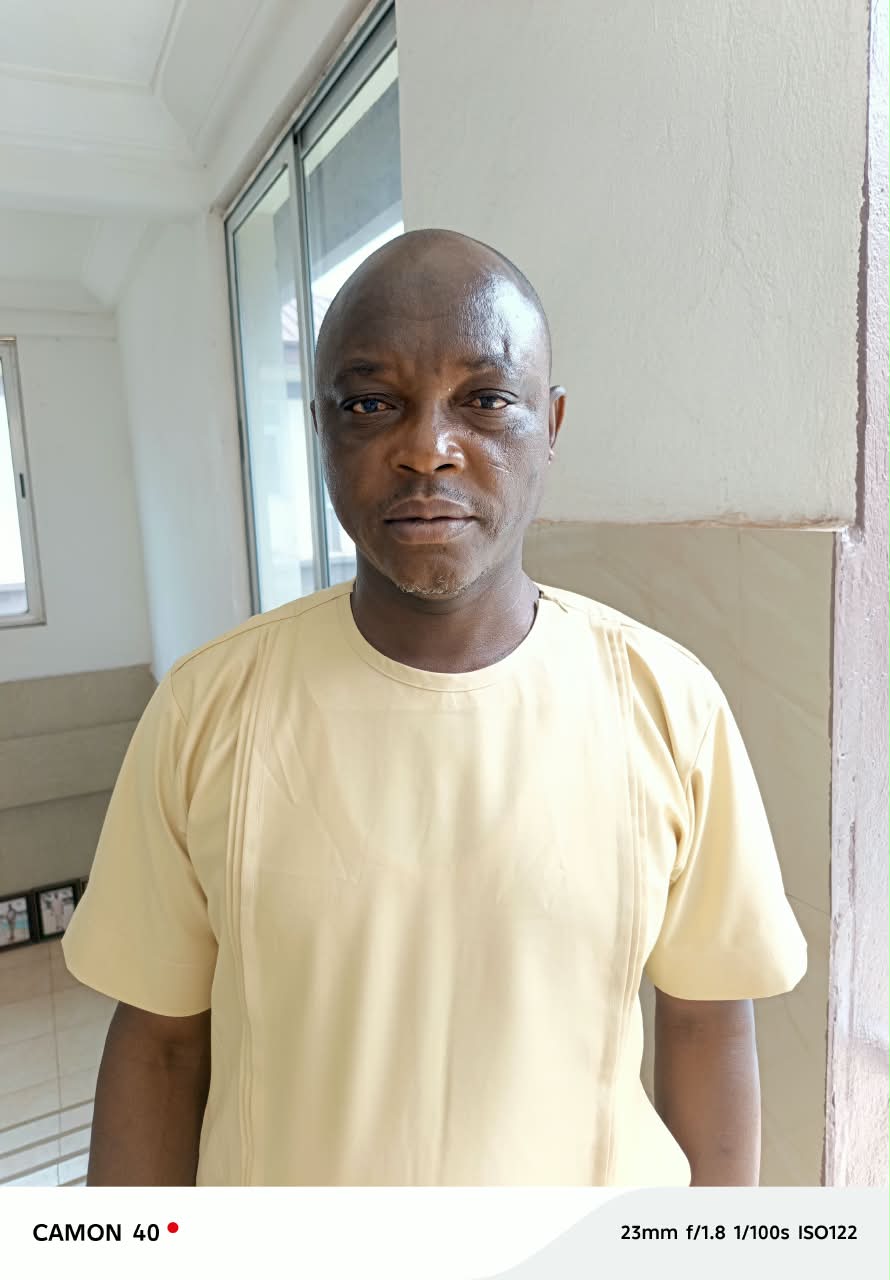
According to him, the contractor told him that payments for work already undertaken had not been made, eventually leaving the contractor unable to continue financing construction.
“The contractor told me that the government has not paid him since he started working on the bridge in 2019,” Mr Mahamudu said.
“Because he was not being paid, he could not continue funding the project, so he stopped the work.”
A1 Radio has not independently verified the contractor’s payment status.
Mr Mahamudu said he had also received no indication that the contractor would return before the outstanding payment issue was resolved.
“As it stands now, there is no sign that the contractor will come back to the site until he is paid,” he said.
The bridge is not the only incomplete infrastructure project affecting movement in the area.
Mr Mahamudu said work on the Gambibgo road, which connects the area to the Bolgatanga Bawku road, also stalled around the same period.
He stressed, however, that the road and bridge were awarded to different contractors.
According to him, efforts are underway to have the Gambibgo road project awarded to another contractor to continue the work. There is less certainty about the bridge.
“The Gambibgo Road project is in the process of being awarded to another contractor, but I cannot say the same for the bridge because the contractor is still waiting for payment,” he said.
Another reminder of the unfinished project remains at the construction site: cement supplied for the work.
Mr Mahamudu said the cement was supplied separately from the bridge construction contract, explaining why it remained at the site even after the contractor stopped work.
“The supplier of the cement is different from the contractor constructing the bridge. That is why the cement is still there,” he said.
According to him, some of the cement has remained unused for so long that it has deteriorated.
Meanwhile, residents continue to negotiate the river.
For Ms Dawuni, that can mean taking her children on a detour to reach a school close to their home.
For Ayariga and other farmers, it can mean navigating an improvised crossing while carrying produce or travelling to their farms.
And when the rains are heavy enough, residents say the route can become impassable altogether.
A completed bridge would reconnect more than two sides of a river.
For residents, it would mean easier access to farms and markets, a shorter journey to school and a safer route to healthcare facilities and neighbouring communities.
It could also remove the need for people to climb across the unfinished structure using pieces of wood or make lengthy detours when the river rises.
But seven years after the project began in 2019, residents say they still do not know when construction will resume.
They are now appealing to the government, the Member of Parliament and the Bolgatanga East District Assembly to intervene and get the project completed.
Their concern is particularly urgent as each rainy season brings the same problem back: rising water, a difficult crossing and longer journeys around a bridge that was supposed to make movement easier.
For Ms Dawuni, the request is straightforward.
“We are appealing to the authorities to come back and complete the bridge so that we can use the road safely and our children can get to school without these unnecessary difficulties.”
For a community that has spent years finding ways around an unfinished bridge, completing it would turn what has become a difficult and sometimes dangerous journey back into the short trip residents say it was always supposed to be.
A1 Radio | 101.1 MHz | Mary Atiamah Aperika | Bolgatanga