
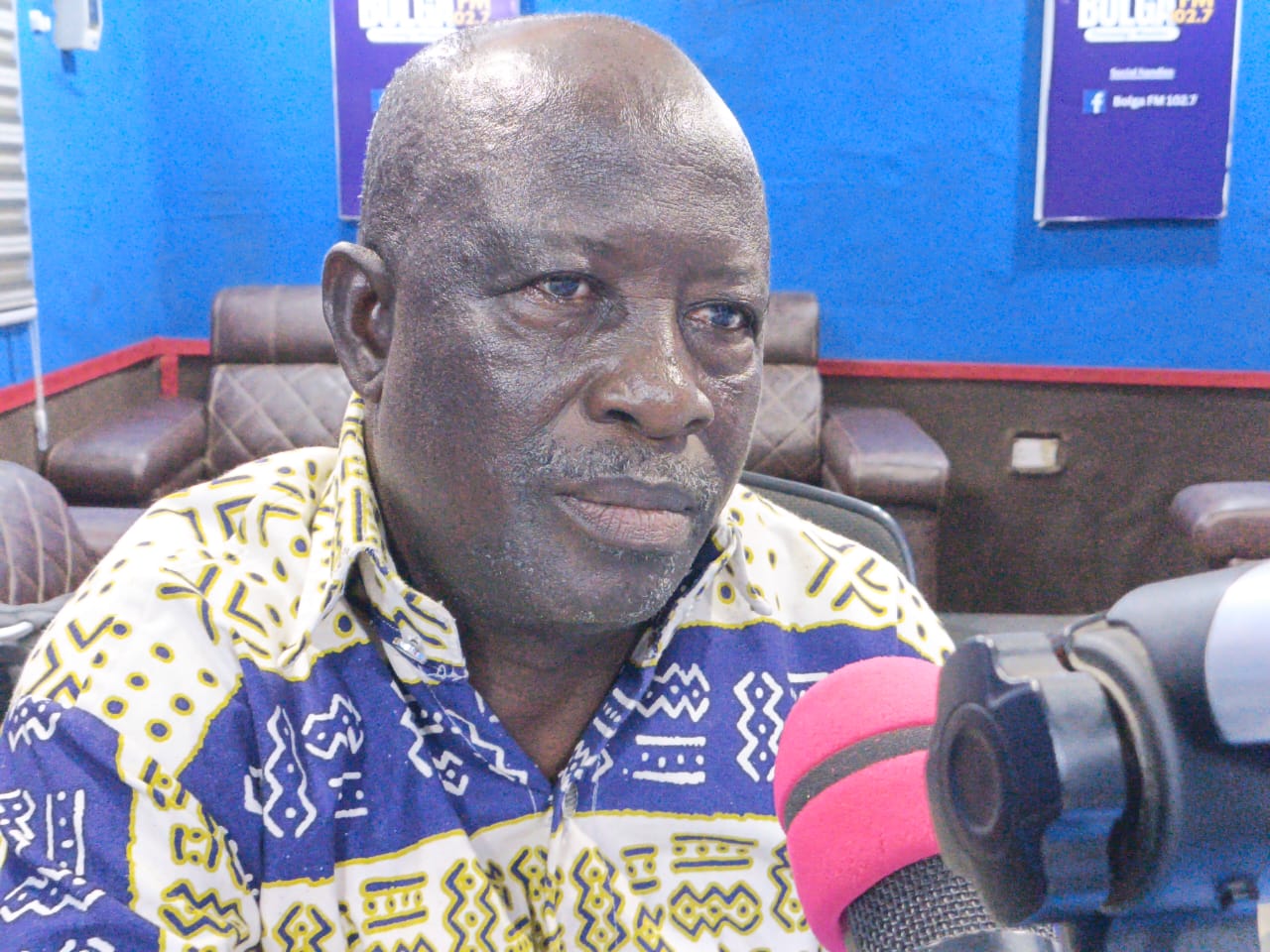
The Upper East Regional Secretary of the Ghana National Association of Teachers (GNAT), Lare Kitonname, has called on the government to implement outstanding benefits and commitments to teachers, saying prolonged delays are affecting their welfare.
Mr Kitonname said teachers continued to fulfil their obligations to the state and expected the government to honour agreements and commitments made to them.
“We pay taxes from our salaries every month, and we do not have a problem with that because it is our civic responsibility. What we are asking is simple: give us what is due to us and fulfil your promises,” he said.
Speaking on Bolga FM’s Timaaga Sanga programme, the GNAT Regional Secretary said delays in implementing payments and conditions of service were particularly concerning because rising living costs reduced the value of money owed to teachers.
“If payments are delayed until September, that money is no longer worth what it was when it was due. The cost of living has gone up, and teachers are the ones suffering the consequences,” he said.
Mr Kitonname said the delays were placing additional pressure on teachers who have families and other financial responsibilities.
“Most teachers have children and families to take care of. They are finding it difficult to meet their daily needs because what is owed to them has still not been implemented,” he said.
He called for continued engagement between the government and teacher unions to resolve outstanding issues before they result in disruptions to teaching and learning.
Mr Kitonname said teachers would prefer to remain in the classroom, but government also had a responsibility to address concerns raised by educators.
“Nobody wants to stay at home. We want to be in the classroom doing our work, but government must also do what is expected of it,” he said.
Reflecting on his experience as a secondary school student in the early 1990s, Mr Kitonname recalled how a prolonged teachers’ strike disrupted education and affected students.
“I was in Form Three in the early 1990s when teachers went on strike. It took a long time before they returned, and the effects were felt by many students. We should not allow history to repeat itself,” he said.
He argued that prolonged disruption to education could have consequences beyond the classroom by limiting opportunities available to young people.
“When a brilliant child is unable to progress in school, society pays the price. Education is an investment in the future, and we must protect it,” he said.
Mr Kitonname maintained that teachers were not demanding preferential treatment but wanted commitments made to them to be fulfilled.
“Teachers are not asking for favours. We are asking for what we have earned through our service to this country,” he said.
He therefore urged the government to prioritise engagement with teacher unions and address outstanding commitments to prevent unresolved labour concerns from affecting teaching and learning.
A1 Radio | 101.1 MHz | Mary Atiamah Aperika | Bolgatanga