
Sixty women died from pregnancy-related complications in the Upper East Region in 2025, as the region recorded a rise in its institutional maternal mortality ratio from 97.1 to 132.43 deaths per 100,000 live births.
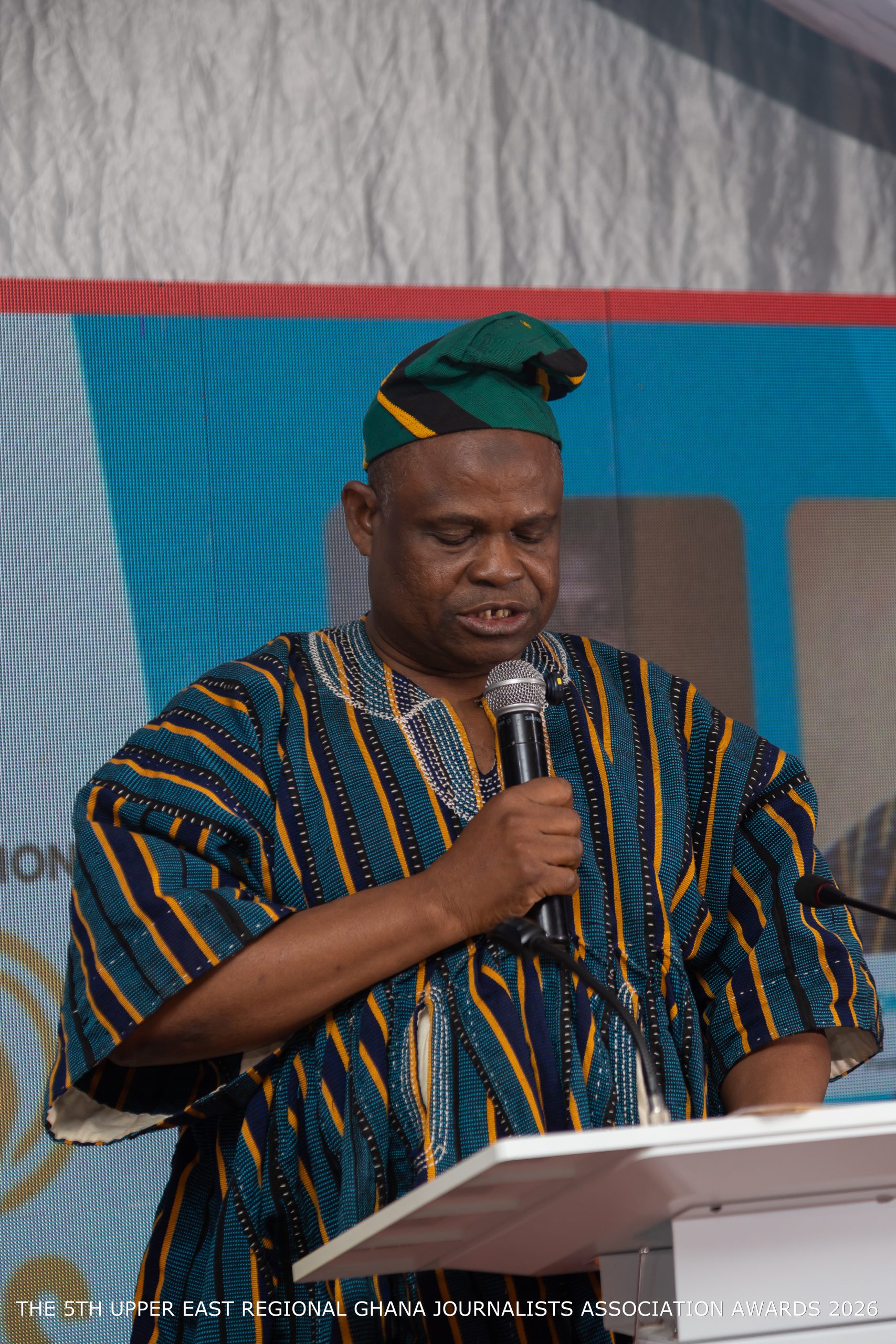
The Regional Director of Health Service, Dr Braimah Baba Abubakari, disclosed this at the 5th Upper East Regional GJA Awards Night in Bolgatanga, where he called for stronger attention to water, sanitation and hygiene (WASH) as part of efforts to improve maternal and child health outcomes.
The awards were held under the theme: “Beyond the Headlines: The Media’s Role in Promoting Water, Sanitation and Hygiene (WASH) for Safe Motherhood and Quality Health Care.”
According to Dr Abubakari, sepsis or infection accounted for 10 percent of maternal deaths in the region in 2025, making it the fourth leading cause of maternal deaths.
He said the figure emphasised the need to treat WASH as an integral part of healthcare delivery, particularly in health facilities where mothers and newborns are most vulnerable to infections.
“A health facility without water, sanitation and hygiene cannot deliver quality care, irrespective of how many doctors, midwives and drugs it has,” Dr. Abubakari said.
He explained that safe childbirth requires health workers to wash their hands before and after examinations, properly clean and sterilise instruments and maintain hygienic delivery environments.
He said where access to clean water and sanitation was inadequate, the risk of infections could increase, with potentially serious consequences for mothers and newborns.
Dr. Abubakari said all health facilities in the region had access to potable water either through Ghana Water Company Limited or boreholes, but the flow was erratic in some facilities.
He added that all health facilities had some form of hand-hygiene facility, although gaps remained in sanitation and waste management.
Less than 10 percent of health facilities, he said, had multipurpose incinerators, with the majority relying on open burning and burying waste in the ground.
The Regional Director said the region’s challenges were compounded by seasonal water scarcity, malfunctioning boreholes and inadequate or poorly maintained sanitation facilities in some communities.
He also cited persistent open defecation and poor adherence to handwashing at critical times as issues requiring sustained attention.
The region recorded a 78.86 percent skilled delivery rate in 2025, according to the Regional Director.
He said the maternal mortality ratio of 132.43 deaths per 100,000 live births in 2025 represented an increase from 97.1 deaths per 100,000 live births in 2024.
Among other health indicators, the region recorded 4,440 cases of acute watery diarrhoea among children under five during the year.
The hospital-acquired endometritis infection rate was 0.03 percent, while neonatal sepsis stood at 0.21 percent and surgical site infections at 0.01 percent.
Dr. Abubakari said the figures demonstrated the need for sustained investment in infection prevention, water supply, sanitation and hygiene alongside conventional healthcare interventions.
The Regional Director urged journalists to move beyond reporting statistics and follow up on the underlying conditions contributing to health outcomes.
He asked the media to investigate whether promised boreholes were constructed, whether water and sanitation budgets were used as intended, and whether facilities had functional toilets and reliable water systems.
“Do not visit a facility once and move on. Return after a season and ask whether the promised borehole was drilled, whether the budget line was spent, whether the toilet block is being used. Follow-up is where accountability lives,” he said.
He also urged journalists to report solutions and successful interventions alongside challenges, arguing that communities and health facilities that improve WASH outcomes could provide useful examples for others.
Dr Abubakari said the health sector would continue working with the Regional Coordinating Council, District Assemblies, development partners and NGOs, including WaterAid and Catholic Relief Services, to strengthen WASH in health facilities.
He called on government, traditional authorities, development partners, health professionals and citizens to make WASH a shared responsibility.
The 5th Upper East Regional GJA Awards also recognised journalists for their contribution to journalism in the region.
Moses Apiah of A1 Radio emerged Journalist of the Year, while Gladys Apuweni of GBC-URA Radio won Female Journalist of the Year. David Azure of A1 Radio was also honoured as Most Promising Journalist of the Year.
The awards were sponsored by Lesken Enterprise Limited, Myturn Limited and KacStone Records as headline sponsors, with Paga Youth Movement and NorthLite Solar as main sponsors.
Category sponsors included ActionAid Ghana, Afrikids Ghana, NABOCADO, Endswell Pharmacy and MTN, while partners included Alaffia, WaterAid Ghana, Widows and Orphans Movement, Ghana Tourism Authority, Ghana Hotels Association–Upper East Region, AquaBolg Natural Water and other individuals.
A1Radio | 101.1Mhz | Joshua Asaah