

The Catholic Bishop of the Navrongo-Bolgatanga Diocese, Most Rev. Alfred Agyenta, has warned that food insecurity, the use of agrochemicals and pollution from illegal mining could undermine efforts to improve public health, particularly in the Upper East Region.
He said the benefits of clinical nutrition and modern healthcare would remain limited if people lacked access to sufficient food or if the safety and nutritional quality of what they consumed were compromised.
The Bishop therefore called for stronger collaboration between the health and agricultural sectors to address challenges affecting food production, availability and consumption.
“Food security is still a challenge in many places, including our own region,” he said, citing the Upper East Region’s short rainy season as a constraint on agricultural production.
Most Rev. Agyenta made the remarks while chairing the 21st National Conference of the Catholic Health Service Trust-Ghana (CHST), held in Bolgatanga from October 13 to 16, 2026.
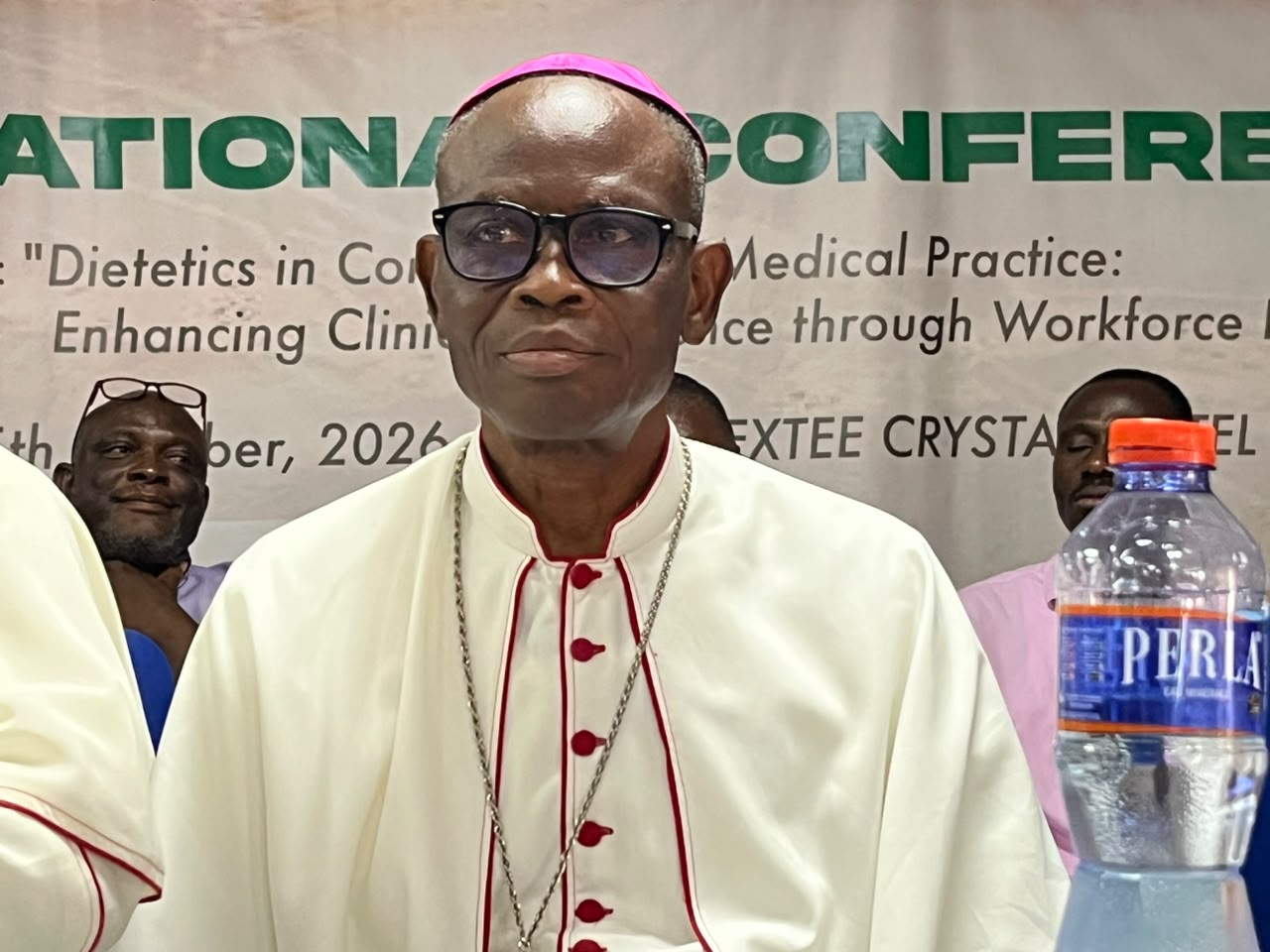
The conference was held under the theme, “Dietetics in Contemporary Medical Practice: Enhancing Clinical Excellence through Workforce Development.”
The Bishop explained that while nutrition played a critical role in disease prevention, treatment and recovery, its benefits depended largely on people’s ability to access safe and nutritious food.
He expressed concern about the use of agrochemicals in food production, stressing that efforts to increase agricultural yields must also consider food safety and the long-term health of consumers.
According to him, agricultural development should not focus solely on producing more food but must also promote farming practices that protect the environment and support healthy living.
He said the Catholic Diocese, through its development office, NABOCADO, was promoting sustainable and environmentally friendly agricultural practices to help communities improve food security.
Most Rev. Agyenta also raised concerns about pollution associated with illegal mining, popularly known as galamsey, particularly its potential effects on water bodies and food safety.
He urged health professionals, agricultural institutions and policymakers to pay greater attention to the relationship between environmental degradation, food production and public health.
The Bishop cautioned that discussions about the importance of nutrition in healthcare would achieve little if communities continued to struggle to obtain sufficient, safe and nutritious food.
He therefore called for coordinated efforts to address food insecurity, promote sustainable agriculture and protect natural resources.
Meanwhile, the Upper East Regional Minister, Donatus Akamugri Atanga, has called for stronger nutrition education in schools, homes and communities to address unhealthy dietary habits and reduce the risk of chronic diseases.
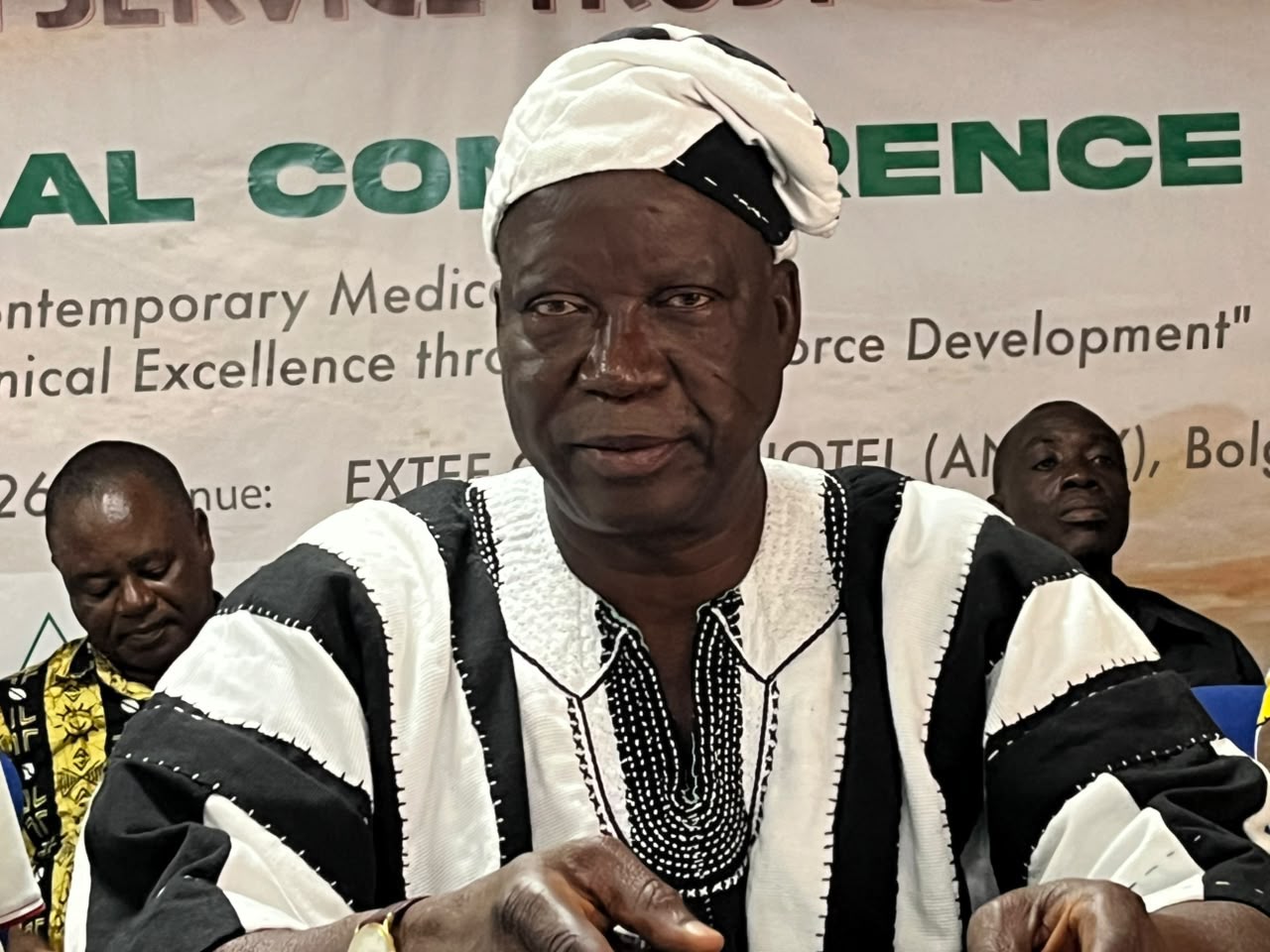
He expressed concern about the consumption of sugary drinks, highly processed foods and diets containing excessive salt and unhealthy fats, as well as physical inactivity, particularly among young people.
According to him, these lifestyle factors could increase the risk of obesity and other non-communicable diseases.
Mr Atanga said quality healthcare must go beyond diagnosing illnesses and prescribing medication to include appropriate nutritional care for disease prevention, treatment and recovery.
He stressed the need for a competent and adequately supported dietetics workforce, backed by continuous professional development, research and collaboration among healthcare practitioners.
The Regional Minister also urged stakeholders to ensure that the Upper East Region’s agricultural potential translated into better nutrition and improved health outcomes for households.
He said increased agricultural production must be accompanied by efforts to promote healthy eating habits and improve access to nutritious food.
Mr Atanga noted that the region’s development framework, PEARL 2026–2035, which focuses on Prosperity through Enterprise, Agriculture, Resilience and Livelihood, recognised the importance of a healthy population to sustainable development.
He appealed to government institutions, healthcare providers, development partners, traditional authorities and private-sector organisations to support initiatives that strengthen nutrition education and improve healthcare delivery.
For his part, the Director of the Catholic Health Service Trust-Ghana, George A. Adjei, urged healthcare professionals to give greater attention to the role of dietetics in improving patient outcomes.
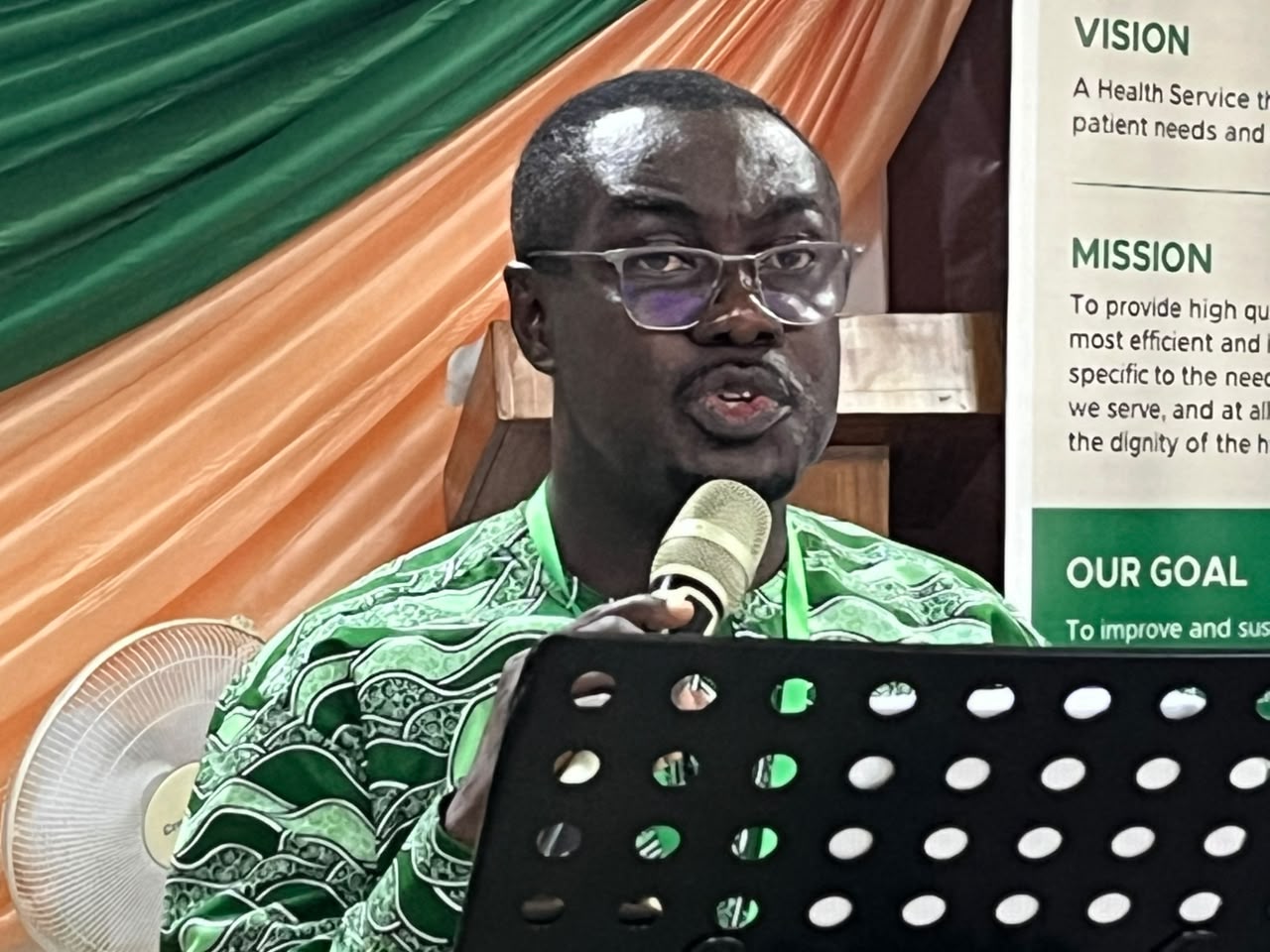
He said the conference provided an opportunity for health practitioners, institutional leaders and training institutions to examine how workforce development could strengthen clinical nutrition and patient-centred care.
Mr Adjei encouraged healthcare providers to complement hospital-based treatment with public education and preventive healthcare, taking into account the social and environmental conditions that influence people’s health.
He also called for continued collaboration and support for the Catholic Health Service Trust’s work in healthcare delivery, particularly in underserved communities.
The Catholic Health Service Trust-Ghana is a Catholic Church-owned, not-for-profit health service that supports healthcare delivery through a network of health facilities and institutions across the country.
The four-day conference brought together healthcare professionals, institutional leaders and representatives of training institutions to discuss the role of dietetics in contemporary medical practice and the importance of developing the health workforce.
A1 Radio | 101.1 MHz | Bolgatanga