World Vision Ghana has called for Water, Sanitation and Hygiene (WASH) activities to be deliberately integrated into development planning, public health systems, educational institutions and local governance structures, backed by clear accountability mechanisms to ensure sustainable results.
The organisation says awareness creation alone is insufficient to improve hygiene practices if communities, schools and healthcare facilities lack reliable access to safe water, soap, sanitation infrastructure and functional handwashing facilities.
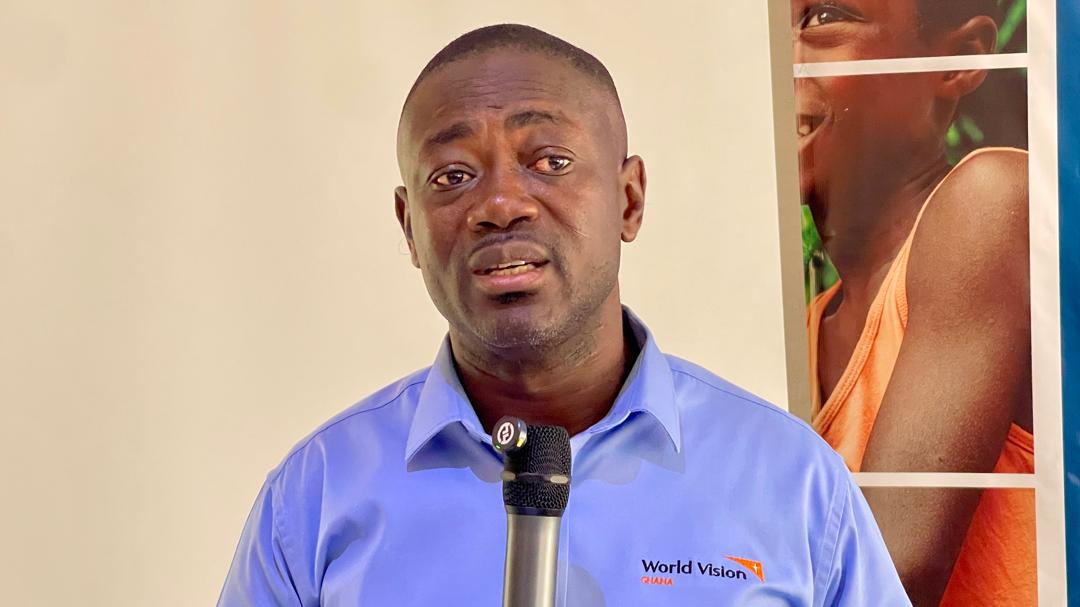
Interim National Director of World Vision Ghana, Joshua Baidoo, made the call at the 2026 Regional Hand Hygiene and WASH Leadership Summit held at the Ganass Hotel in Bolgatanga on Thursday, October 29, as part of activities marking Global Handwashing Day.
He said handwashing with soap was one of the simplest and most cost-effective public health interventions, capable of preventing diseases, reducing child mortality, improving school attendance and protecting healthcare facilities and the environment.
However, he observed that millions of people across Africa, including households in Ghana, continued to lack basic handwashing facilities, reliable water services and adequate sanitation infrastructure.
Mr. Baidoo stressed that for many children, the inability to practise proper hand hygiene was not necessarily due to a lack of awareness but the absence of water, soap, facilities and the systems needed to sustain the practice.
He therefore urged stakeholders to move beyond awareness campaigns and prioritise sustainable investments, stronger policy implementation and practical interventions.
He identified three critical areas for action: strengthening leadership, policy implementation and accountability; increasing sustainable financing and investment in hygiene; and promoting climate-resilient and innovative WASH solutions.
He also called for stronger public investment, innovative financing arrangements and private-sector participation to ensure the availability and maintenance of hygiene facilities, particularly as climate change continues to put pressure on water resources and infrastructure.
Mr. Baidoo said the summit was expected to produce a regional hand hygiene action communiqué to guide commitments, accountability and follow-up actions.
He urged stakeholders to ensure that the proposed communiqué translated into measurable progress, adding that the distribution of handwashing facilities to selected schools and healthcare institutions must be accompanied by arrangements to keep them functional, adequately supplied and properly maintained.
Reading a keynote address on behalf of the Upper East Regional Minister, Donatus Akamugri Atanga, Assistant Director at the Upper East Regional Coordinating Council, John Muniru also called on Municipal and District Assemblies to prioritise WASH in their development plans and budgets.
He said health and educational institutions must uphold appropriate hygiene standards, while traditional authorities, religious leaders and community organisations should help promote behavioural change and strengthen community participation.
Mr. Muniru urged development partners, civil society organisations and the private sector to support resource mobilisation, innovation and expanded access to sustainable WASH services, particularly in underserved communities.
He further called for clear commitments with defined responsibilities, realistic timelines and measurable outcomes to ensure that discussions at the summit translated into practical improvements.
He said the region’s PEARL Development Framework (2026–2035) — Prosperity through Enterprise, Agriculture, Resilience and Livelihoods — provided a platform for aligning WASH interventions with broader development priorities.
Mr. Muniru also encouraged World Vision Ghana to deepen its collaboration with the Regional Coordinating Council, Municipal and District Assemblies and other stakeholders to improve access to essential WASH services and strengthen community resilience.
He expressed concern about weak community participation in the government’s National Sanitation Day initiative, urging stakeholders to intensify public education and mobilisation.
Meanwhile, the Acting Upper East Regional Director of Environmental Health, Charles Yinbil, disclosed that the region continued to face significant sanitation challenges, with the 2025 open defecation rate standing at 63.7 per cent.
He said the figure meant that approximately six to seven out of every ten people in the region practised open defecation, describing the situation as a major public health concern.
Mr. Yinbil also identified low household toilet access and inadequate faecal sludge management services as challenges confronting the region.
He said the withdrawal of donor support had contributed to a decline in household latrine construction, with many rural sanitation interventions previously dependent on development partners.
He warned that the withdrawal of some partners had weakened the capacity of assemblies to sustain earlier gains in sanitation.
In a related presentation, Upper West Regional Environmental Health Officer, Sadiq Yakubu, highlighted gaps in sanitation enforcement, household waste management and hygiene practices.
He said inspections conducted in the region identified 28 households without latrines, while 34 per cent of inspected households had poor solid waste management practices and 31 per cent had problems with liquid waste disposal.
Mr. Yakubu said environmental health officers recorded 3,609 sanitary nuisances, representing 62 per cent of the total premises inspected, but only four households had been prosecuted.
He also disclosed that 53 per cent of schools inspected lacked handwashing facilities, while 64 per cent had unclean school latrines.
He cited inadequate logistics, transportation challenges, limited staff training and the failure of some districts to gazette their sanitation by-laws as factors affecting effective environmental health enforcement.
He called on assemblies to provide more logistics, strengthen enforcement and ensure that sanitation by-laws were gazetted.
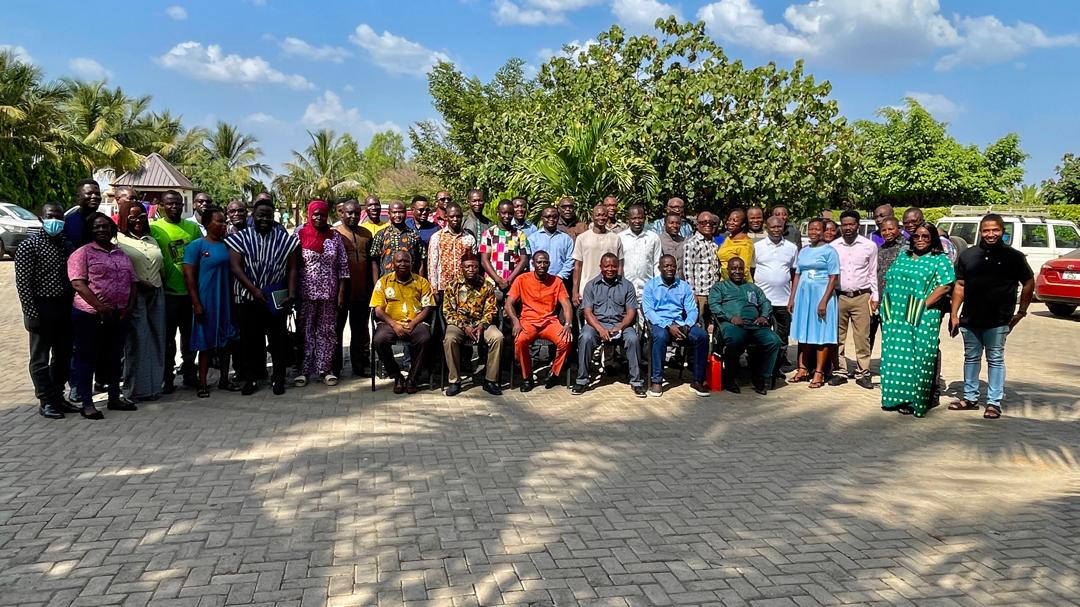
The summit brought together government institutions, development partners, civil society organisations, traditional and religious leaders, private-sector representatives and other stakeholders to deliberate on improving hand hygiene and WASH services in the Upper East Region.
A1 Radio | 101.1Mhz | Joshua Asaah