
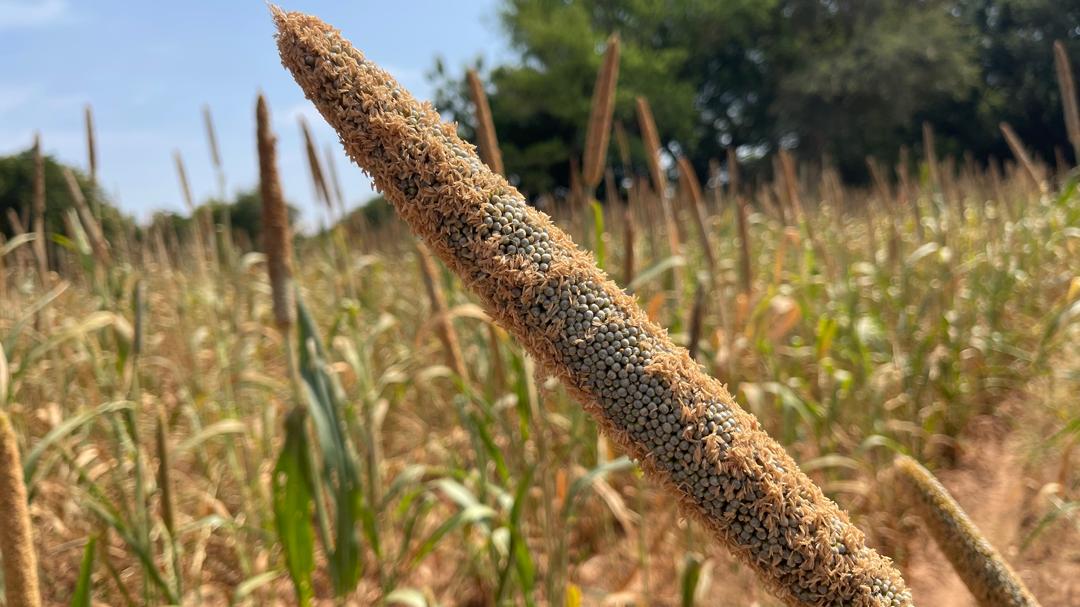
The Council for Scientific and Industrial Research–Savanna Agricultural Research Institute (CSIR-SARI) has intensified efforts to revive pearl millet cultivation in the Upper East Region and northern Ghana as a whole, following a decline in the production of the indigenous crop.
The institute’s Manga Research Station in the Bawku Municipality has introduced farmers to improved open-pollinated varieties (OPVs) and hybrid pearl millet varieties with the potential to increase yields, mature early and withstand changing climatic conditions.
The initiative came to light during a participatory farmer varietal selection exercise organised by CSIR-SARI for 54 farmers drawn from the Bawku Municipality, Binduri, Tempane and Pusiga districts.
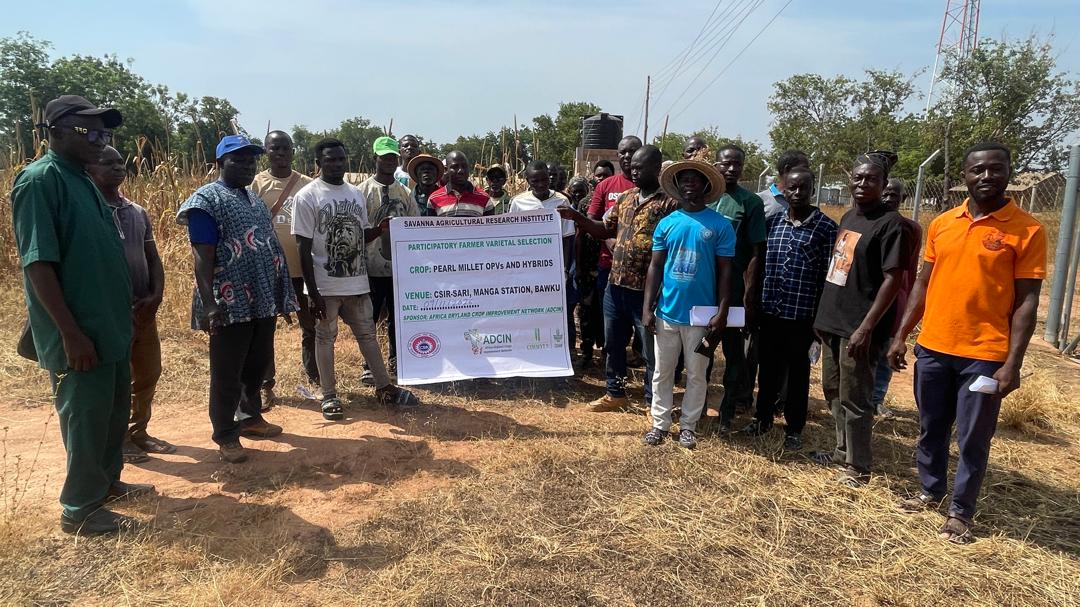
The exercise, sponsored by the International Maize and Wheat Improvement Center (CIMMYT) through the Africa Dryland Crops Improvement Network (ADCIN), allowed farmers to assess different pearl millet varieties and select those they considered most suitable for cultivation.
Dr. Peter Asungre, Pearl Millet Breeder at CSIR-SARI, said the farmers were taken through regional hybrid trials involving about 30 hybrids, from which they were expected to select their five preferred varieties.
He said the exercise also featured four hybrid varieties undergoing the release process, with farmers’ assessments expected to contribute to decisions on their eventual release.
According to him, the institute wants farmers to have the opportunity to choose between improved open-pollinated and hybrid varieties based on their preferences and production needs.
Dr. Asungre said hybrid pearl millet had promising prospects in Ghana, particularly because of its higher yield potential and nutritional value.
He explained that some of the hybrids could produce up to 3.5 tonnes per hectare, compared with about 2.1 tonnes per hectare for the existing improved open-pollinated varieties.
He added that the hybrids were also rich in essential micronutrients that could contribute to improving nutrition, particularly among children and breastfeeding mothers.
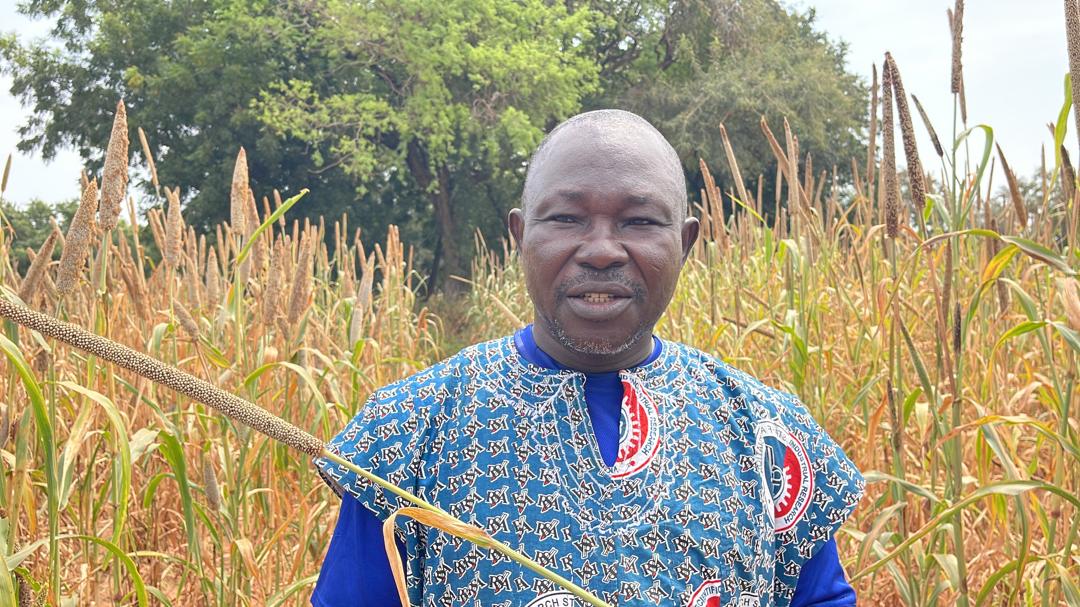
Dr. Asungre said the varieties were being assessed for their performance under local conditions, including resistance to downy mildew, a common disease affecting pearl millet.
He noted that the hybrids required no additional fertiliser inputs beyond what farmers normally applied to open-pollinated varieties.
On climate resilience, he said pearl millet generally required relatively low amounts of rainfall, with about 400 to 500 millimetres during the growing period sufficient to produce good yields if well distributed.
He described the early-maturing varieties, which can be harvested within 75 to 80 days, as climate-smart options for farmers facing increasingly unpredictable rainfall patterns.
Dr. Asungre said the field demonstration had also challenged the perception among some farmers that planting pearl millet as late as August would not produce good results.
He said the varieties on display had matured successfully by November, demonstrating their potential to fit into changing planting schedules.
The breeder further advised farmers to consider appropriate planting periods to minimise bird attacks, explaining that planting later could help farmers avoid periods when birds concentrate on millet crops.
He said the institute had already conducted hybrid and open-pollinated variety trials in the Upper East, Upper West and parts of the North East regions, with plans to expand the demonstrations to other parts of northern Ghana in 2027 with support from CIMMYT-ADCIN. He expressed gratitude to the funders for the support so far received.
Farmers who participated in the exercise expressed optimism about the improved varieties.
Mr Alhassan Salu, a farmer from the Tempane District, said the hybrid pearl millet varieties had higher yields, bigger stalks and better characteristics than the traditional seeds farmers had cultivated over the years.
Another farmer from the district, Awini Lamisi Charity, said the varieties matured early, produced better yields and appeared capable of withstanding difficult climatic conditions and bird attacks.
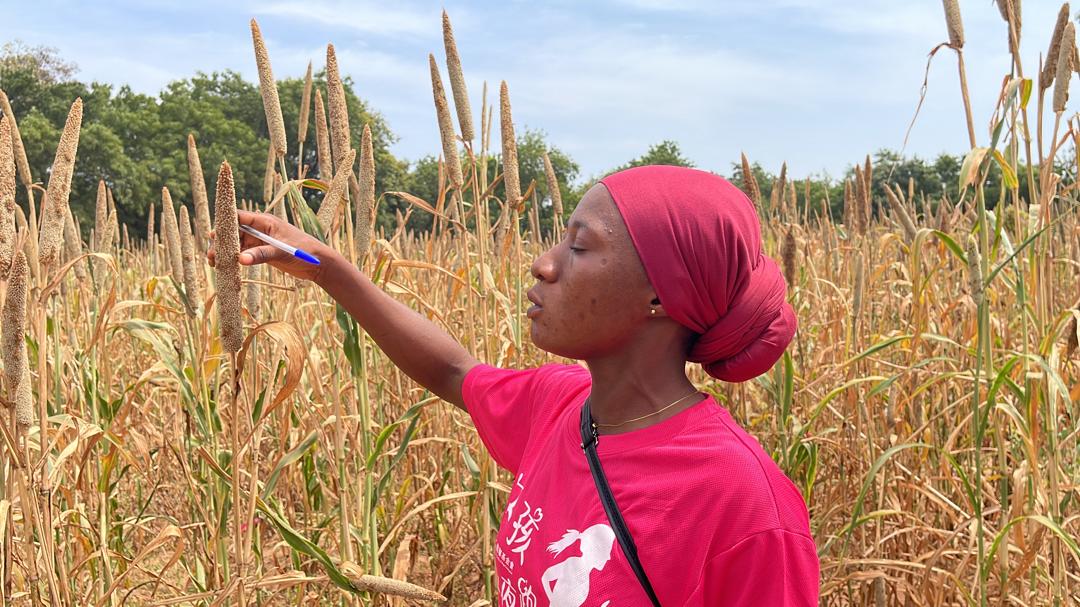
Abanga Emmanuel, a farmer from the Bawku Municipality, thanked CSIR-SARI for involving farmers in the selection process, saying the adoption of high-yielding varieties could improve their farming businesses and contribute to food security.
The initiative is expected to strengthen farmers’ access to improved pearl millet varieties and encourage renewed interest in the indigenous crop, which remains important to food production in northern Ghana.
A1 Radio | 101.1Mhz | Joshua Asaah | Manga