
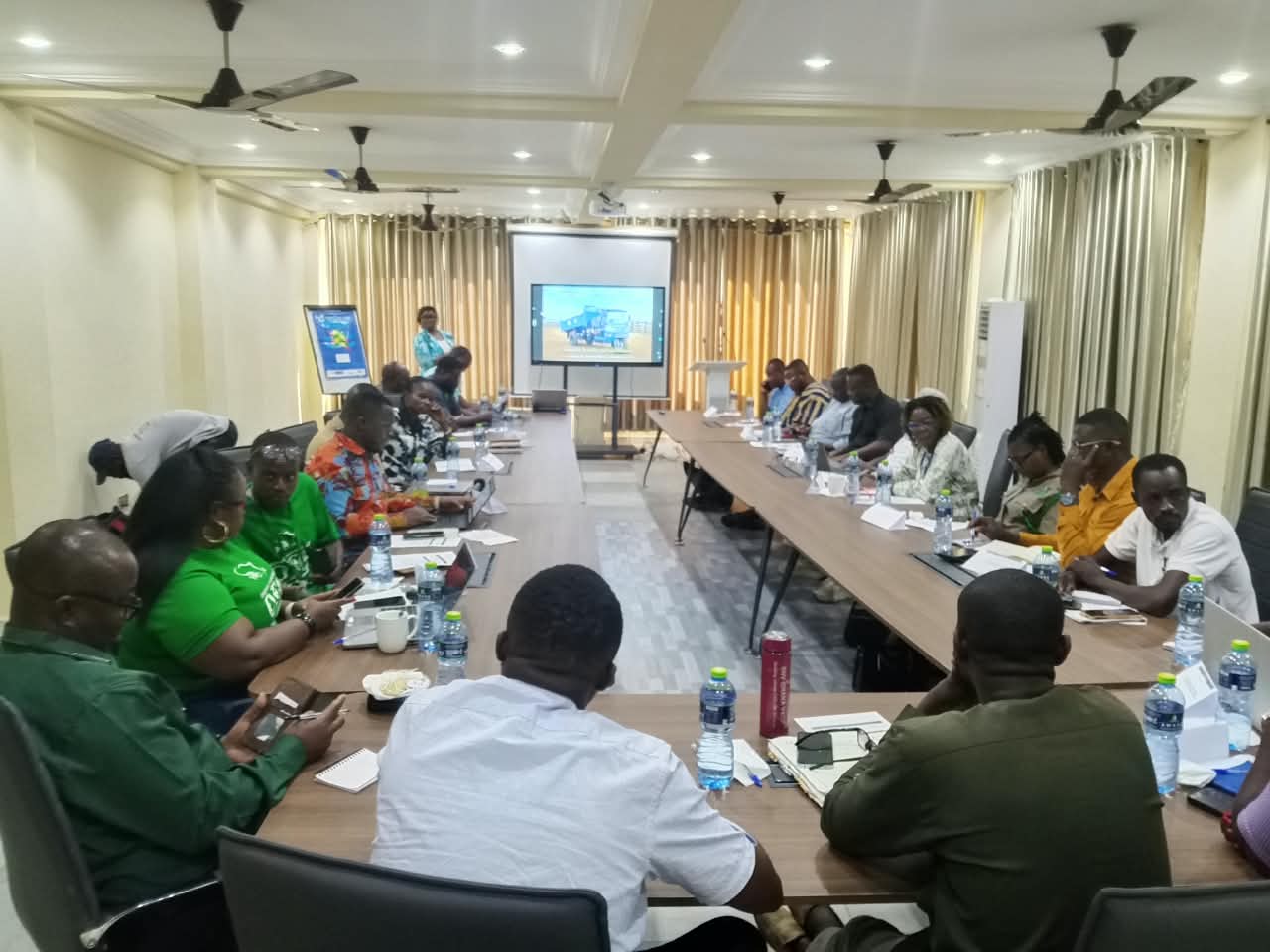
Sinapi Aba Trust, a non-banking financial institution dedicated to supporting small-scale businesses and farmers across Ghana, is currently supporting 500 women smallholder farmers in the Upper East Region under a two-year project financed by BMZ and Opportunity International, Netherlands.
The project is being implemented in the Builsa North and Kassena-Nankana Municipalities. Speaking to the media at a roundtable dialogue in Bolgatanga, the Agricultural Programme Manager of Sinapi Aba Trust, Isaac Okyere Darko, said the Trust has been supporting women smallholder farmers for more than a decade, particularly in the northern part of the country.
“Sinapi Aba Trust is a non-banking financial institution dedicated to supporting farmers from all categories of farming activity. I would say that Sinapi Aba Trust has been supporting women smallholder farmers for more than a decade and particularly in the northern part of the country. Currently, we are supporting 500 women smallholder farmers being financed by BMZ and Opportunity International, Dutch Land, he said. “We are supporting these smallholder farmers in the Builsa North and Kassena Municipalities, and this project is for two years,” he added.
He said the roundtable dialogue brought together institutions in the agricultural development space to explore collaboration on the current project and future projects.
“The institutions that we have invited for this roundtable dialogue are coming from government and non-governmental agencies.
From the government side, we have the Upper East Regional Coordinating Council; we have the Upper East Women in Agriculture Directorate also with us. We have the Builsa North Agricultural Representative, and for the non-governmental institutions we have the World Food Programme, we have the OFA,” he said.
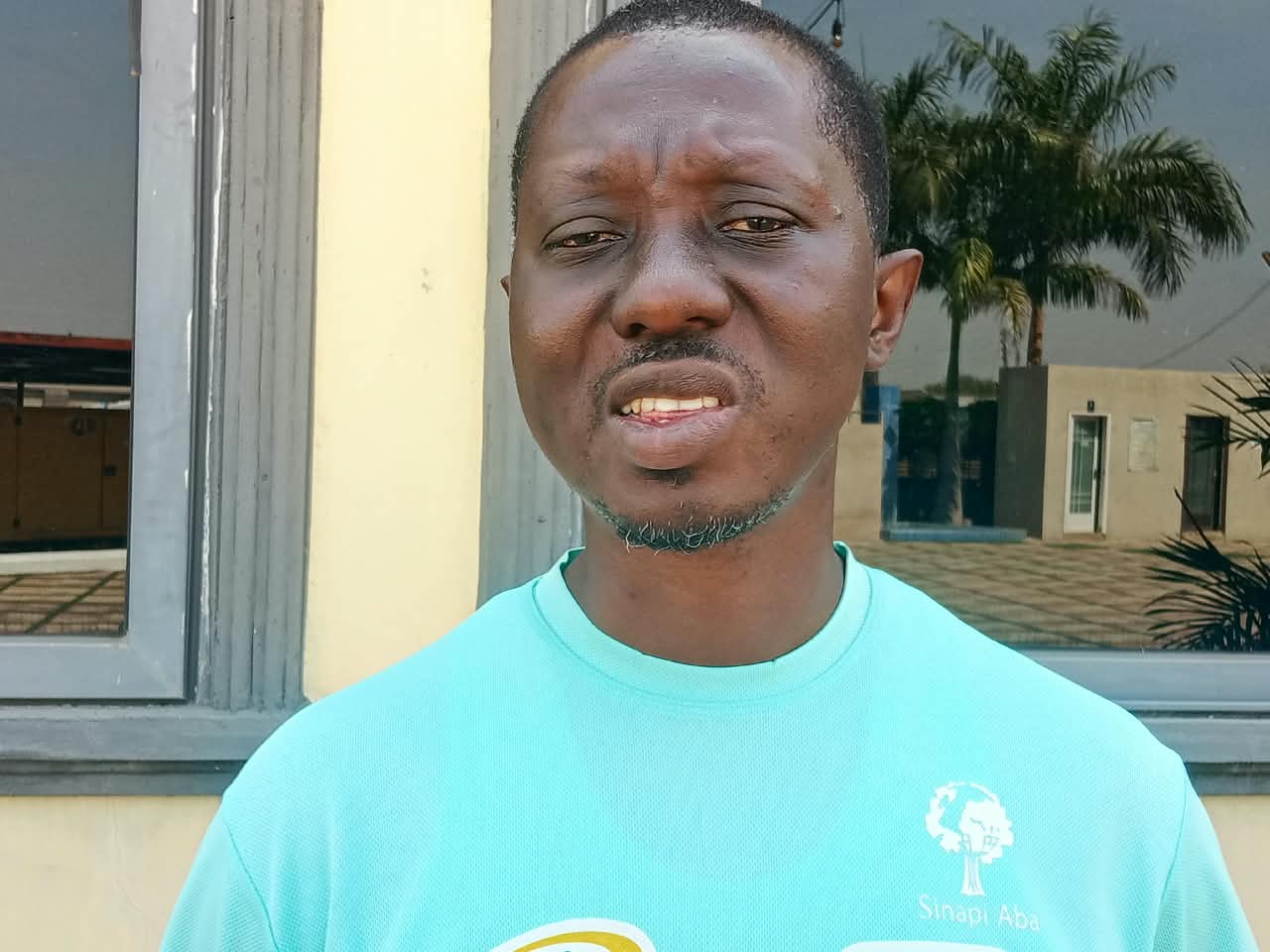
Mr. Darko said, Sinapi Aba supports farmers with training and loan facilities, with a focus on building their capacity to farm independently. “Mainly, we build their capacity to be able to do the farming independently, and because of that we have developed a training manual on good agronomy practices and climate-smart agriculture, and we are using a farmer support agent approach to support and train these farmers,” he said.
He added that farmers are also given weather alert information to enable them to plan their farming activities, as well as capacity building in gender and financial literacy.
“We also give them capacity in terms of gender and financial literacy, and also, we don’t support only the women; we also support their spouses and their opinion leaders by giving them capacity in terms of gender and also training them on the CSA that we are doing for the women,” he said.
According to him, the project is also using radio programmes to educate the populace in Kassena-Nankana and Builsa North.
“In these two areas, we are targeting 500 women farmers, and we are targeting 400 spouses and opinion leaders from the two districts for this. The spouses, we are only doing capacity building on gender awareness for them, and we are also taking them through financial literacy training, and we are also doing CSA training for the spouses for them to also understand or know what we are doing for their women,” he explained.
On her part, Fatima Isaaka, Agricultural Advocacy Consultant for the BMZ/OID Agric 2 Project, stressed the importance of stakeholder collaboration.
“It’s important that as we implement developmental projects, all stakeholders that are within the region are involved and we have all hands on deck. This is because you realize that most of the stakeholders are doing things that we are doing, so we need to engage, sit down, have discussions, have conversations, look at areas where our interests will align and see how best we can connect those synergies for the benefit of our women smallholder farmers,” she said.
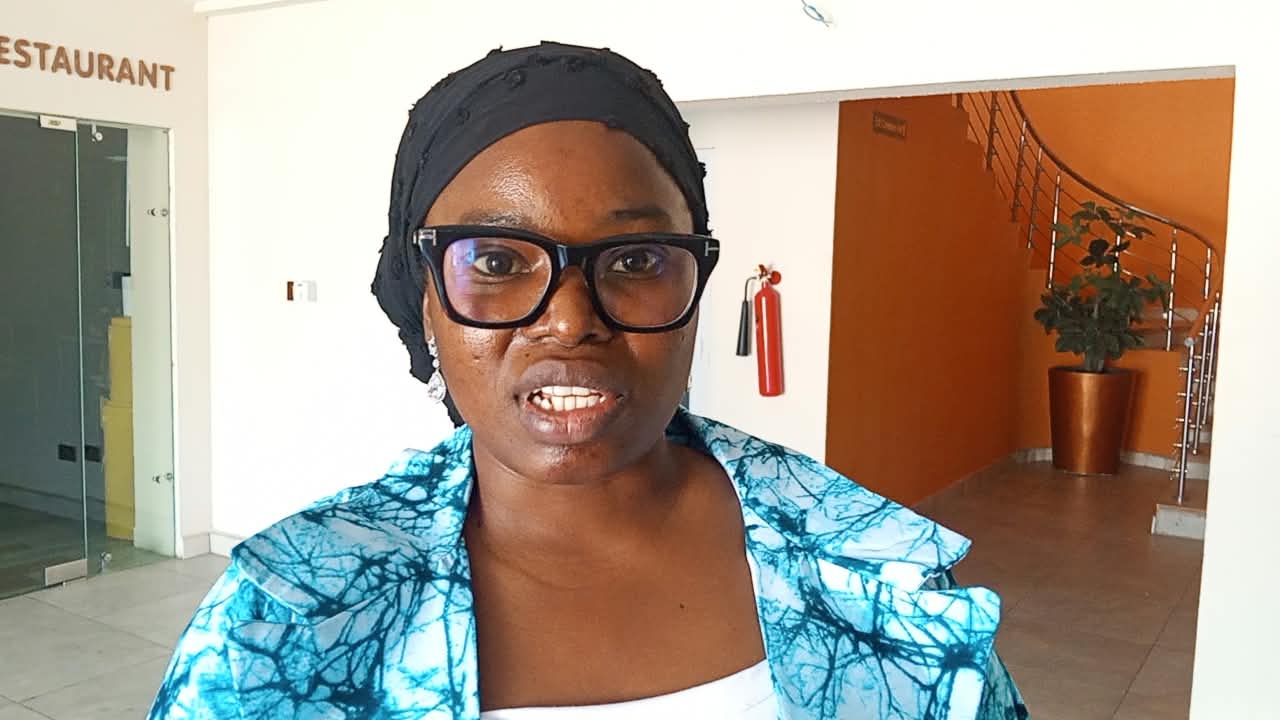
“That is why today we’ve brought diverse stakeholders that are within the agriculture sector to share ideas, learn, and also look at areas where we can collaborate so that the lives of our women smallholder farmers and smallholder farmers in general will be improved in the Upper East Region and Ghana as a whole,” Ms. Isaaka added.
A1 Radio | 101.1Mhz | David Azure