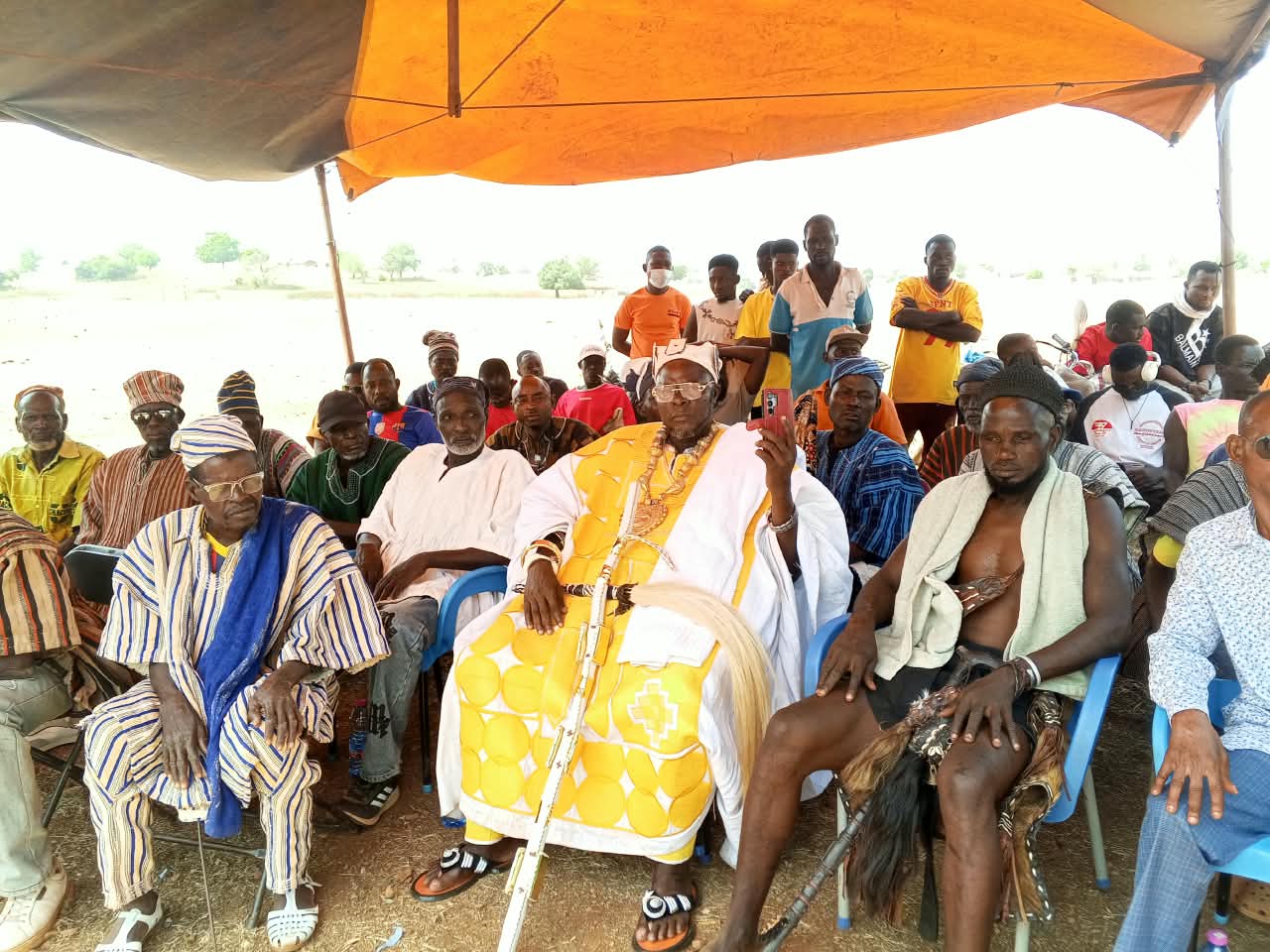
ActionAid Ghana has engaged residents of Gbane, a mining community in the Talensi District of the Upper East Region, on mineral governance, human rights and the need to protect livelihoods in mining-affected communities.
The engagement forms part of a 24-month project dubbed Uplifting the Voices of Mining Communities, funded by Comic Relief, which seeks to mobilise mining communities, amplify their concerns and strengthen their participation in decisions affecting mineral extraction.
The forum brought together community members and representatives of the Environmental Protection Authority (EPA), the National Commission for Civic Education (NCCE) and the Talensi District Assembly to discuss the effects of mining and explore ways of addressing challenges confronting residents.
Yakubu Akuka, Upper East Regional Programme Manager of ActionAid Ghana, said the initiative was intended to create a platform for communities to express concerns that often go unheard despite the extensive mining activities taking place in their areas.
He identified the loss of farmlands, declining livelihoods, environmental degradation and children dropping out of school to engage in mining activities as some of the challenges confronting mining communities.
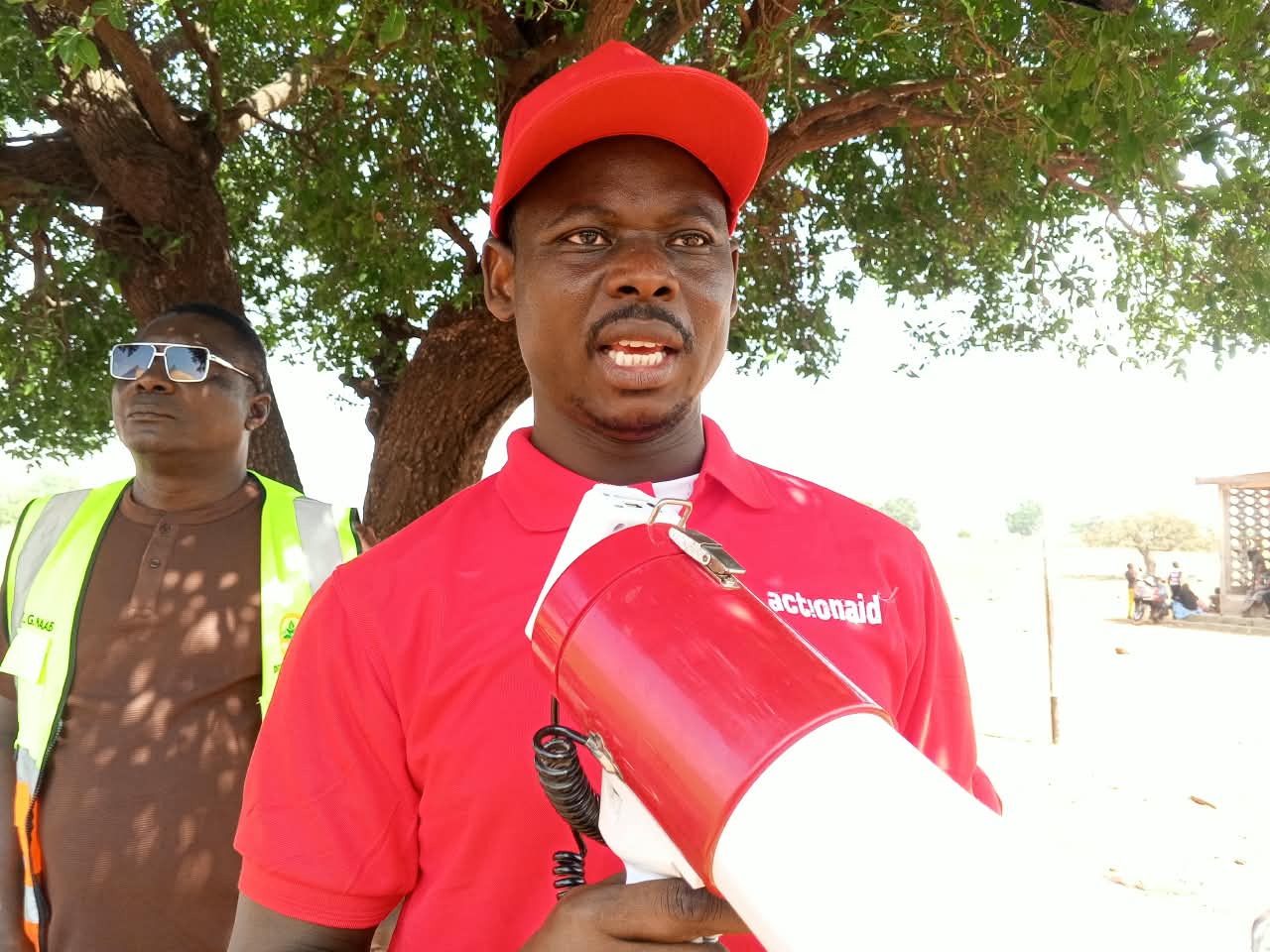
Mr. Akuka said ActionAid believed mineral extraction should not come at the expense of people’s livelihoods and human rights, stressing the need to balance the economic benefits of mining with the welfare and development needs of host communities.
He said the organisation was working with residents to improve their understanding of mining policies and regulations, particularly those relating to environmental protection and livelihood security.
As part of the project, ActionAid is establishing community-based monitoring committees to identify and report human rights abuses, labour-related concerns, environmental degradation and other challenges associated with mining activities.
Mr. Akuka explained that the committees would work with women, young people and community leaders to document concerns and present them to relevant institutions, including the Minerals Commission and district assemblies, for engagement and possible intervention.
He said the initiative was also intended to bridge the gap between mining communities and regulatory institutions by bringing stakeholders closer to residents to address their concerns.
Although mining companies were expected to participate in the engagement, Mr Akuka said some could not attend because of emergencies. He, however, indicated that both large-scale and small-scale mining operators were expected to participate in subsequent engagements.
The Chief of the Gbane Traditional Area, Moare Tintart Dugbazaa, welcomed the initiative, saying it had helped educate residents and traditional authorities on mineral ownership and governance.
He said community members had previously held misconceptions that traditional authorities were responsible for the allocation of mineral resources and received money for allowing mining companies to operate.
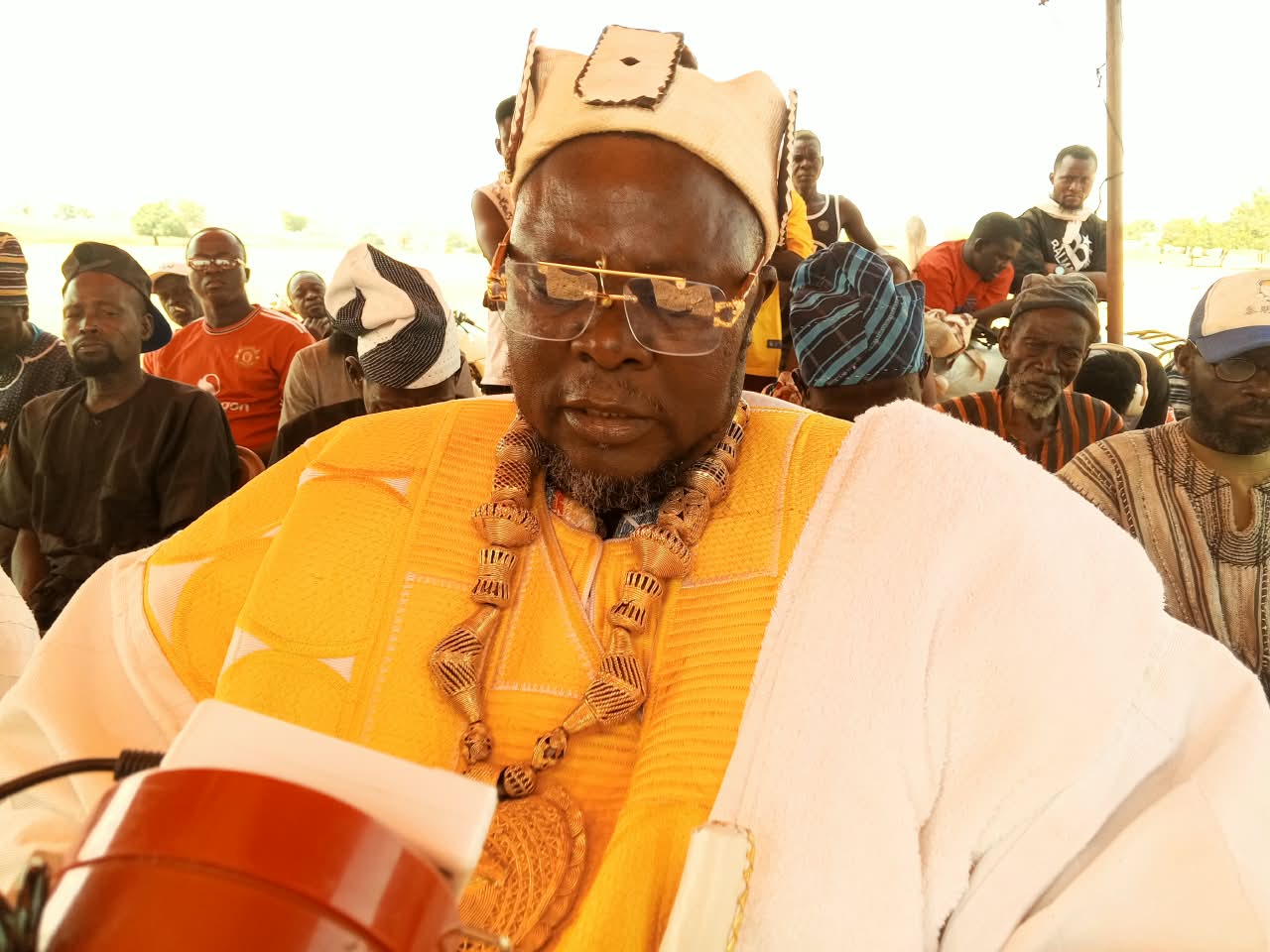
According to him, the engagement had clarified that minerals found in the country belong to the state, while he appealed for greater efforts to ensure that royalties due to mining communities were made available for their development.
Deputy Upper East Regional Director of the NCCE, Augustine Akugre, said conflicts in mining communities often arose from disputes over resource ownership, disregard for mining regulations and the failure to respect the rights of affected residents.
He urged communities to understand the laws governing mineral extraction and actively participate in local governance processes to demand accountability from duty-bearers.
Mr. Akugre said mining companies also had a corporate responsibility to support host communities through development interventions, including the provision of schools, healthcare facilities and livelihood support programmes, particularly for women and vulnerable groups.
He further called on residents to protect the environment, promote peaceful coexistence with mining companies and report criminal activities to the appropriate security agencies.
He cited Article 41 of the 1992 Constitution, which outlines the duties of citizens, to emphasise that communities also had responsibilities in ensuring peaceful and responsible mining operations.
Tobil Jennifer, an Assistant Director at the Talensi District Assembly, representing the District Chief Executive, said the engagement would help the Assembly reach communities with information on mining governance and clarify the responsibilities of different institutions.
She said some issues raised by residents fell outside the direct mandate of the Assembly and required the involvement of other authorities, making collaboration among stakeholders important.
Ms. Jennifer urged residents, particularly women and young people, not to depend solely on mining for their livelihoods, but to continue investing in education, farming and other economic activities.
She expressed hope that the engagement would improve awareness and contribute to addressing the development challenges confronting mining communities in the district.
A1 Radio | 101.1Mhz | Joshua Asaah | Gbane