
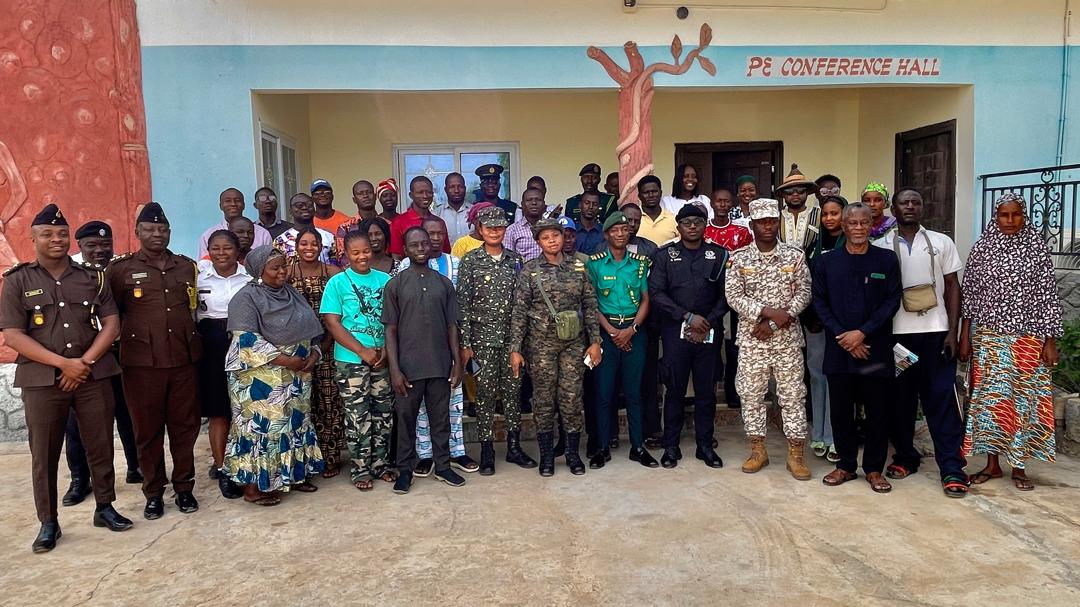
Catholic Relief Services (CRS), in partnership with the National Peace Council of Ghana, has successfully concluded a peace dialogue in the Upper East Region aimed at strengthening relationships between the Fulbe community, host communities, and security services.
The dialogue provided a platform for open engagement, mutual understanding, and collaboration to promote peaceful coexistence, enhance social cohesion, and strengthen community resilience against violent extremist influences.
The dialogue comes at a critical time as security threats continue to escalate across West Africa and the Sahel. Neighboring countries, particularly Burkina Faso, continue to experience persistent violent extremist attacks, underscoring the need for proactive measures to safeguard peace and stability in northern Ghana.
While Ghana remains largely peaceful, experts caution that challenges such as youth unemployment, socio-economic inequality, social exclusion, misinformation, and unresolved community grievances can create conditions that extremist groups may seek to exploit.
Addressing these vulnerabilities through inclusive dialogue, community engagement, and strengthened collaboration between citizens and security services is therefore essential to building resilient communities and preventing the spread of violent extremism.
Participants engaged in interactive sessions on conflict prevention, peaceful coexistence, community-security collaboration, and the growing threat of violent extremism in West Africa. Discussions focused on strengthening mutual trust between the Fulbe community, host communities, and security services, addressing stereotypes and misconceptions, and identifying practical approaches for resolving grievances through dialogue.
Participants also explored the role of citizens and security actors in promoting early warning, social cohesion, and community resilience to prevent extremist groups from exploiting existing vulnerabilities.
Speaking at the programme, Adelaide Yiriyelleh, PoVETSA Project Manager at CRS Ghana, said, “Building trust between communities and security services is essential to sustaining peace and preventing violent extremism. This dialogue demonstrates the power of inclusive engagement in addressing grievances, promoting mutual understanding, and strengthening community resilience. By bringing together the Fulbe community, host communities, and security actors, we are creating opportunities for collaboration that can help safeguard peace and stability in northern Ghana.”
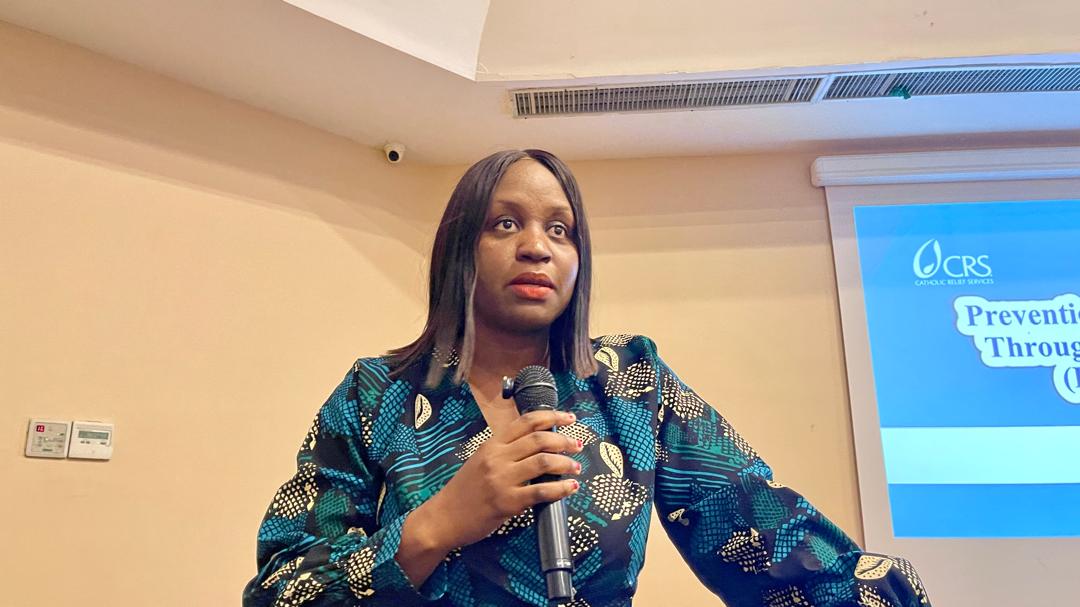
During a presentation on “Building Trust and Collaboration Between Communities and Security Services in Ghana’s PVE Efforts,”, Mr. Ali Anankpieng, former executive secretary of the Upper East Peace Council, emphasized the need for a whole-of-society approach to preventing violent extremism.
“Preventing violent extremism is a shared responsibility that requires the active involvement of communities, traditional authorities, civil society organizations, youth, women, and security agencies. Building trust, strengthening cooperation, and fostering open communication between citizens and security services are critical to identifying and addressing potential threats before they escalate,” Mr. Anankpieng stated.
Also speaking at the event, the Principal Programme Manager of the Upper East Regional Peace Council, Mr. David Angaamba, underscored the importance of dialogue and inclusive engagement in fostering peaceful coexistence and addressing tensions that can undermine community cohesion.
“Peace is built through understanding, mutual respect, and continuous engagement. By creating spaces for dialogue between communities and security services, we can address misconceptions, strengthen trust, and collectively promote a more peaceful and secure society,” Mr. Angaamba stated.
As the programme concluded, one message was clear: lasting peace and resilience against violent extremism depend on trust, dialogue, and collaboration between communities and security services.
The dialogue training forms part of a series of peacebuilding activities under the Prevention of Violent Extremism through Social Accountability (PoVETSA) project, an initiative funded by the Netherlands Ministry of Foreign Affairs and implemented by CRS in collaboration with the National Peace Council.
A1 Radio | 101.1Mhz | Joshua Asaah | Paga