
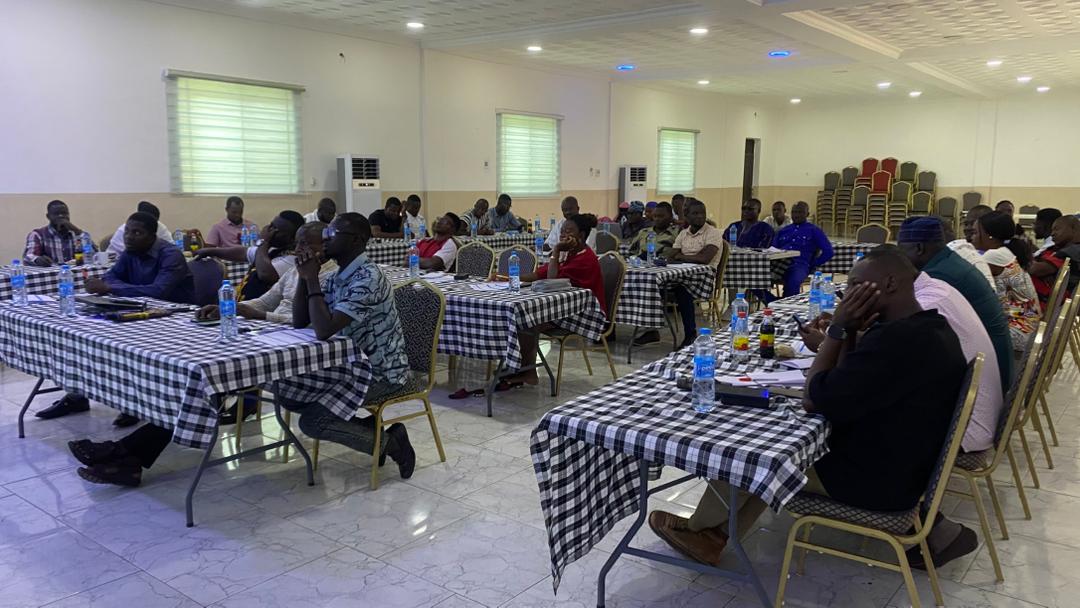
Journalists have been urged to adopt conflict-sensitive reporting practices to help promote social cohesion and prevent the escalation of tensions within communities.
Speaking during a training session on Conflict-Sensitive Journalism, Paul Nana Kwabena Aborampah Mensah, Programme Manager and Team Lead for Security Sector Governance at CDD-Ghana, emphasized the critical role journalists play in shaping public perception during conflicts.
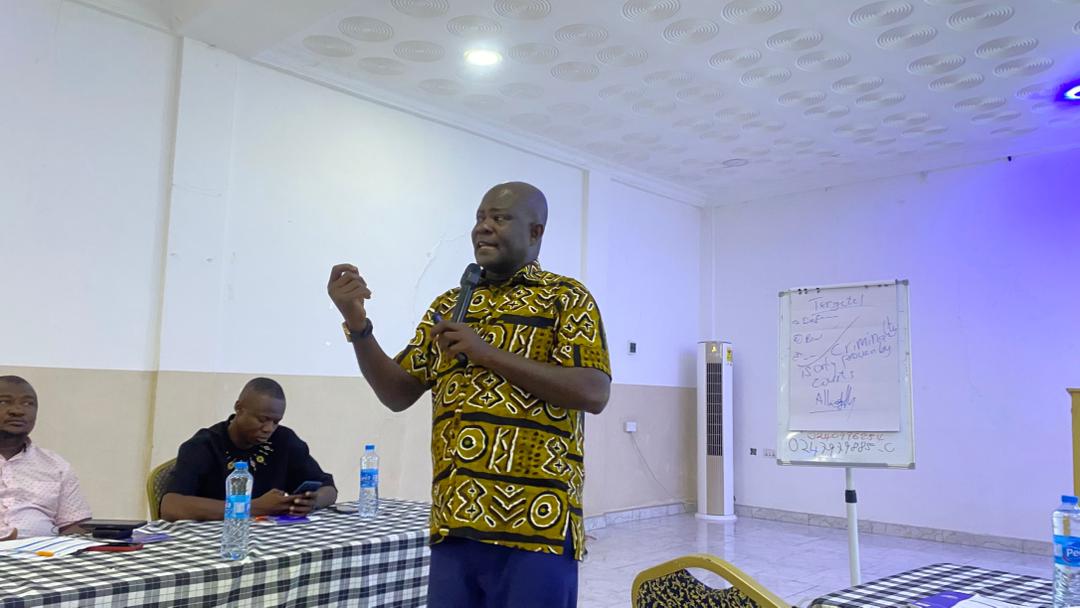
According to Mr. Mensah, the media must be mindful of the language used when reporting on conflict-related issues, noting that careless reporting can deepen divisions within society. He cautioned journalists against labeling entire ethnic or social groups based on the actions of individuals, stressing that crime is an individual act and should not be attributed to a whole community.
“Journalists must avoid generalizations such as describing a group as a ‘criminal tribe’ or using terms like ‘invaders’ and ‘aliens,’ which can stigmatize communities and fuel hostility,” he said.
Mr. Mensah also warned against what he described as “he-said, she-said” reporting, where journalists simply repeat claims made by opposing groups without verifying the facts. He explained that such reporting can be misleading and may contribute to the spread of misinformation.
“If one group claims their cattle were killed and another says their crops were burned, it is the duty of the journalist to verify these claims before publishing. Simply repeating allegations does not make one a professional journalist,” he added.
Participants were encouraged to focus on stories that highlight shared challenges among communities, such as climate change, land scarcity, and competition over resources, rather than narratives that deepen divisions.
Mr. Mensah concluded by reminding journalists that responsible reporting is not only a professional obligation but also an important tool for peacebuilding and strengthening social cohesion within society.
A1 Radio | 101.1 | Keziah Porepeya Nsoh | Tamale