
Eye health is a fundamental pillar of universal health coverage and national productivity. In Ghana, vision loss and avoidable blindness continue to impact thousands, particularly those in rural and underserved communities where quality care remains a luxury rather than a right.
While the National Eye Care Unit under the Ghana Health Service has made significant strides, the current centralized model, where coordination is anchored almost exclusively in Accra has reached its limit.
To achieve equitable access, Ghana must transition toward a decentralized system by establishing Regional Eye Secretariats in all 16 regions.
The Challenge of Over-Centralization
Currently, the “Accra-centric” model places immense pressure on a single national body to oversee diverse regional needs. This bottleneck results in several systemic friction points: Logistical Delays: Slow decision-making and implementation cycles.
Supervisory Gaps: Weak oversight of district-level facilities and outreach programs.
Data Silos: Inadequate monitoring and inconsistent reporting from the field.
Resource Disparity: An unequal distribution of equipment and specialists, leaving Northern Ghana and remote districts vulnerable to preventable blindness and untreated cataracts.
Why Regional Eye Secretariats are Essential
Tailored Local Interventions: Health delivery is most effective when it is responsive to local realities. A secretariat in the Upper East Region might prioritize trachoma surveillance and cataract outreach, while one in Greater Accra focuses on diabetic retinopathy and glaucoma. Regional hubs allow for “precision planning” rather than a one-size-fits-all mandate.
Rigorous Monitoring and Clinical Standards, proximity enables accountability. Regional Secretariats would provide direct supervision to CHPS compounds and district hospitals, ensuring: High surgical success rates, proper maintenance of specialized ophthalmic equipment, strict adherence to clinical protocols.
Evidence-Based Planning Through Better Data
Reliable data is the currency of modern healthcare. Regional secretariats would act as data clearinghouses, tracking: cataract surgical rates (CSR), school screening outcomes, glaucoma case management.
By capturing more accurate data, the regions can build stronger cases for donor funding and national budget allocations.
Harmonizing NGO and Partner Efforts
Many NGOs and development partners operate in silos. A Regional Eye Secretariat acts as a strategic hub, coordinating outreach schedules to prevent the duplication of services and ensuring that surgical camps reach the most “invisible” populations.
Specialist Retention and Professional Growth
From ophthalmic nurses to surgeons, eye care professionals need local mentorship and advocacy. Regional secretariats can manage staff deployment, coordinate continuing professional development, and create the support systems necessary to retain specialists in deprived areas.
A Sustainable Path Forward
Establishing these secretariats does not require the construction of expensive new complexes. It begins with a strategic policy shift:
Formalizing Roles: Appointing dedicated Regional Eye Coordinators with structured offices under the existing Regional Health Directorates.
Resource Allocation: Providing necessary logistics (transport, ICT tools) and clear budget lines.
Policy Framework: Empowering regional leaders with the authority to manage local partnerships and resources.
“Preventing blindness is not an expense; it is an investment. The cost of managing lifelong disability far outweighs the cost of a decentralized, functional eye care system.”
Call to Action
The Ministry of Health, the Ghana Health Service, and international development partners must recognize that the future of sight in Ghana depends on local action.
We must move beyond the national secretariat in Accra. To eliminate avoidable blindness and ensure that every Ghanaian, regardless of their geography, can see a brighter future, the time to establish Regional Eye Secretariats is now.
Eye care should not be a matter of location. It should be a matter of right.
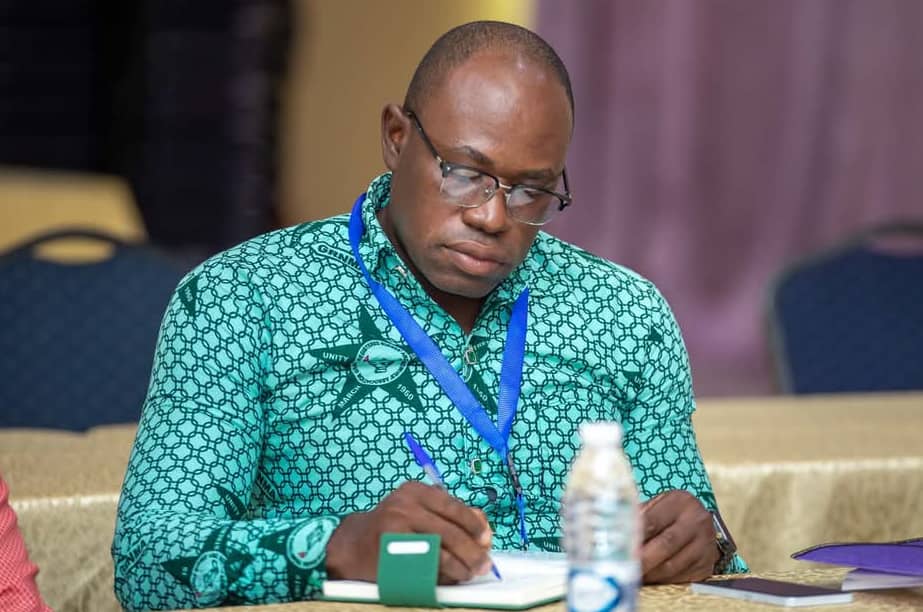
Feature By Desmond Yaani, Ophthalmic Nurse at Builsa South District Hospital.
Writer’s email: desmondyaani@outlook.com