
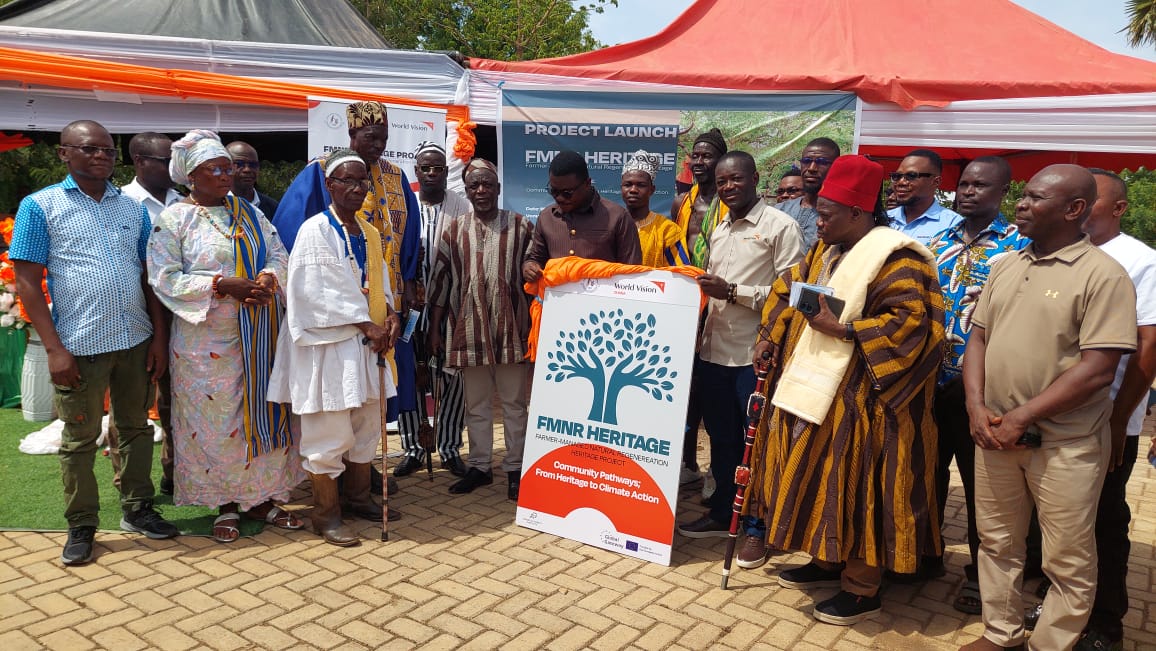
World Vision Ghana has launched the Farmer-Managed Natural Regeneration (FMNR) Heritage Project in the Nabdam District of the Upper East Region, targeting 10,000 farmers and the restoration of 1,500 hectares of degraded land to strengthen climate resilience and improve livelihoods.
The project, launched at the forecourt of the Nabdam District Assembly, seeks to reduce rural poverty and hunger through nature-based solutions that combine traditional ecological knowledge with community-led landscape restoration practices.
The initiative will use Farmer-Managed Natural Regeneration and on-farm tree planting to restore degraded landscapes in the Nabdam district while improving biodiversity, soil fertility, and household incomes.
Speaking at the launch, the Strategy and Integrated Programme Director of World Vision Ghana, Joshua Richard Baidoo, described the project as a major step towards restoring degraded lands and building resilient communities.
“Today marks a significant milestone in our collective journey to restore dignity to our land and resilience to our people. The launch of the Farmer-Managed Natural Regeneration Heritage Project here in Nabdam is not just another programme; it is a heritage initiative — one that seeks to revive our environment, strengthen livelihoods, and safeguard the future of our children,” he said.
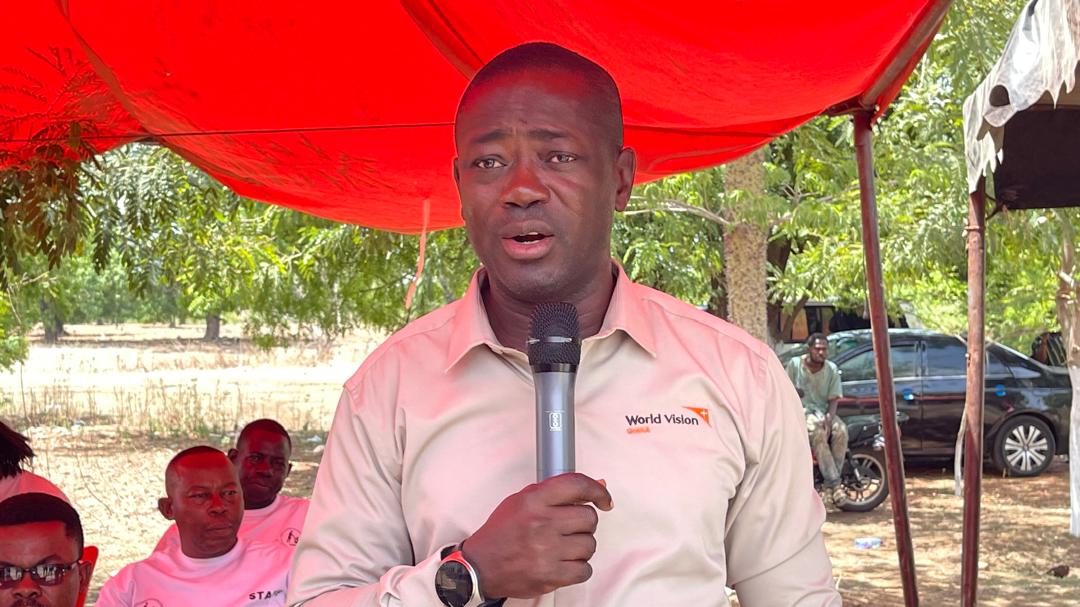
Mr. Baidoo noted that communities in northern Ghana have for years battled land degradation, erratic rainfall, declining crop yields, and worsening food insecurity.
He explained that the FMNR Heritage Project, funded by the European Union under the Sustainable Forest and Cocoa Programme and implemented through the European Forest Institute (EFI), would empower farmers to nurture naturally occurring tree stumps and roots to restore vegetation without costly plantations.
“This process, known as FMNR, will revive soil fertility, improve biodiversity, increase crop yields, and create shade and fodder for livestock. This will restore the environment, revive traditional knowledge, and build community resilience,” he stated.
The project is expected to strengthen natural resource governance structures, improve biodiversity conservation, and create sustainable economic opportunities, particularly for women, youth, and marginalized groups.
Jonas Bugre, the FMNR Heritage Project Manager, said the initiative builds on successful FMNR interventions implemented by World Vision Ghana in northern Ghana since 2009.
He said changing weather patterns, prolonged dry seasons, and increasing windstorms were clear signs of climate change and environmental degradation in the region.
“Twenty years ago, by this time, farmers would have finished first weeding their millet farms. Today, we are in mid-May, and there are no signs of planting. Something is wrong somewhere, and we need to act,” he said.
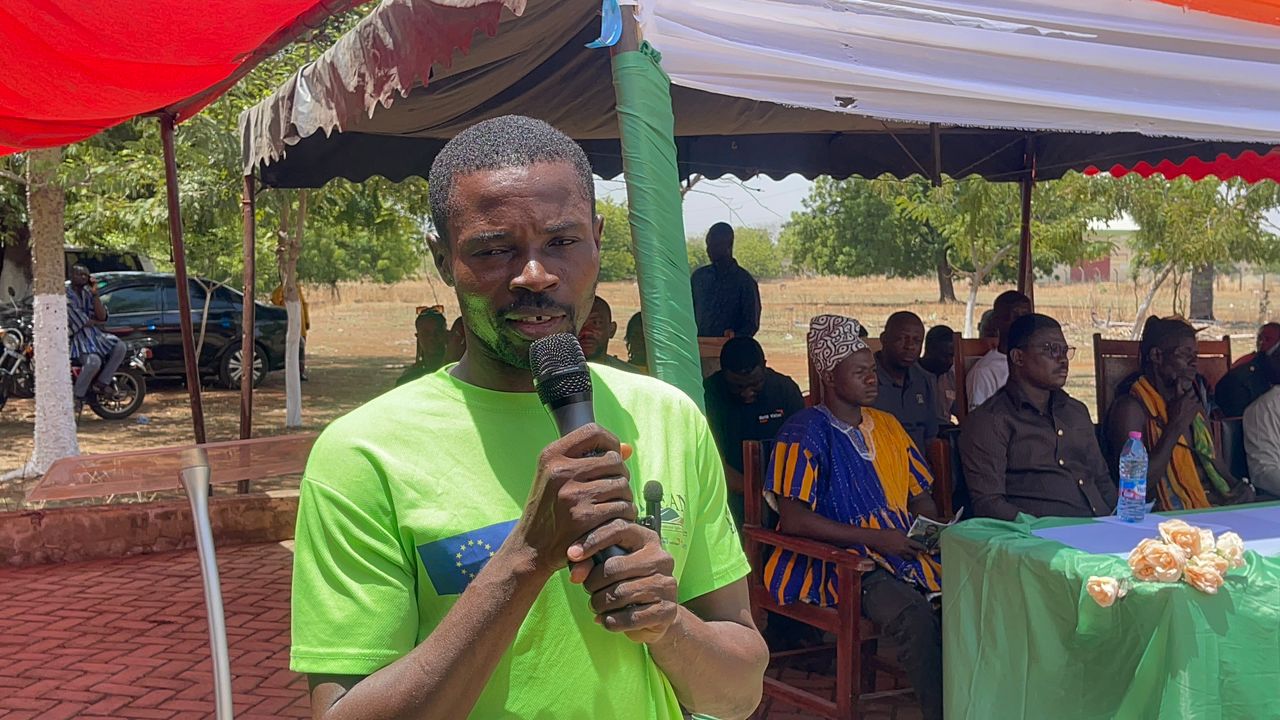
Mr. Bugre described FMNR as a low-cost, farmer-led solution with a higher survival rate than conventional tree planting.
“When you plant trees in this part of the country, you may only get a 10 to 20 percent survival rate. But with FMNR, we are nurturing already existing shrubs that are surviving naturally. FMNR has an almost 100 percent survival rate,” he explained.
A representative of the European Forest Institute, Elvis Kuudaar, said the organization was optimistic the project would contribute significantly to restoring degraded landscapes in the Nabdam district.
He disclosed that under the EU-supported Sustainable Forest and Cocoa Programme, EFI aims to support the restoration of at least 5,000 hectares of degraded land and benefit over 20,000 farmers through various partner organizations.
“Restoration cannot succeed if it is not participatory and integrated. That is why the involvement of the district assembly, traditional authorities, forestry institutions, and communities is very important,” he said.
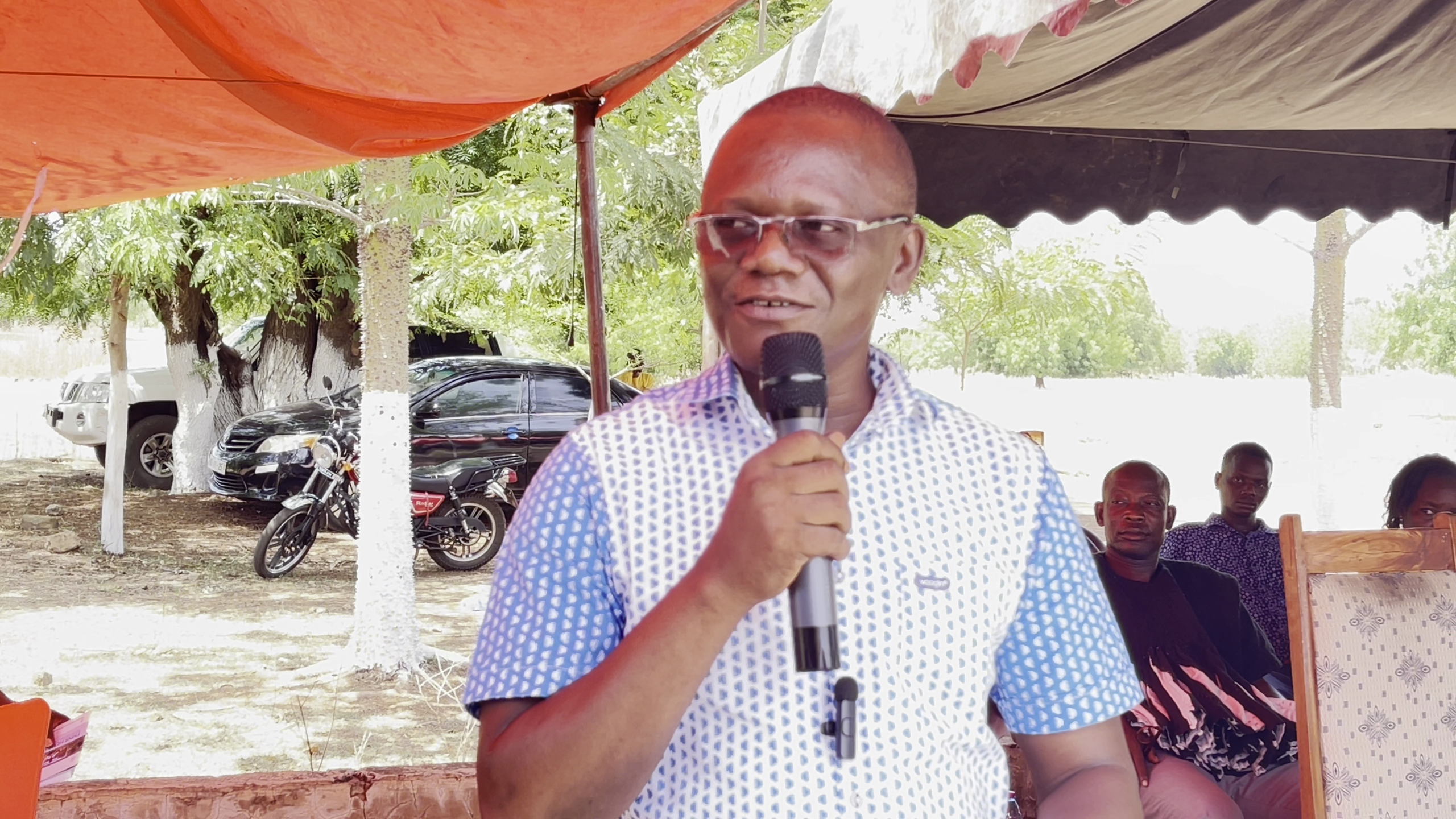
Mr. Kuudaar commended World Vision Ghana for building on years of experience in promoting FMNR and integrating sustainability mechanisms into district development planning.
Project Manager of the Center for Community Development Initiatives (CODI), an implementing partner, Julius Agolisi, described FMNR as a practical and cost-effective solution to land degradation and climate change.
“Farmer Managed Natural Regeneration is not just an environmental intervention. It is a proven, practical, and cost-effective solution that restores degraded lands, improves food security, protects biodiversity, and strengthens livelihoods,” he said.
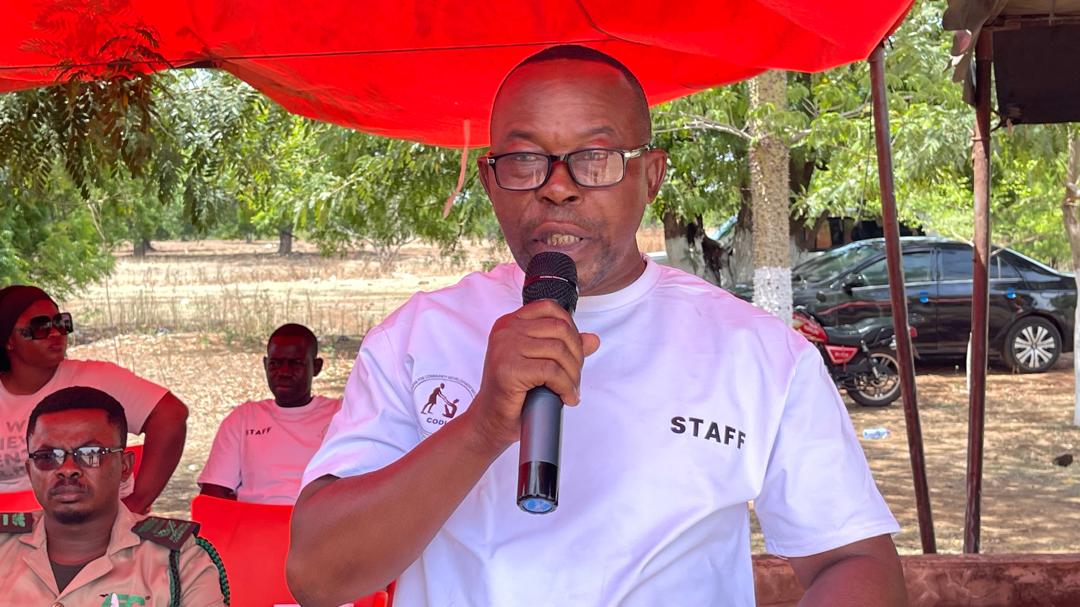
The District Chief Executive for Nabdam, Franci Tobig, pledged the assembly’s support for the project and urged residents to embrace the initiative wholeheartedly.
“Farmer Managed Natural Regeneration is not about planting expensive new forests. It is about protecting and nurturing the trees and soils we already have. It is about allowing nature to heal itself, guided by the wisdom and care of our farmers,” he stated.
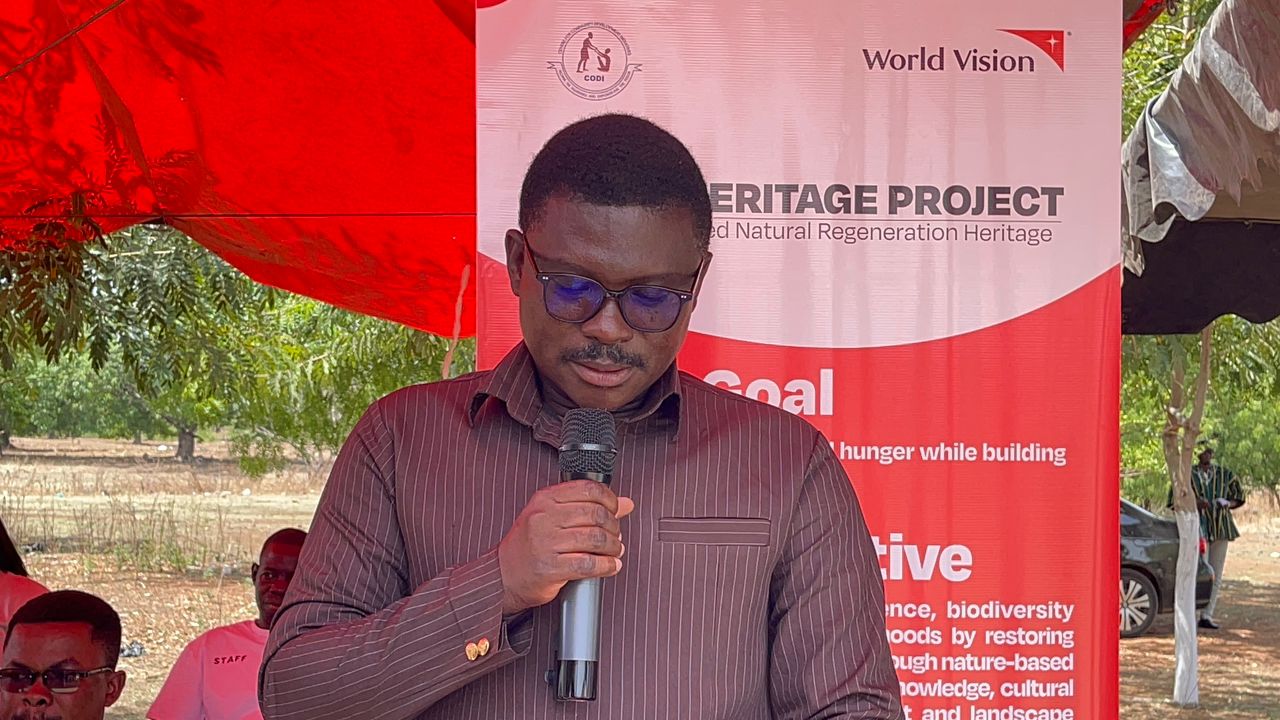
Mr. Tobig said the project would complement government’s ongoing investments in roads, schools, water systems, and health facilities in the district.
He revealed that the assembly drilled 15 boreholes and five mechanized water systems in 2025 and plans to drill an additional 20 boreholes and five mechanized systems in the coming months.
Chief of Kotintaabig, Naab Bileehsong La’anwont Namoog, who also serves as a Director at the Environmental Protection Authority (EPA), called for stronger enforcement of traditional environmental protection practices and existing environmental laws.
He urged communities to revive indigenous conservation methods and protect sacred groves and vegetation from bushfires and indiscriminate tree felling.
“We need to safeguard this environment for the next generation. If we cannot protect the land handed over to us by our forefathers, what do we expect future generations to inherit?” he questioned.
The FMNR Heritage Project will run for 24 months and is expected to promote climate-smart agriculture, improve food security, and strengthen long-term environmental stewardship across the Nabdam District.
A1Radioonline.com|101.1Mhz|Joshua Asaah|Nabdam