
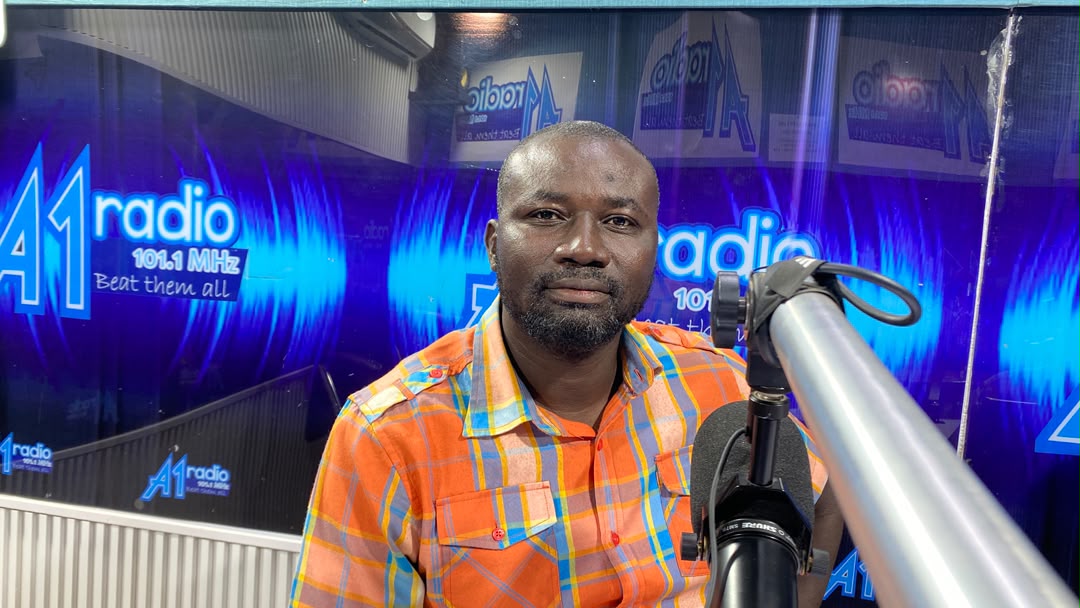
Mental health officer with the Nabdam District Health Directorate, Prosper B. Adiali, has called for sustained public education on mental health, warning that many people, particularly men, are struggling without recognizing the need for professional support.
Speaking on A1 Radio’s Equal Voices programme, Mr. Adiali said mental health affects how people think, feel and behave, and is central to overall wellbeing and productivity.
“Mental health is looking at our overall emotional, psychological and social well-being. It affects our thinking, our feelings, and our behaviour, and ultimately our ability to function productively in society,” he said.
He noted that many mental health conditions are not easily identified by those affected, which often delays treatment.
“There are people whose thinking is affected, and they may not even realize that they are sick. That is why it is often difficult for people with severe mental health conditions to voluntarily seek treatment,” he explained.
Mr. Adiali said awareness of mental health is improving through media engagement and public education, but significant gaps remain, particularly among men.
He explained that women are more likely to access health information due to frequent visits to health facilities for maternal and child health services, while many men miss similar opportunities.
“Women tend to visit health facilities more often, especially during pregnancy and child care, where they receive health education, including mental health information. Many men, however, do not get this exposure and therefore remain uninformed,” he said.
Mr. Adiali said societal expectations of masculinity contribute to men suppressing emotions, which can later manifest in anger, aggression, substance use or withdrawal from family responsibilities.
“Society expects men to behave in a certain way and not show vulnerability. Because of this, many men suppress their emotions until it affects their behaviour and wellbeing,” he stated.
He expressed concern about the increasing use of alcohol and other substances as coping mechanisms among some men, warning that such behaviour does not address underlying mental health challenges.
“Some men resort to alcohol or other substances to escape their problems, but once the effect wears off, the issues remain unresolved,” he cautioned.
Mr. Adiali also cited economic pressure and family responsibilities as contributing factors to men’s mental health challenges, urging early intervention and help-seeking.
He encouraged men to access mental health services available at health facilities across the country, noting that every district has trained personnel to provide support.
“We have mental health officers in most health facilities, and people should not wait until things worsen before seeking help,” he advised.
He acknowledged that stigma remains a barrier to care, including negative perceptions about mental health professionals, but stressed that such attitudes must change.
“Stigma still exists, even within society and sometimes within the health system, but mental health care is for everyone, and no one is totally free from mental health challenges,” he said.
A1 Radio | 101.1 MHz | Keziah Porepeya Nsoh | Bolgatanga