About 82% of reported sexual and gender based violence (SGBV) cases occur in homes, the Programmes Advisor and Head of Policy at NORSAAC, Mathilda Ayineboma Ayamga, has said, calling for stronger collaboration among families, schools, traditional authorities, state institutions and the media to tackle the growing problem.
Speaking in Bolgatanga during NORSAAC’s annual stakeholder review of its Agenda 55 initiative, Ms. Ayamga said the figures show that many survivors are being abused in places where they should feel safest.
“If I am more at risk in my own home, then where is my safety net?” she said. “Parents must become more available to their children because the findings suggest that many children are no longer adequately protected within their families.”
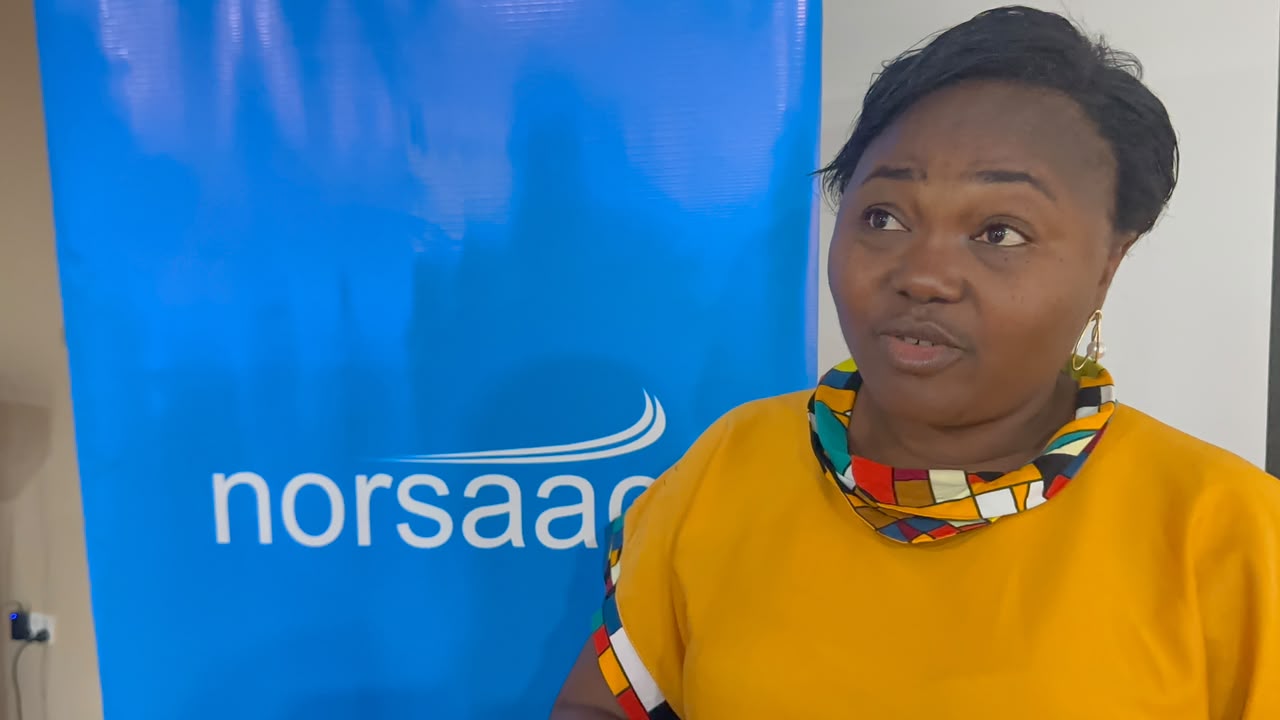
She said sexual and gender based violence affects children, adolescents, women and men, making it a community-wide issue that requires a coordinated response.
“Issues regarding Sexual and Gender-Based Violence among children, teenagers, women, and men affect the very fabric of every community. This is why I am calling on the media, traditional authorities, parents, schools, and all relevant institutions to work together to address this growing challenge,” she said.
Ms. Ayamga also expressed concern about increasing reports of school related sexual and gender based violence, saying schools, like homes, should be safe environments for children.
“Our homes and schools should be safe havens for children. Unfortunately, evidence shows these spaces are becoming unsafe. Parents, teachers and education authorities must reclaim their responsibility to protect our children,” she said.
She urged traditional and religious leaders to work more closely with state institutions responsible for investigating and prosecuting SGBV cases instead of relying solely on customary dispute resolution.
“Our discussions revealed that traditional leaders wield significant authority, but in many cases they do not allow the mandated institutions to work with them in ways that ensure justice is served and perpetrators are deterred. We respect our traditional and religious leaders, but we must cooperate to protect victims and prevent future abuses,” she said.
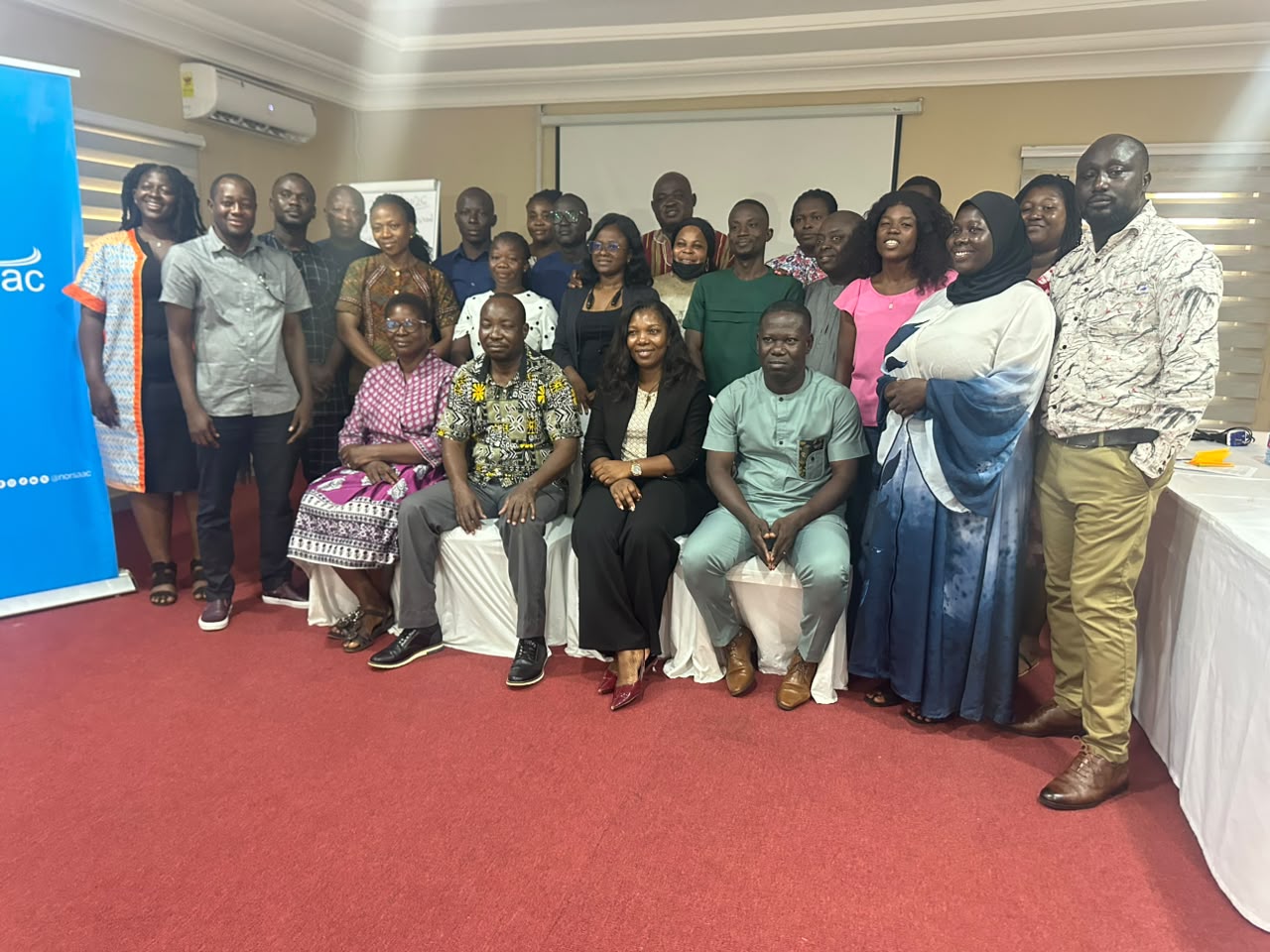
The stakeholder meeting formed part of NORSAAC’s Agenda 55 initiative, launched in 2022 to combat sexual and gender based violence across 55 Metropolitan, Municipal and District Assemblies in the Northern, North East, Savannah, Upper East and Upper West regions.
Ms. Ayamga said this year’s review, held in Tamale and Bolgatanga, brought together representatives from 29 assemblies to assess progress and identify ways to strengthen the response to SGBV.
She said one of the initiative’s key achievements has been the adoption of nine SGBV monitoring indicators by several district assemblies into their Medium Term Development Plans. The indicators help assemblies track cases of defilement, rape, assault and referrals while strengthening case management and accountability.
“Many assemblies have accepted these indicators and are using them to monitor what cases are occurring, how they are being addressed, and what further actions should be taken. This has improved coordination and monitoring at the local level,” she said.
Participants also called for stronger collaboration among agencies, including the Domestic Violence and Victim Support Unit (DOVVSU), the Commission on Human Rights and Administrative Justice (CHRAJ), the Ghana Health Service, the Ghana Education Service, Metropolitan, Municipal and District Assemblies, and civil society organisations to improve prevention, reporting and support for survivors.
North East Regional Director of Community Development Kampini Batie Binapak said his department would strengthen advocacy and reporting systems to help reduce SGBV cases across the region.
The meeting brought together representatives from the Upper East and North East regions, including officials from the Ghana Health Service, Ghana Education Service, Ministry of Gender, Children and Social Protection, local assemblies, civil society organisations, advocacy groups and the media.
A1 Radio | 101.1 MHz | Moses Apiah | Bolgatanga