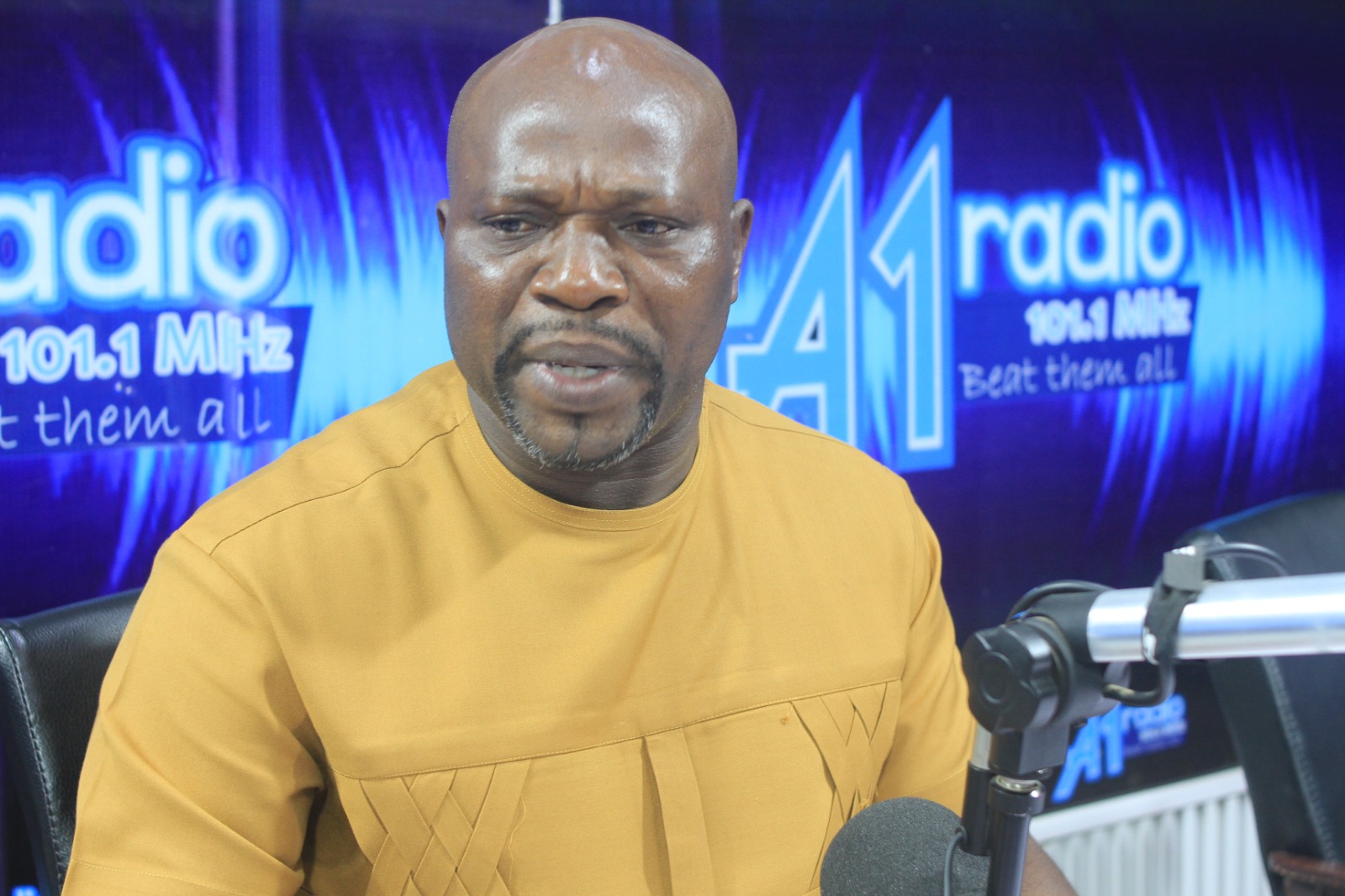
The District Chief Executive for Bawku West, James Ayamwego, has described the Prosperity through Enterprise, Agriculture, and Regional Livelihoods (PEARL) initiative as a timely opportunity to address the Upper East Region’s long-standing development challenges through deliberate planning and coordinated investment.
Speaking in an interview on A1 Radio, Mr. Ayamwego said the initiative offers the region a chance to rethink its development priorities and pursue a structured approach to improving infrastructure, agriculture, enterprise, and livelihoods.
He noted that many of the region’s challenges, including the impact of recurring floods and inadequate infrastructure, stem from years of insufficient planning.
“I must say that the inception of this made some of us happy, because it has been long overdue. As a region, we could have done better. Today, we have seen floods here and there, we have seen all manner of troubles in the country. It is all because we have failed to plan. As they have always said, when you fail to plan, you have planned to fail.”
According to him, the region now has an opportunity to intentionally harness its resources and invest in projects that will improve the economic well-being of its people.
The Bawku West DCE expressed optimism that the initiative’s 10-year implementation period could significantly transform the region if its targets and indicators are fully achieved. He said the long-term nature of the plan provides the consistency needed to deliver sustainable development outcomes.
“The thing we should now begin to look at is harnessing our resources to the benefit of our people. Strategically looking at how we want to tailor infrastructure, how we want to improve our people in terms of agriculture, enterprise, and even the livelihood of our people, is one of the things which ought to happen early. We are fortunate we have it today, and today we can begin to look at it,” he said.
Mr. Ayamwego also stressed that the initiative should not be viewed through a partisan political lens, describing it as a development agenda owned by the people of the Upper East Region rather than any political party or the central government. He said broad stakeholder ownership would be essential to ensuring its success beyond changes in government.
“I have also looked at it in the point of the fact that it is not tied to one political party or the other, but it is for all of us. It is built by our own people. The idea did not come from a crowd, the central government, or any other person. It has come from the good people of the Upper East Region.”
He called on residents, professionals, and development partners to contribute ideas and expertise toward the implementation of the programme, saying the region has reached a stage where collective planning and collaboration are needed to address challenges in agriculture, education, health, and other critical sectors.
“Those who have the good ideas, those who think we ought to have done this, those complaining all along that we are not doing it well, this is the time to bring all of our ideas.”
Mr. Ayamwego further encouraged the region to reduce its dependence on central government interventions by developing a clear roadmap for its own growth and leveraging available local resources. He said a well-defined development framework would also make it easier to attract support from government, development partners, and individuals from the region who are willing to invest in its progress.
“If we think we want to have a good future for ourselves, we want to have a good foundation for ourselves, then we should begin to look at how we can implement policies that could better address our issues. We cannot throw our hands in despair, hoping for support to come from the central government.”
He added that a coordinated regional development plan would help ensure that projects are implemented based on actual needs, preventing the construction of underutilised infrastructure while promoting equitable development across all districts.
Mr. Ayamwego said the proposed framework would help address disparities among the region’s 15 districts by ensuring that development is planned from a regional perspective rather than through isolated district-level interventions.
A1 Radio | 101.1 MHz | Gifty Eyram Kudiabor | Bolgatanga