
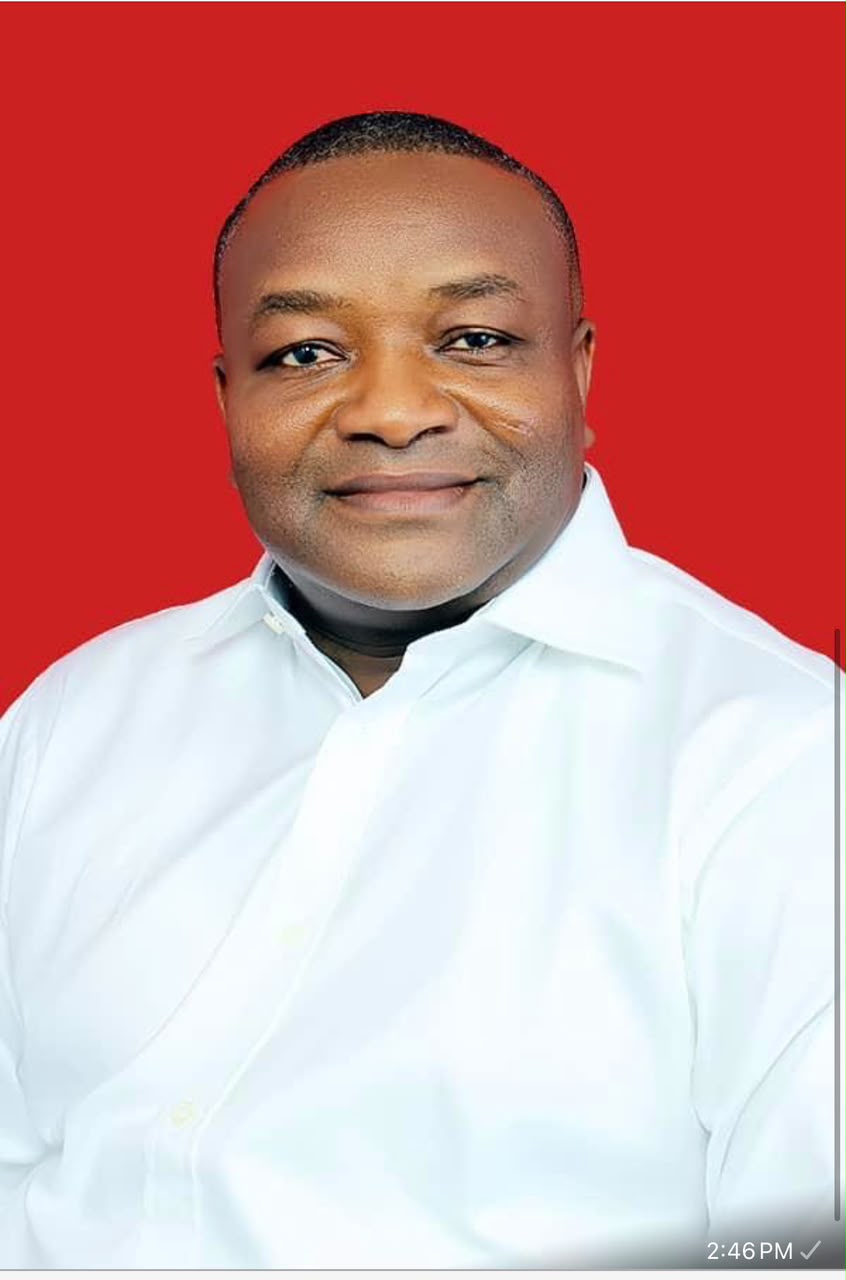
The Founder and Leader of the All People’s Congress (APC), Dr Hassan Ayariga, has called on President John Dramani Mahama to prioritise Ghanaian-owned businesses in major infrastructure projects and government contracts, arguing that foreign investment must not come at the expense of local enterprises.
He said Ghanaian businesses should receive greater financial and institutional support to compete for opportunities in sectors such as mining, construction, agriculture, energy, manufacturing and transportation.
In a national statement issued on October 11, 2026, Dr Ayariga questioned the extent to which indigenous businesses were benefiting from major government projects and investment opportunities.
“Mr President, how many Ghanaian-owned companies have you cut sod for?” he asked.
The APC leader argued that although foreign investment remained important to Ghana’s development, the government must ensure that investment agreements create employment, transfer technology and strengthen local businesses.
“I am not against foreign investment. I am against foreign economic domination,” he said.
Dr Ayariga expressed concern about what he described as unequal access to government contracts and affordable financing, arguing that Ghanaian businesses often struggled to compete with foreign companies that had stronger financial backing.
He called for a national economic empowerment strategy that would provide qualified Ghanaian-owned businesses with fair opportunities to participate in major public projects.
As part of the proposal, he advocated government-backed financing, credit guarantees and investment arrangements to help capable local enterprises undertake large-scale projects.
He also urged the government to ensure that public-private partnership agreements deliver measurable benefits, including local employment, Ghanaian business participation, value for money and long-term economic sustainability.
According to him, foreign investors operating in strategic sectors should comply with applicable local content requirements and contribute to skills development and technology transfer.
Dr Ayariga maintained that his concerns were not directed at foreign investors because of their nationality but rather at the terms of investment agreements, ownership structures and the distribution of economic benefits.
He specifically questioned the growing involvement of Chinese companies in Ghana’s economy and called for greater transparency in contracts and stronger measures to ensure fair competition and local participation.
The APC leader also raised concerns about the transfer and long-term leasing of agricultural, ancestral and strategically located lands to foreign interests.
He warned that poorly structured land transactions could affect agricultural production, community livelihoods and the economic interests of future generations.
Dr Ayariga therefore urged traditional authorities, family heads and landowners to consider the long-term implications of land transactions before entering into agreements with investors.
He called for closer collaboration between government, traditional authorities and local communities to protect agricultural lands and other strategic assets.
Beyond Ghana, Dr Ayariga argued that African countries must reduce their dependence on exporting raw materials and importing finished products.
He called for increased investment in local manufacturing, technology and regional value chains to enable African businesses to retain more of the economic benefits generated from the continent’s natural resources.
As part of what he described as a proposed “Ghana First” economic policy, Dr Ayariga outlined eight priorities, including greater Ghanaian ownership of strategic projects, protection of national assets, fair access to public contracts and affordable financing for indigenous businesses.
The proposals also cover local content requirements, technology transfer, transparent public-private partnerships, protection of agricultural lands and stronger economic cooperation among African countries.
He urged President Mahama to pursue an investment strategy that attracts international capital while deliberately supporting the growth of competitive Ghanaian enterprises.
“Let us welcome foreign investors, but let us also build Ghanaian investors,” he said.
Dr Ayariga maintained that Ghana’s economic development should be driven by partnerships that protect national interests and provide meaningful opportunities for local businesses.
“Ghana is not for sale,” he said.
A1 Radio | 101.1 Mhz | Moses Apiah | Bolgatanga