
Children in mining communities across Ghana’s Upper East Region are being forced into choices that undermine their education and put their safety and long-term prospects at risk.
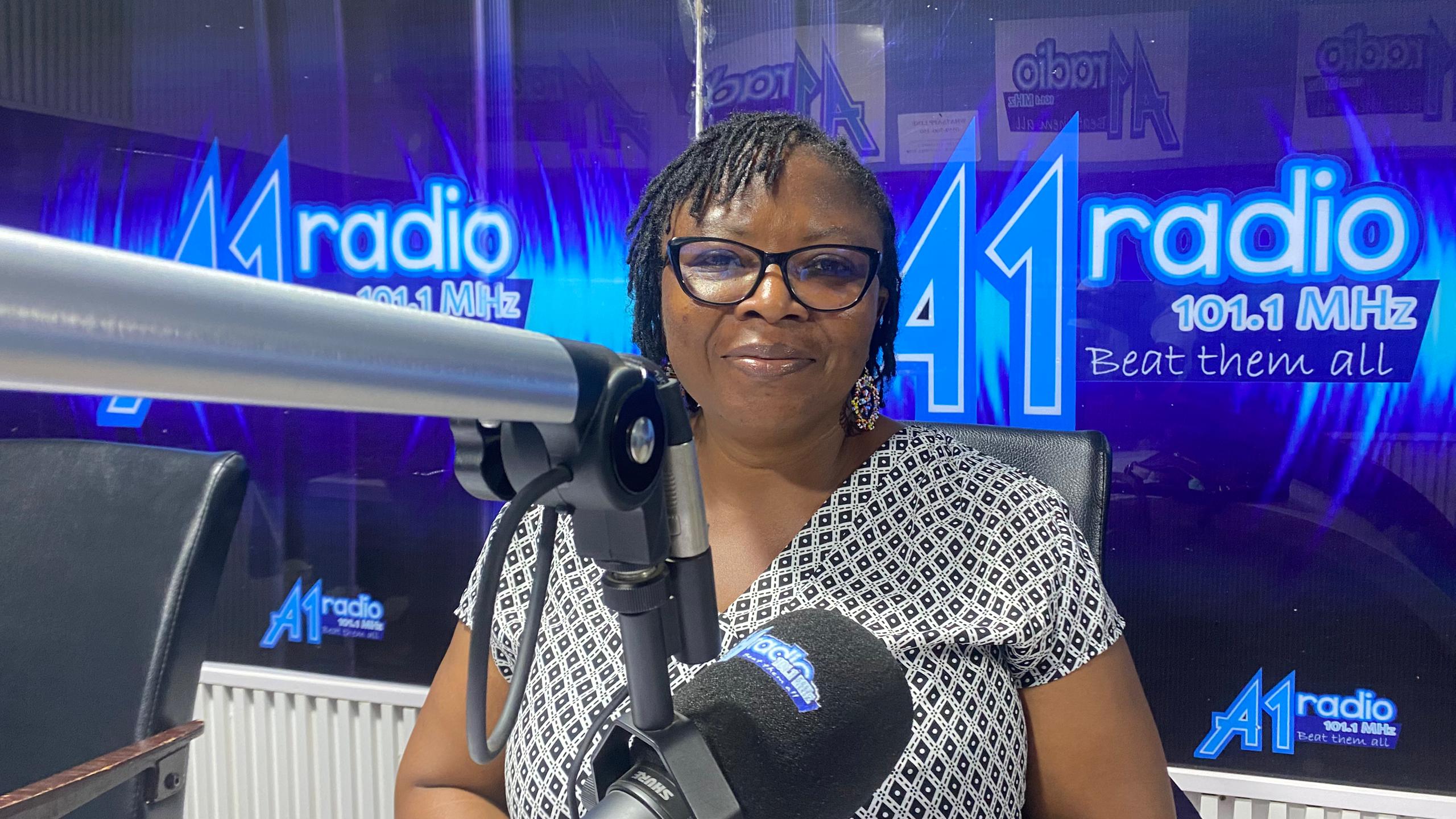
In an interview on Equal Voices, Georgina Aberese-Ako, the Upper East Regional Director of the Department of Children, outlined the growing pressures on young people and urged families to prioritize education despite the lure of quick earnings from mining.
Ms. Aberese-Ako said the department continues to face structural limitations, including the absence of district offices. “Whenever we move into a district, we rely on the District Assembly and local officers—gender officers or social welfare personnel,” she said. “The social welfare office is the one most people know because they interact with communities through programs like LEAP. We partner with these institutions so that when we leave, the work continues.”
Awareness of the department’s mandate, she added, is improving but incomplete. “We’ve trained Community Child Protection Committee members, so some people know about us, but it’s never 100 percent.”
The challenge is most visible in mining zones, where school dropout rates—particularly among boys—are rising. In Bawku West, Aberese-Ako recalled a striking moment: “During the BECE exams, my colleague was shocked to see only three boys in the exam hall. The rest were girls. Where were the boys? They had gone to the mining sites to look for gold.”
Across six districts, including Nabdam, boys who had left school openly explained their decision. “They boldly told us that the pen is heavier than the pickaxe,” she said. “Education takes years of effort, but with a pickaxe you can earn a lot in a single day.”
The consequences reach far beyond academics. The rush for fast income is driving drug use, teenage pregnancies, and child marriage. “Parents sometimes assume that if a girl becomes pregnant, she should marry the man responsible,” Ms. Aberese-Ako said. “Mining brings gold, yes, but it also brings serious social problems. Girls are dropping out, some are marrying too early, and boys are being pulled away from education.”
Ms. Aberese-Ako stressed that education remains the region’s strongest path to long-term security. “We don’t have industries or large farmlands. What we can rely on is education—staying in school, completing certificates, and securing good jobs. But our children often choose fast money over long-term success.”
She urged parents to build closer relationships with their children and watch for sudden changes in behavior. “If a child comes home and isolates themselves, ask questions. That is not the nature of your child. Why has the mood changed today?”
Many victims, she warned, stay silent because perpetrators threaten them. “They tell the child, ‘If you say a word, I will kill you.’ That fear traps the child. But if parents keep asking and keep probing, the child will eventually open up.”
Ms. Aberese-Ako also appealed directly to teenagers to seek guidance before making decisions that could derail their futures. “If your friend is doing something bad or using drugs, talk to them or confide in an older person who can help. Otherwise, you may be drawn into drugs or prostitution.”
She cautioned young people about the dangers of mining work. “Please, that is not your portion. Stay in school. Even if you work during holidays, protect yourself. The chemicals used in galamsey can destroy your lungs and leave you fighting for your life.”
The situation in the Upper East underscores a growing tension between immediate income and long-term opportunity—and the need for coordinated action to protect children. Aberese-Ako said safeguarding young people cannot fall on one department alone. It requires committed parents, supportive communities and responsive government agencies.
Her closing message was clear: “Stay in school. Stay safe. Protect your future.”
Source: a1radioonline.com|101.1Mhz|Keziah Porepeya Nsoh|Bolgatanga