
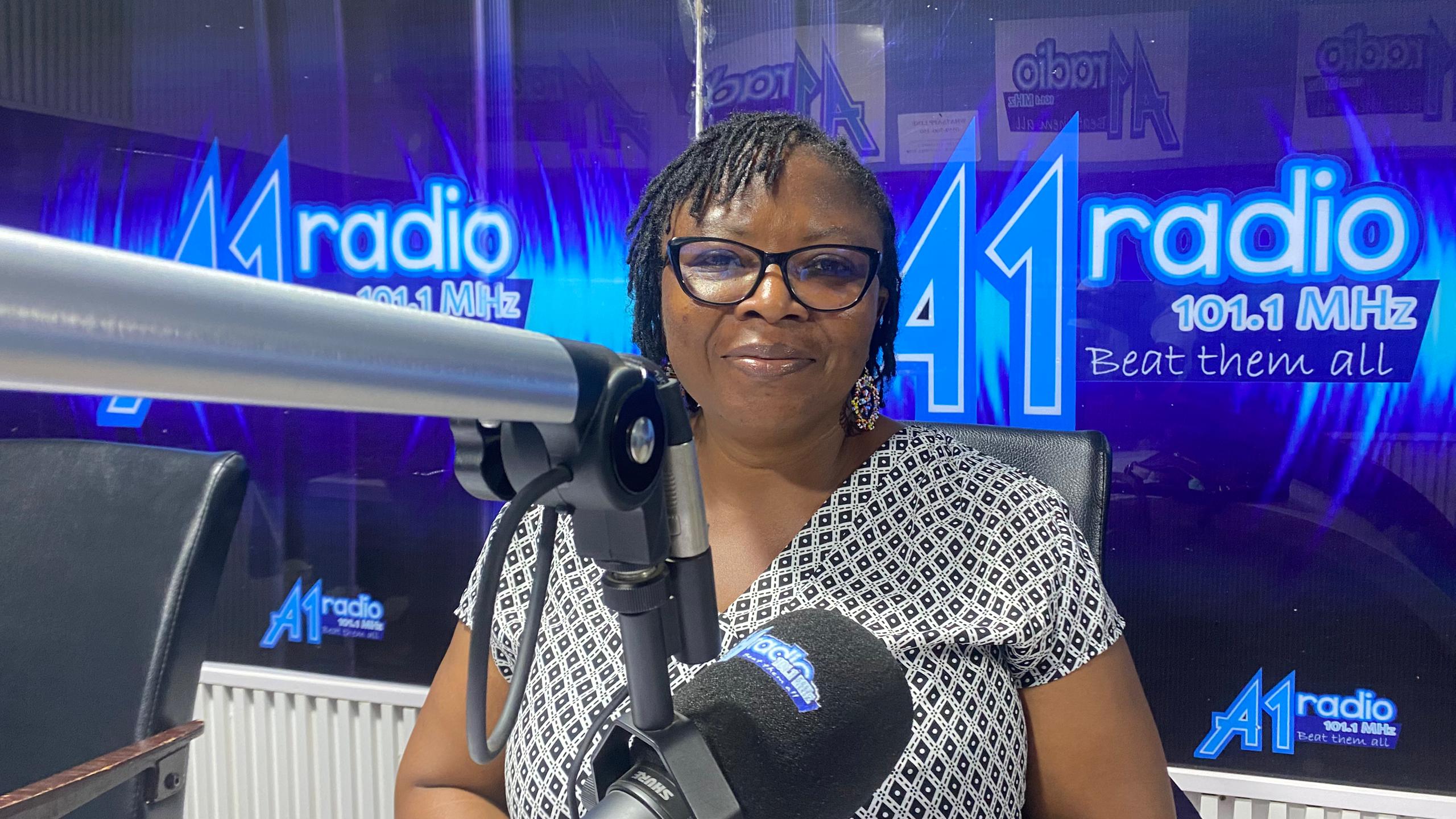
The Upper East Regional Directorate of the Department of Children is stepping up efforts to strengthen child protection systems, warning that critical gaps—particularly the absence of government-run shelters—continue to leave vulnerable children at risk. Regional Director Madame Georgina Aberese-Ako says the directorate is combining policy work, research, and grassroots advocacy to ensure every child in the region is protected and supported.
Madame Aberese-Ako noted that the directorate’s role goes beyond monitoring and implementing government policies. “During President Mahama’s administration, we monitored initiatives such as the distribution of sanitary pads and the Free Senior High School policy to ensure no child was left behind,” she said, emphasizing the need to safeguard the welfare of girls and other vulnerable groups who often face structural barriers.
In collaboration with UNICEF, the directorate developed the Child and Family Welfare Policy, which addresses gaps in existing laws and helps align Ghana’s protections with international standards, including the UN Convention on the Rights of the Child. Research conducted by the directorate found that many Ghanaians had limited understanding of these international conventions, underscoring the need for targeted public education and community engagement.
The policy outlines clear roles for government agencies, NGOs, the media, traditional leaders, and families. To support implementation at the community level, the directorate has developed toolkits containing games, flashcards, and activities to help both adults and children understand their rights and responsibilities.
“Advocacy and education are as important as enforcement,” Madame Aberese-Ako said. She added that the directorate provides counseling to abused children and their families to help them cope with the psychological and social effects of trauma.
Another cornerstone of their work is the Early Childhood Care and Development Policy, which focuses on children from birth to age eight. The policy stresses proper nutrition, early learning, and stimulating environments during the critical developmental years. Parents are trained to better support their children long before they enter formal school.
Despite progress, the lack of government-established shelters remains a major concern. “We have laws, policies, and advocacy, but without proper shelters, children at risk are still in danger. Government intervention is urgently needed to create these safe havens,” she said.
Madame Aberese-Ako emphasized that protecting children requires coordinated action among government institutions, civil society, the media, and local communities. The directorate, she said, will continue to lead research, drive policy development, and push for the systems needed to safeguard every child in the region.
Source: a1radioonline.com|101.1Mhz|Keziah Porepaya Nsoh|Bolgatanga