
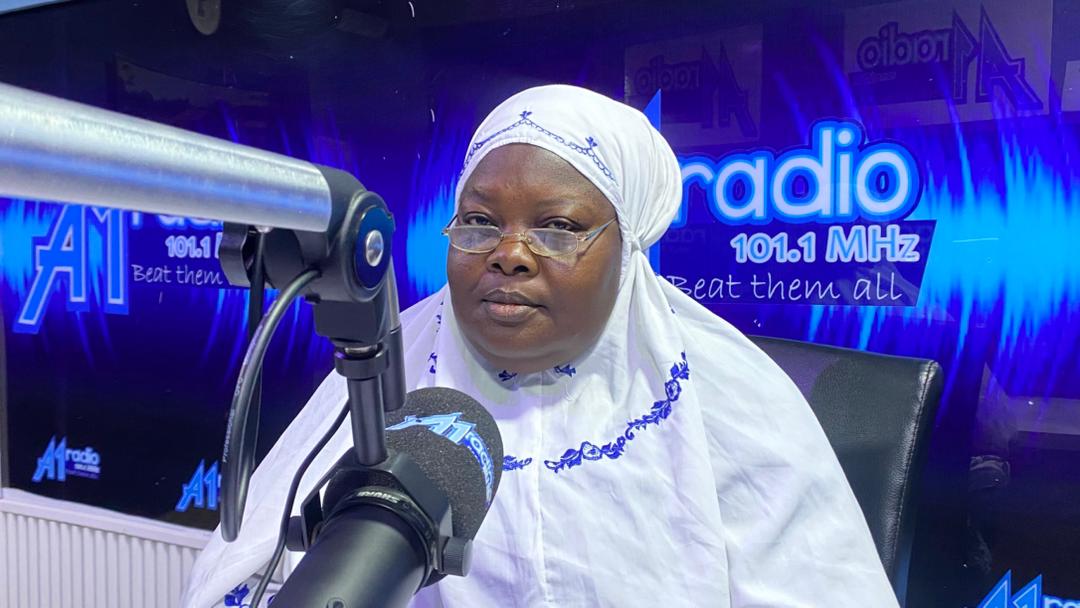
Hajia Lantana Osman, the Bolgatanga Municipal Director of Agriculture, says while women’s participation in agriculture has steadily increased, deep-rooted structural challenges continue to limit their full potential in the sector.
Speaking on Equal Voices on A1 Radio, Hajia Osman noted that women make up a significant proportion of the agricultural workforce but remain disadvantaged in accessing land, extension services, and other productive resources.
According to her, women constitute more than half of those engaged in agriculture, yet many actively involved in production are unable to benefit from extension services and critical support systems needed to improve productivity.
Hajia Osman, who has worked in the agricultural sector for over two decades, said she has collaborated with women across various communities since 2004. While she has observed improvements in women’s involvement over the years, she described the pace of progress as slower than expected.
To address some of these challenges, she said the Department of Agriculture has deliberately encouraged women to work in groups. This approach, she explained, improves their chances of benefiting from partnerships with NGOs and development organizations that often prefer engaging organized farmer groups.
“When women are in groups, those who are less privileged are supported by others within the same group. It also makes it easier for them to access credit and other services,” she said.
Despite these interventions, Hajia Osman identified land ownership as the most significant barrier facing women farmers. She explained that most women farm on borrowed or family land, making it difficult to secure permanent plots and invest in long-term agricultural activities. The challenge, she added, is more pronounced during dry-season farming, which requires irrigation, fencing, and higher capital investment.
Access to agricultural inputs also remains a major concern. While credit could help address input constraints, she said many women are reluctant to take loans due to high interest rates. Even when women manage to produce successfully, poor market access often undermines their profits.
“If a woman produces and cannot sell at a good price, she runs at a loss. When that happens, she is discouraged from farming again the next season,” she explained.
Despite the persistent challenges, Hajia Osman praised the resilience of women farmers, noting that many continue to farm not only as a livelihood but also as a contribution to household welfare and national food security.
Source: A1 Radio | 101.1Mhz | Keziah Porepeya Nsoh | Bolgatanga