
Property tax payment remains a major challenge for many property owners across Ghana, particularly in rural regions such as the Upper East Region, where limited economic opportunities and inadequate sensitization often affect compliance.
However, the Bolgatanga East District is gradually changing this narrative, recording a significant improvement in property tax collection due to flexible payment strategies and increased public cooperation.
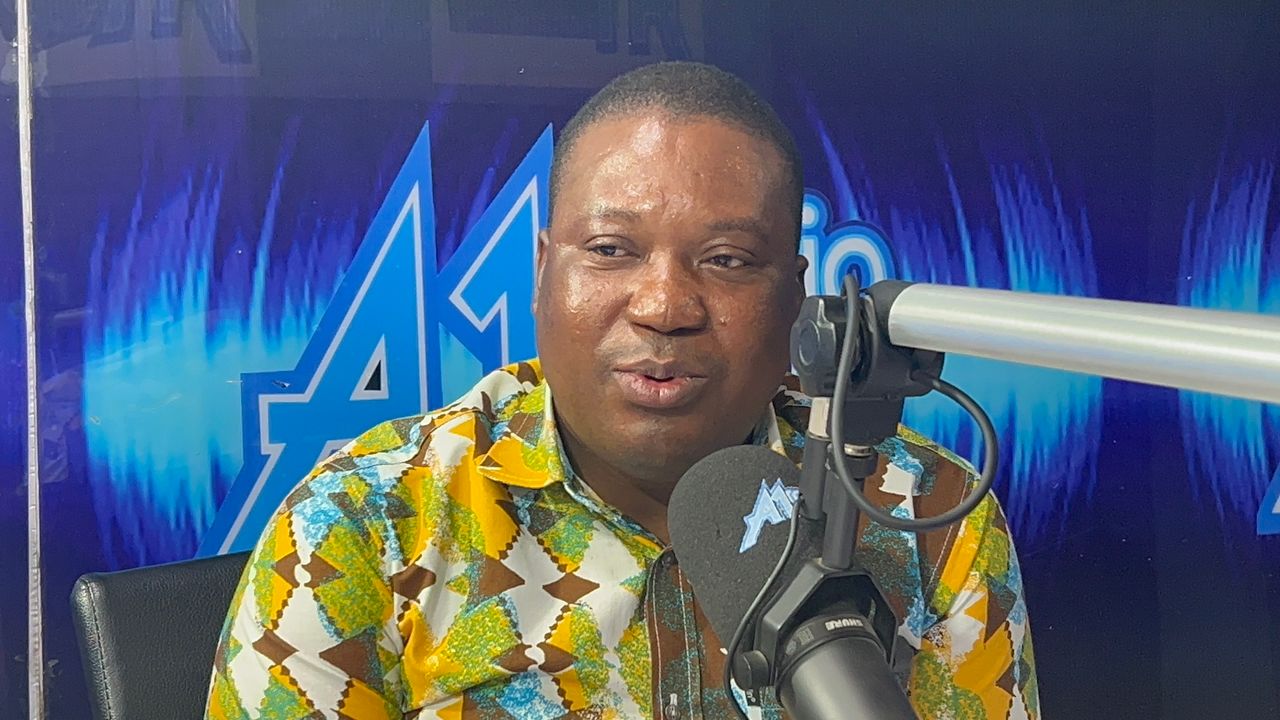
Speaking on A1 Radio, the District Chief Executive (DCE) for Bolgatanga East, Mr. Jacob Abugre Aka-Eri, revealed that the Assembly has experienced an unprecedented increase in Internally Generated Funds (IGF) from property rates.
According to him, as of December 31, the Assembly collected about GH¢254,000 in revenue, including property taxes—an achievement far exceeding previous records.
“Previously, our highest collection stood at GH¢147,000. But this time around, we moved from GH¢140,000 to GH¢240,000, and eventually GH¢250,000. That is more than a 60 percent increment,” Mr. Aka-Eri disclosed.
He attributed the success largely to the Assembly’s decision to make property tax rates more flexible and affordable, a move that encouraged voluntary compliance among residents. “It was the rate that discouraged people from paying. When we made it flexible, people started trooping to the Assembly on their own to pay,” he explained.
The DCE noted that property tax has become the backbone of the district’s IGF, especially due to the lack of major revenue-generating markets. Aside from the Timber Market, the district has no large, viable markets to significantly boost revenue. “It’s the property rate that is even helping us. In terms of markets, we don’t have much. At best, our annual revenue may peak around GH¢300,000,” he added.
Mr. Aka-Eri further explained that funds from the District Assemblies Common Fund are being strategically used to address critical development needs in the district. These include the construction of school blocks, a CHIPS compound at Kantia, and ongoing sanitation interventions.
Additionally, part of the Common Fund has been used to rehabilitate and complete the official bungalow for the District Coordinating Director—a facility the district previously lacked. “Our Coordinating Directors used to live far away, even as far as Navrongo, because we had no official residence,” he noted.
The Assembly is also rehabilitating its administrative block after structural defects were discovered. Mr. Aka-Eri recounted that during his confirmation, the ceiling in the Assembly hall was already falling apart.
“When we removed the POP ceiling, we realized the wooden framework was weak and wobbly. That was dangerous, so we had to take it off and redo the work properly,” he explained.
A1Radioonline.com|101.1Mhz|Moses Apiah|Bolgatanga