
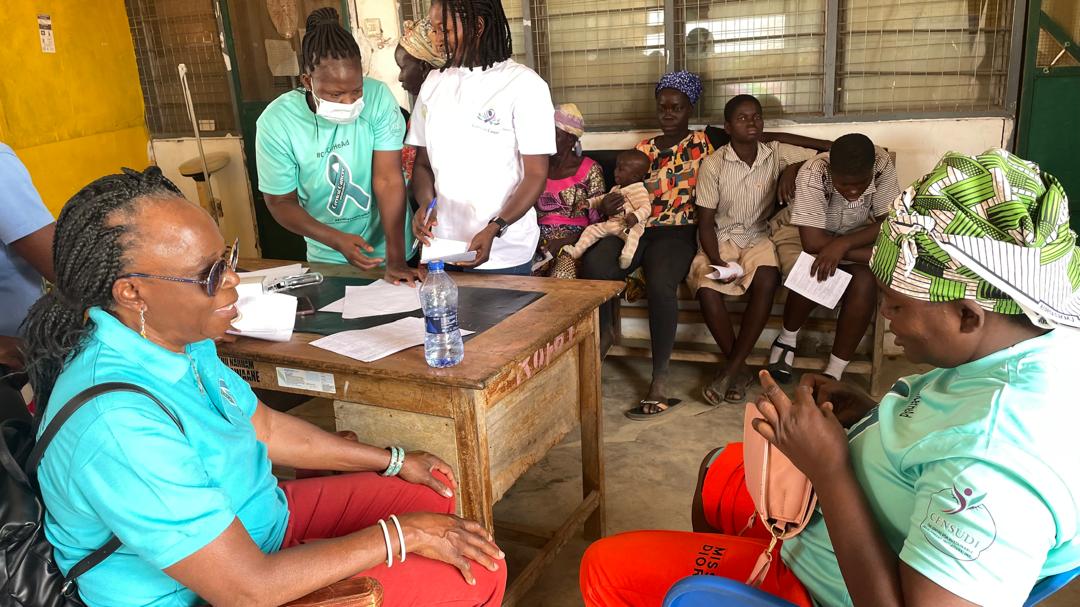
After surviving both breast and cervical cancers, Franciska Issaka, President of the Center for Sustainable Development Initiatives (CENSUDI), has organized a free breast and cervical cancer screening exercise for women in the Nabdam District of the Upper East Region.
The screening exercise began at the Nyogbare Community-based Health Planning and Services (CHPS) compound on 18th February and continued at Kotintaabig CHPS on 20th February, targeting women who struggle to access such services due to cost and distance.
Speaking during the exercise, Ms. Issaka said the initiative is driven by the organization’s mission to strengthen communities by supporting women and girls, who she noted make up a significant portion of the population. She explained that cervical cancer remains a major threat to women in Ghana despite being preventable.

“Cervical cancer is a silent killer. It is the second most common cancer among women in Ghana after breast cancer, yet it is preventable. We should not wait for our women to die when we can screen and prevent it,” she said.
Ms. Issaka, who described herself as both a survivor of breast cancer and a “previvor” of cervical cancer, said her personal experience motivated her to bring screening services closer to rural communities. She recounted how routine screening years ago helped doctors detect abnormal cells early, allowing her to receive treatment before the disease could develop further. Decades later, she also survived breast cancer, strengthening her resolve to help other women seek early detection.
According to her, the exercise is being supported by individual donors who have been moved by her story and the work of the organization to give. She noted that although screening at the regional hospital costs about 50 cedis, many women in remote communities cannot afford transportation or the waiting time involved, making outreach services necessary.

“We want to take the screening as far as possible to the remote communities so that women do not die from something that can be prevented,” she added.
The initiative is also focusing on young girls who may have missed the recent HPV vaccination campaign. Ms. Issaka said the long-term goal is to help reduce cases of cervical cancer in the district and eventually across the Upper East Region.
The President of CENSUDI said the exercise in Nyogbare and Kotintaabig are a pilot phase, with plans to extend similar screenings to other communities in the district and across the Upper East Region in the future.
Oncology Nurse Specialist and Head of the Cancer Screening Unit at the Upper East Regional Hospital, Roger Tandanbil, explained that cervical cancer affects the cervix, the lower part of the womb, and is caused by repeated infections with certain variants of the human papillomavirus (HPV) during sexual intercourse. He emphasized that many women do not show symptoms in the early stages, making regular screening crucial for early detection and treatment.
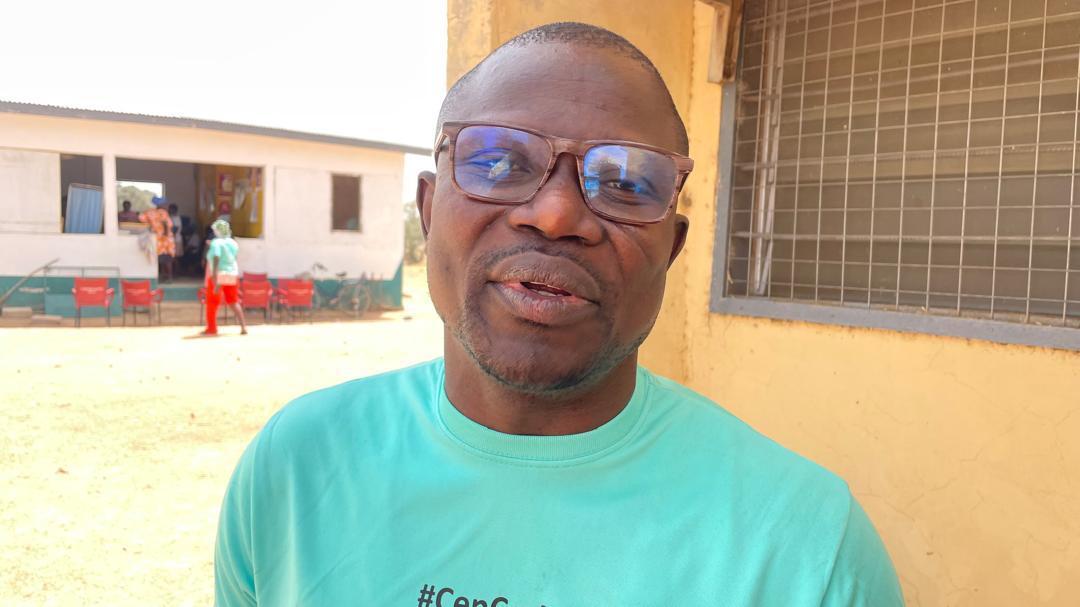
According to him, preliminary data from the screening at Nyogbare showed that out of 85 women screened, seven had abnormal pre-cancerous lesions that could be treated, while one case required further medical tests.
“If we detect abnormal cells early, we can treat them before they develop into cervical cancer. That is why screening is very important,” he said.
Mr. Tandanbil also encouraged women to take advantage of screening opportunities and urged men to support their wives and relatives to participate in such health interventions.
The District Chief Executive for Nabdam, Francis Tobig, who attended the exercise, commended the organizers for bringing the service to the district. He noted that the initiative would help detect health conditions early and improve confidence among residents who undergo testing.
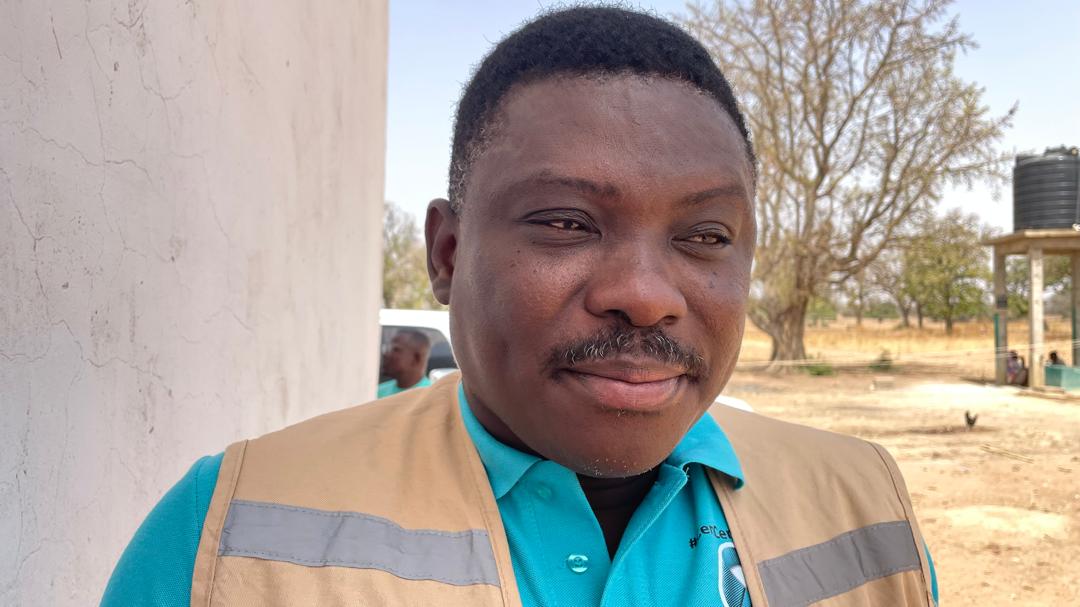
“This exercise will help our district a lot because many people do not usually go for testing on their own. Prevention is better than cure,” he said.
Mr. Tobig added that Nabdam is considered one of the poorest districts in the country, making free health interventions like the screening timely and beneficial to residents who may not be able to afford such services.
A1 Radio | 101.1Mhz | Joshua Asaah | Kotintaabig