
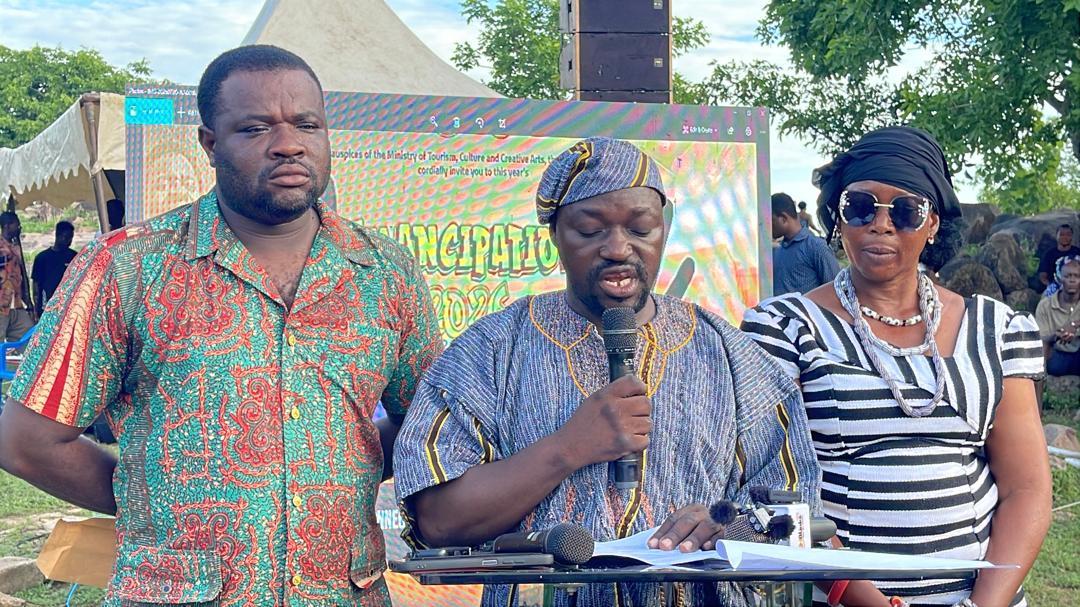
The Chairman of the Paga Youth Movement (PAYOM), Wenawome Duriyem Aborah, has called on the government to reform recruitment into public institutions by refunding application fees to unsuccessful candidates or limiting recruitment exercises to the actual number of vacancies available.
Speaking at the 2026 Emancipation Day Celebration held at the Pikworo Slave Camp in Nania-Paga, Mr. Aborah said many young graduates are being subjected to financial hardship through recruitment processes that require application fees despite only a fraction of applicants securing employment.
He noted that thousands of graduates from universities, colleges of education, nursing and midwifery training institutions, technical and vocational schools prepare to join public institutions, including the Civil Service, Ghana Education Service, Ghana Health Service and the security services, only to face repeated disappointment.
“Recruitment advertisements are issued, application fees are collected from applicants, and in many cases the number of applications invited is several times more than the actual vacancies available,” he said.
While acknowledging that public sector recruitment is naturally competitive, Mr. Aborah argued that unsuccessful applicants should not be left to bear the financial burden of the process.
“For countless young people, this process becomes another cycle of disappointment and hardship,” he stated.
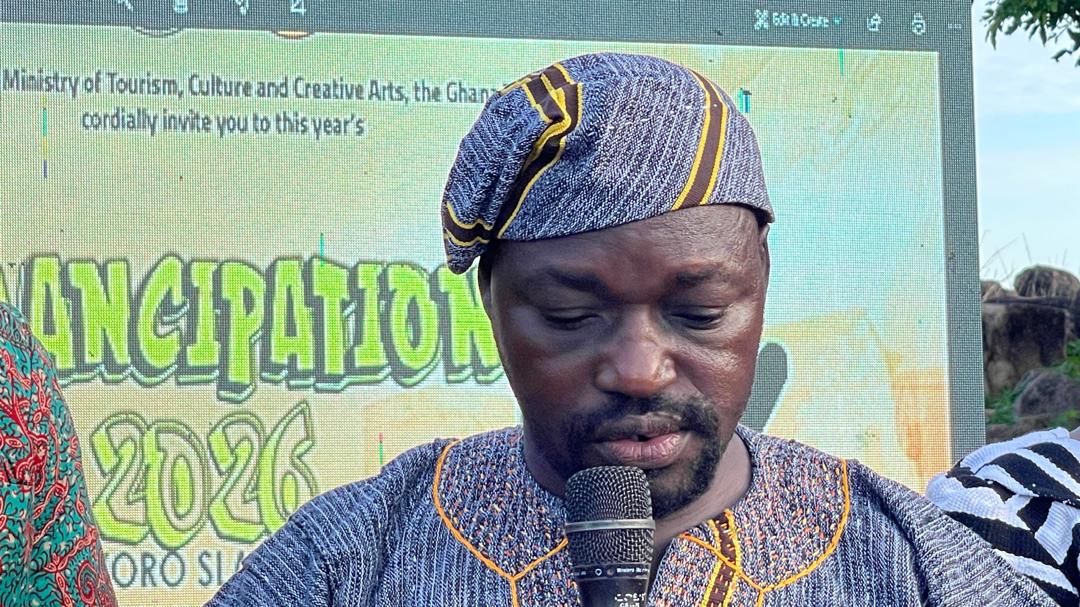
He urged government and public institutions to review existing recruitment practices to ensure greater transparency and fairness.
“We respectfully call on Government and all public institutions to review these recruitment practices. Where application fees are charged, mechanisms should be considered to ensure transparency and fairness, including exploring ways to refund unsuccessful applicants or limiting recruitment to realistic vacancy numbers,” he appealed.
The PAYOM Chairman further proposed that government should absorb the cost of application fees for recruitment into public institutions by making budgetary allocations for the exercise.
“The Government has access to recruitment projections and should therefore budget based on the number of vacancies to be filled, ensuring that the approved number of applicants is ultimately recruited into those positions,” he said.
Mr. Aborah also called for stronger enforcement of labour laws to protect workers in the private sector, saying employers should provide fair salaries, benefits and decent working conditions.
Addressing broader youth challenges, he described unemployment, human trafficking and unsafe migration as modern forms of slavery, warning that many young Ghanaians are risking dangerous journeys abroad due to a lack of opportunities at home.
“As we gather at a former slave camp, we cannot remain silent while another generation is being trapped by exploitation, deception and economic desperation,” he said.
He urged government, traditional authorities, civil society and religious leaders to strengthen efforts to dismantle human trafficking networks, regulate labour recruitment agencies and create sustainable employment opportunities for young people.
Mr. Aborah also appealed for increased investment in tourism and heritage conservation, describing the Pikworo Slave Camp as an important economic asset capable of creating jobs if properly developed. He called on government to complete and operationalise the Agenda 111 Hospital project in Paga and address persistent water supply challenges in the community.
The 2026 Emancipation Day celebration was held under the theme “Reconnecting Roots, Celebrating Freedom, Experience Ghana,” bringing together traditional leaders, government officials, members of the African diaspora and other stakeholders to commemorate the resilience of Africans and promote cultural heritage and development.
A1Radioonline.com|101.1Mhz|Joshua Asaah|Pikworo