
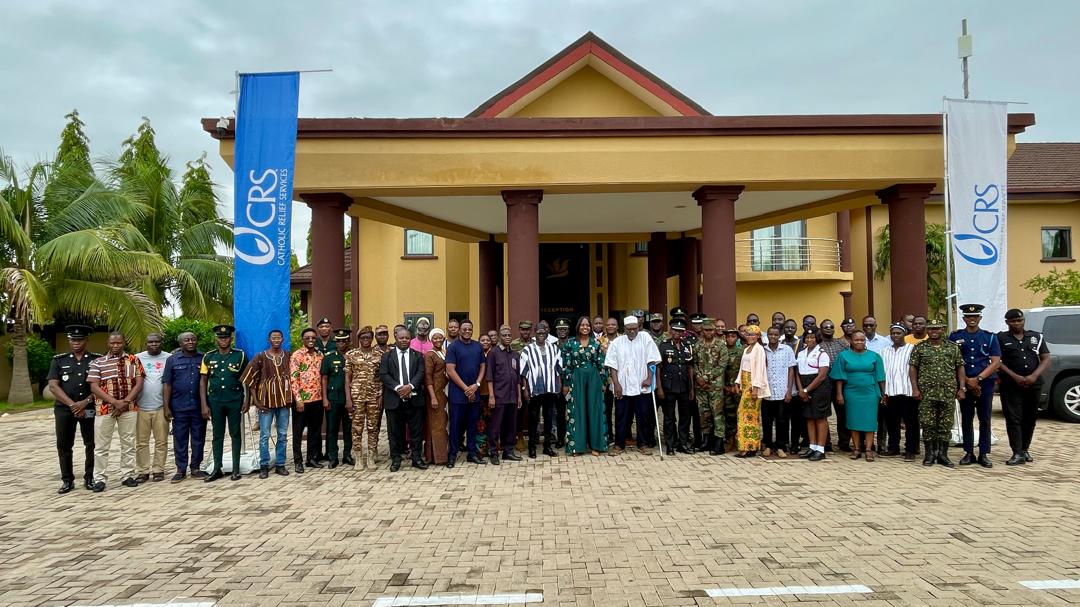
A new study by Catholic Relief Services (CRS), in collaboration with the National Peace Council, has identified youth unemployment, poverty, limited educational opportunities, substance abuse and perceptions of weak governance as the leading factors increasing the vulnerability of communities in northern Ghana to violent extremism.
The findings were presented at a high-level dissemination workshop in Bolgatanga, bringing together government officials, security agencies, traditional and religious leaders, civil society organisations and development partners to discuss strategies for preventing violent extremism.
The research, conducted under the Prevention of Violent Extremism through Social Accountability (PoVETSA II) Project, covered 30 communities in 10 districts across the Northern, North East, Savannah, Upper East and Upper West regions.
According to the study, 86 percent of respondents identified youth unemployment as the greatest driver of vulnerability, underscoring the link between economic exclusion and insecurity.
The research also found that unresolved land disputes, ethnic tensions and other local conflicts remain the most common forms of violence experienced by communities, while women, Fulbe communities and other marginalized groups bear the greatest burden of conflict and social exclusion.
Although respondents generally expressed confidence in Ghana’s security institutions, many admitted they were reluctant to report suspicious activities because of fear of reprisals and concerns over confidentiality, highlighting the need to strengthen trust between communities and security agencies.
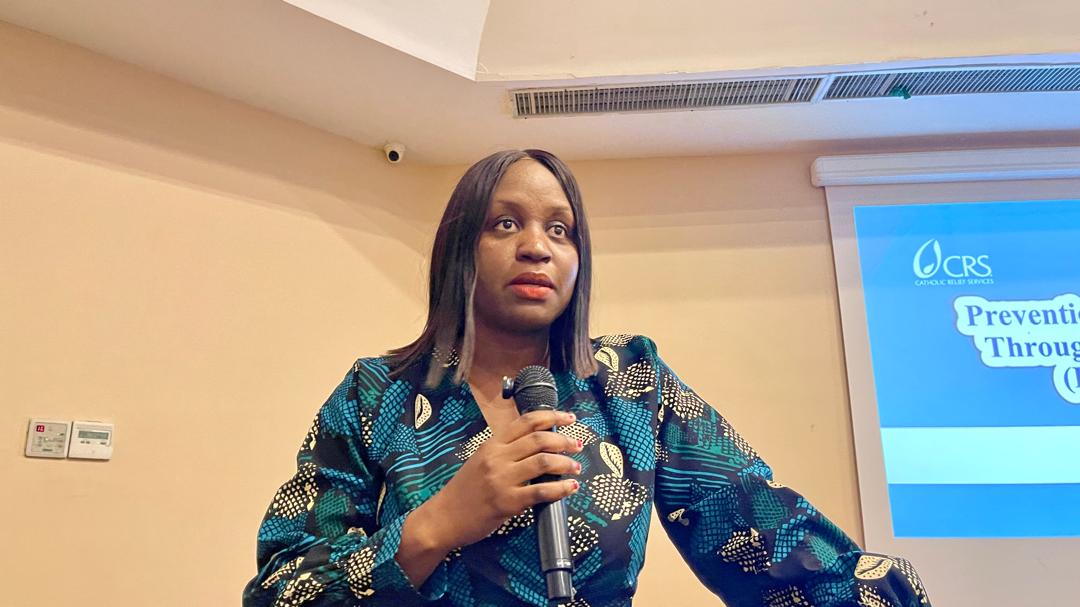
Project Manager of CRS Ghana, Adelaide Yiriyelleh, said addressing violent extremism requires tackling the conditions that make communities susceptible to recruitment by extremist groups.
“By investing in young people, strengthening accountable governance, creating economic opportunities, and building trust between communities and institutions, we can address the root causes of vulnerability and help preserve the peace that Ghana enjoys today,” she said.
The study also identified strong family systems, traditional and religious leaders and trusted community institutions as important resilience factors that should be integrated into peacebuilding and prevention strategies.
Board Chairman of the Upper East Regional Peace Council, Alhaji Sumaila Issaka, called for stronger collaboration among government, security agencies, civil society organisations, traditional authorities and local communities.
“Sustaining Ghana’s peace requires strong partnerships among government, security institutions, civil society, traditional authorities and communities. By fostering dialogue, addressing grievances early and building trust between citizens and institutions, we can strengthen resilience and prevent the conditions that allow violent extremism to take root,” he stated.
Opening the workshop, Upper East Regional Minister Donatus Akamugri Atanga described violent extremism as not only a security concern but also a governance, development and human security challenge requiring coordinated action.
He noted that although Ghana has remained largely insulated from terrorist attacks, the country’s proximity to the unstable Sahel region demands vigilance and proactive interventions.
“The Upper East Region’s strategic location along Ghana’s northern frontier places upon us a special responsibility to remain vigilant while strengthening collaboration among government, security agencies, traditional and religious leaders, civil society, development partners and our communities,” he said.
Mr. Akamugri stressed that lasting peace depends on inclusive development, accountable governance and addressing the root causes of vulnerability before extremist groups exploit them.
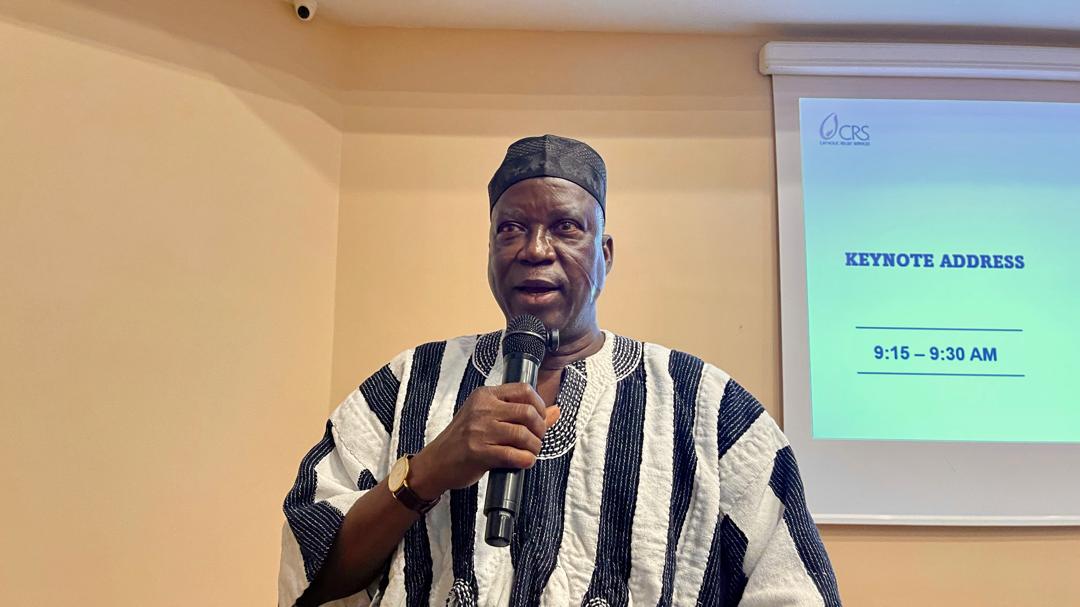
He urged stakeholders to regard the research findings as a strategic policy guide rather than just another report.
“I therefore urge all stakeholders to regard this report not merely as another research publication, but as a strategic policy resource whose recommendations should guide our peacebuilding, governance, youth empowerment and development interventions,” he said.
The Regional Minister further emphasized that investing in education, youth empowerment, entrepreneurship, social protection and women’s participation in peacebuilding remains one of the most effective ways to prevent violent extremism.
Participants at the workshop recommended expanding youth employment opportunities, strengthening inclusive governance, improving early warning systems, enhancing community-security dialogue and increasing the participation of women and marginalized groups in peacebuilding processes.
The PoVETSA II project is funded by the Netherlands Ministry of Foreign Affairs and implemented by Catholic Relief Services in partnership with the National Peace Council and other stakeholders to strengthen community resilience, promote social accountability and support locally driven approaches to preventing violent extremism in Ghana.
A1Radioonline.com|101.1mhz|Joshua Asaah|Bolgatanga