
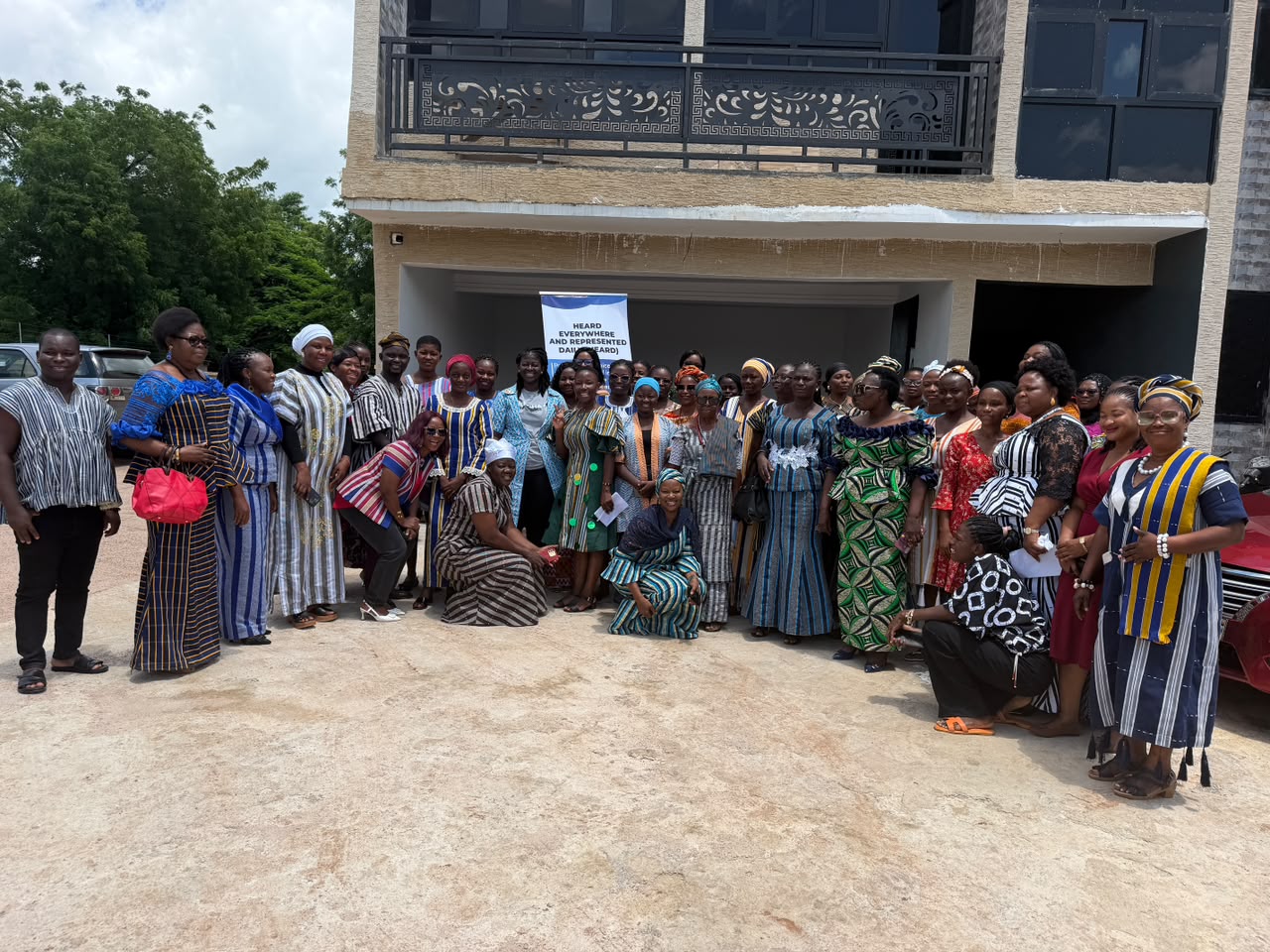
Stakeholders in the Upper East Region have been urged to make advocacy for Ghana’s Affirmative Action (Gender Equity) Act, 2024 (Act 1121), a continuous effort to increase women’s participation in leadership and decision-making. The call was made by the Head of Programmes at RISE-Ghana, Jaw-haratu Amadu, at an Annual Women Convening held in Bolgatanga on Wednesday, August 5, 2026.
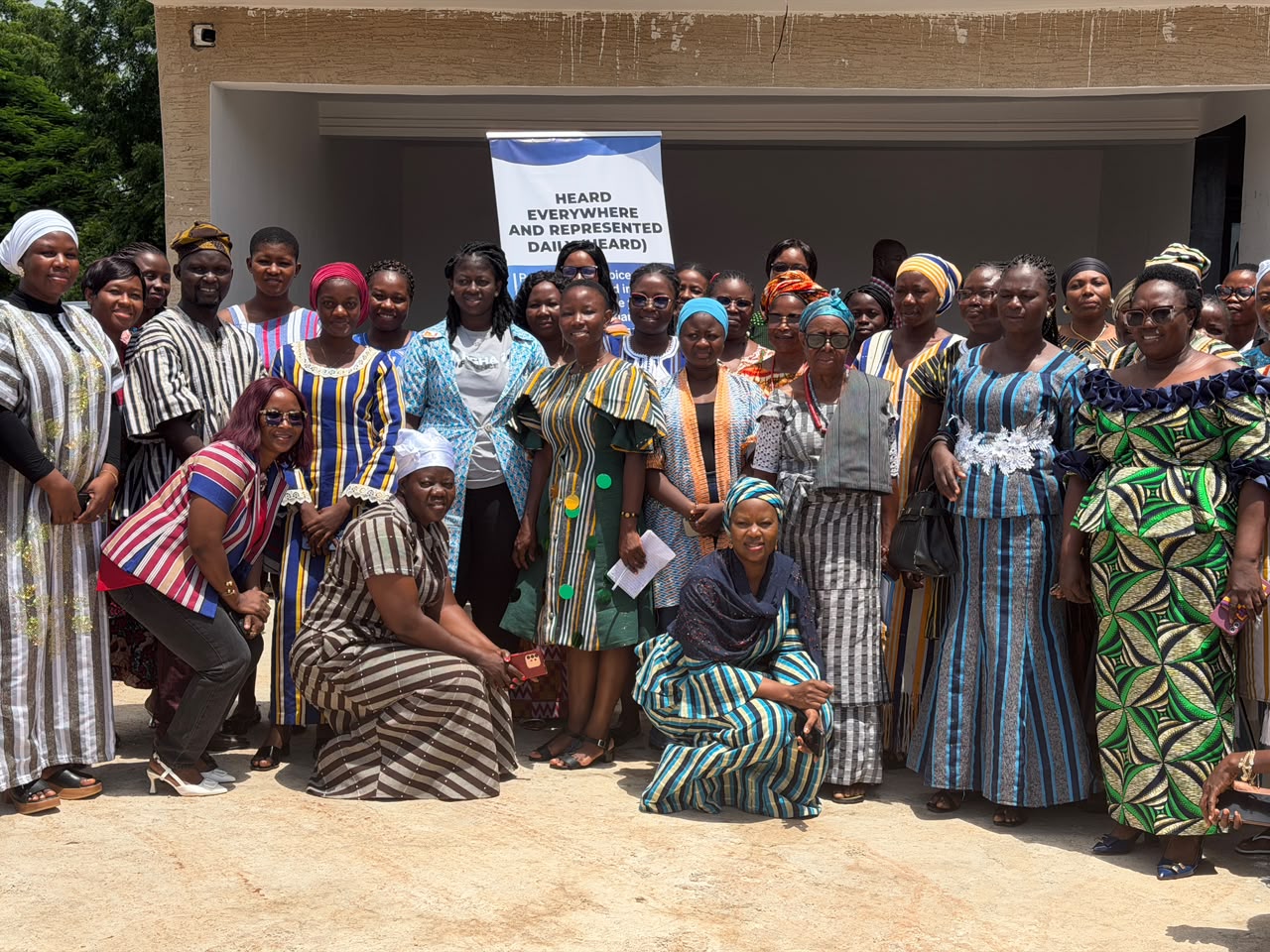
The engagement, organised under RISE-Ghana’s Heard Everywhere and Represented Daily (HEAD) initiative with support from NORSAAC, brought together women from the public and private sectors, traditional institutions, civil society organisations and community leadership to discuss the implementation of the Affirmative Action Act in the region.
Ms. Amadu said the law should not only be discussed during organised programmes but should become part of everyday advocacy and stakeholder engagements.
“The purpose of today’s sensitization workshop is to educate stakeholders on the Affirmative Action Act and the responsibilities expected of all of us in promoting and implementing it,” she said.
“We believe advocacy for the Act should become an everyday responsibility. Every opportunity we have, every meeting we attend and every gathering we organise should be used to raise awareness about the law and encourage its implementation.”
According to her, increasing women’s representation in decision-making is essential to strengthening leadership and promoting sustainable development.
She, however, expressed concern over what she described as a misunderstanding of the Act’s requirement for women’s representation in decision-making structures.
Ms. Amadu said some institutions combine figures from different departments or institutions to claim they have achieved the required 30 percent representation.
“The law requires that women occupy at least 30 percent of decision-making positions. However, some institutions combine figures from different departments or institutions and claim they have met the target overall. That is not the intention of the law,” she explained.
She called on institutions to ensure that women constitute at least 30 percent of their own decision-making structures rather than relying on cumulative figures from different institutions.
Ms. Amadu described the misinterpretation of the law as one of the challenges affecting its effective implementation and urged stakeholders to take steps to ensure full compliance with its provisions.
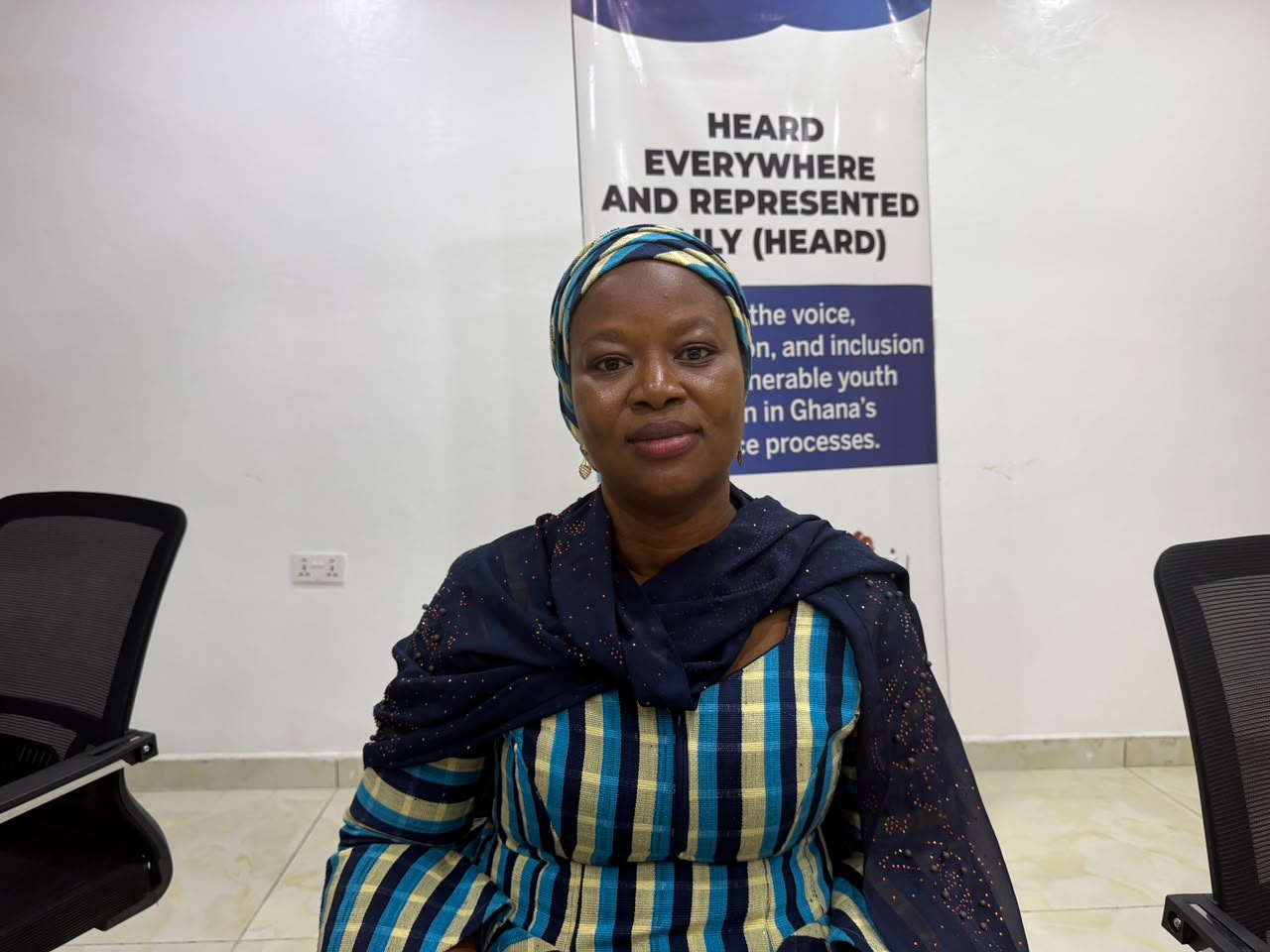
A participant at the programme and President of the Women’s Fellowship of the Presbyterian Church of Ghana, Upper Presbytery, Philomena Akandem, also encouraged women to invest in education, skills development and continuous learning to prepare themselves for leadership opportunities.
She said engagements of this nature provide women with opportunities to interact, exchange ideas and learn from one another.
“As an individual, it has been very beneficial because I have come to meet great women of different calibers to share ideas. You can’t claim to know it all. During these gatherings, we can share, learn from one another, and support women in general,” she said.
Ms. Akandem identified societal acceptance as one of the major challenges confronting women seeking leadership positions.
She said women are sometimes judged based on their gender rather than their abilities and called for greater recognition of their capacity to contribute to leadership and development.
She also stressed the need for women to pursue leadership based on competence.
“You need to empower yourself so that when an opportunity comes, you are selected not because you are a woman, but because you have the competence to perform,” she said.
Ms. Akandem urged women to acquire the knowledge, skills and experience required to take advantage of opportunities and contribute meaningfully to decision-making at all levels.
The Affirmative Action (Gender Equity) Act, 2024 (Act 1121) seeks to promote gender equity and increase women’s participation and representation in leadership and decision-making structures. Participants at the convening said sustained advocacy, mentorship, networking and collaboration among stakeholders would be critical to translating the provisions of the law into greater representation of women in leadership across the Upper East Region.
A1Radioonline.com|101.1Mhz|Mary Aperiga|Bolgatanga