
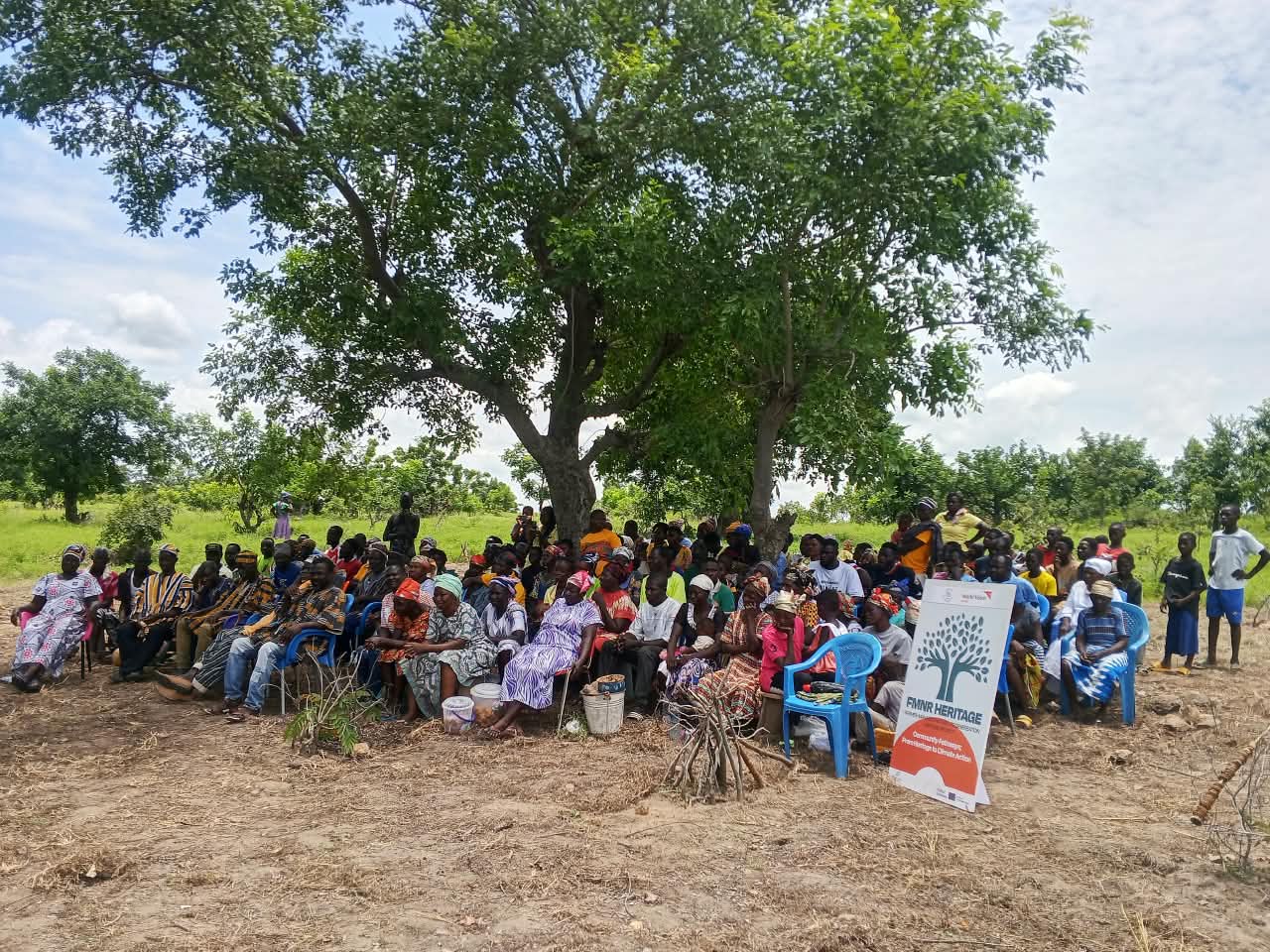
World Vision Ghana and the European Union have inspected Farmer Managed Natural Regeneration (FMNR) project sites in the Nabdam and Talensi districts of the Upper East Region to assess progress and observe community-led efforts to restore degraded landscapes.
The inspection began in Nabdam, where the FMNR Heritage Project was introduced this year, before the delegation proceeded to Talensi. There, community members showcased the progress of the FMNR work, which has been practised in the area since 2009 and has resulted in more established trees and vegetation.
The project is funded by the European Union through the European Forest Institute under the Sustainable Forest and Cocoa Programme, with World Vision Ghana and local partners, including the Centre for Community Development Initiatives (CODI), involved in implementation.
Patience Padikie Olesu Adjei, Program Manager for Natural Resources at the European Union, said the visit was aimed at assessing the progress of the project and identifying areas where additional support or changes might be necessary.
“I have been sent by the European Union office in Accra to come and engage with you to understand how the project is going and if there is anything that we need to add or something that we need to change,” she said.
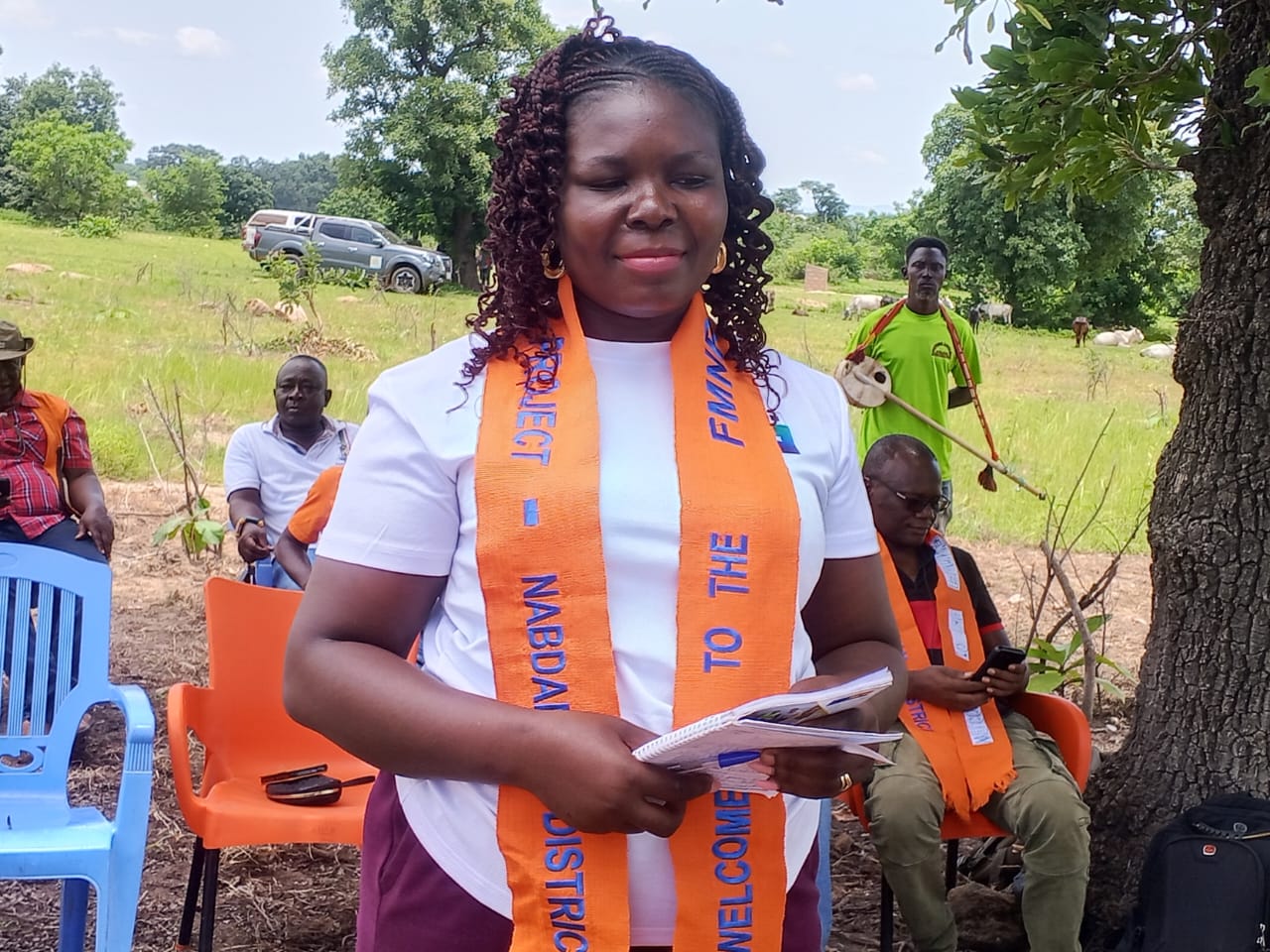
She said the communities possessed valuable knowledge of their environment which could complement the expertise of development partners.
“We know that you have been here for a long time and you have a more in-depth knowledge about the environment, and you can also transfer some of your knowledge to add to ours, and then together we can restore the environment,” she said.
In Nabdam, beneficiary Abigail Nabzoh from Sekoti said training under the project had equipped farmers with knowledge in compost manure preparation, helping them reduce their dependence on purchased fertiliser at a time when its cost had become difficult for farmers.
“The important thing is that it has broadened our knowledge, especially in manure preparation. This year, the cost of fertilizer was not easy. But with the help of World Vision, when they trained us on compost manure, we were able to prepare our own manure to apply on part of our farm,” she said.
She said the intervention had made a difference to farmers and appealed for support with small ruminants to provide women with an additional source of livelihood.
“That has helped us this year. We did not buy fertilizer like we used to buy,” she said. “Here, the poverty rate is high. And most of our women, especially, do go for greener pastures. So when they help us with small ruminants, it will help most of the women.”
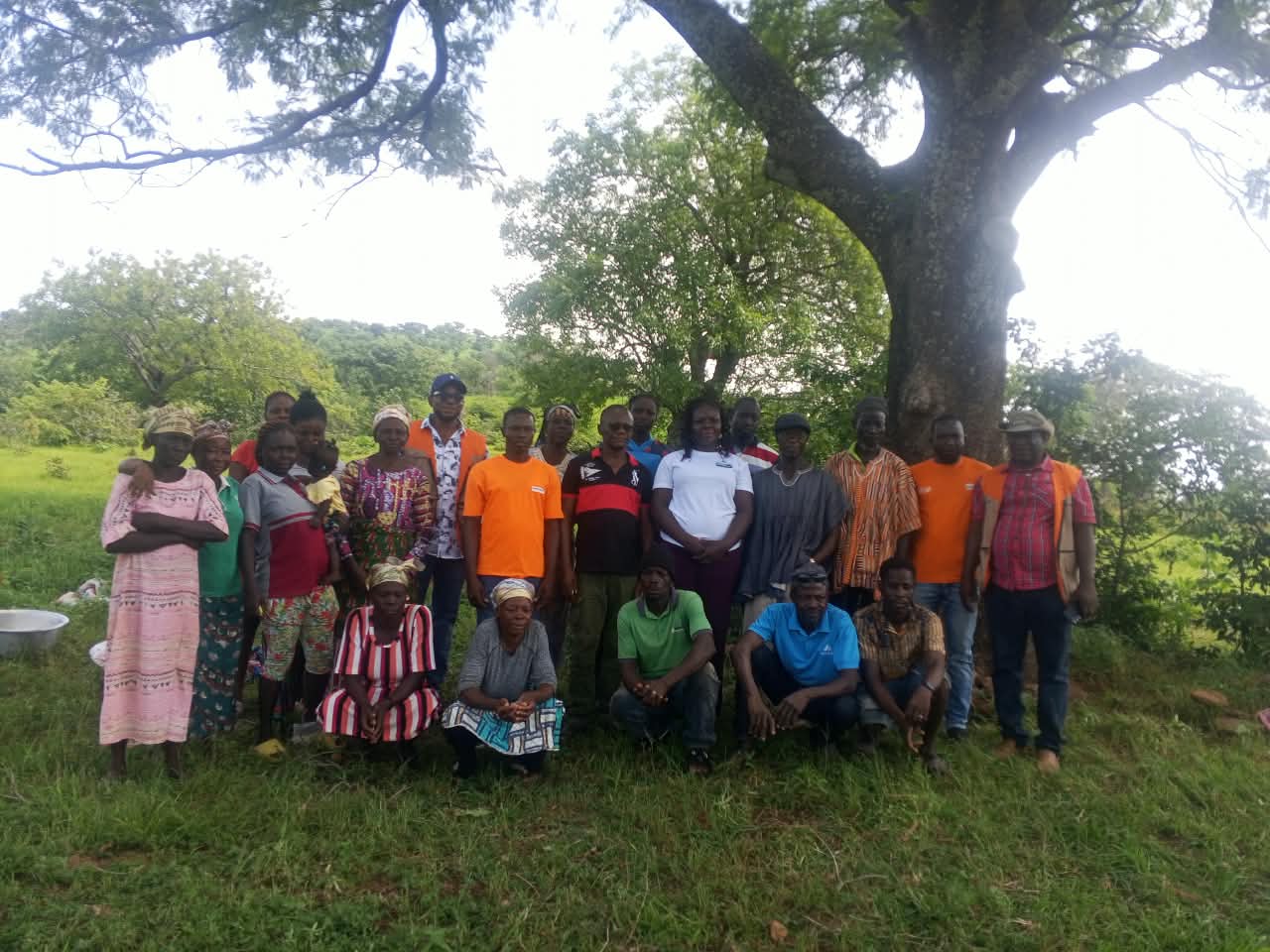
In Talensi, Samuel Bantang, Secretary for Lead Farmers of FMNR in Yameriga, said the community had developed bylaws to protect the forest, including fines for people who fell trees. He said the chief was aware of and supportive of the measures.
Bantang said the community had also rejected attempts to use the forest reserve for mining and other developments, including a proposed hotel, because of its commitment to preserving the area. He said the community’s conservation efforts had earned recognition through awards, while members had travelled to countries including Mali and Burkina Faso to learn from similar conservation initiatives.
He added that the experience had attracted people from other communities who visit Yameriga to learn from its approach to forest protection.
The inspection provided an opportunity to assess the newly introduced intervention in Nabdam while witnessing the progress and longer-term results of FMNR in Talensi, where the approach has been sustained since 2009.
A1 Radio|101.1 MHz|Simon Ayamdoo|Gbane