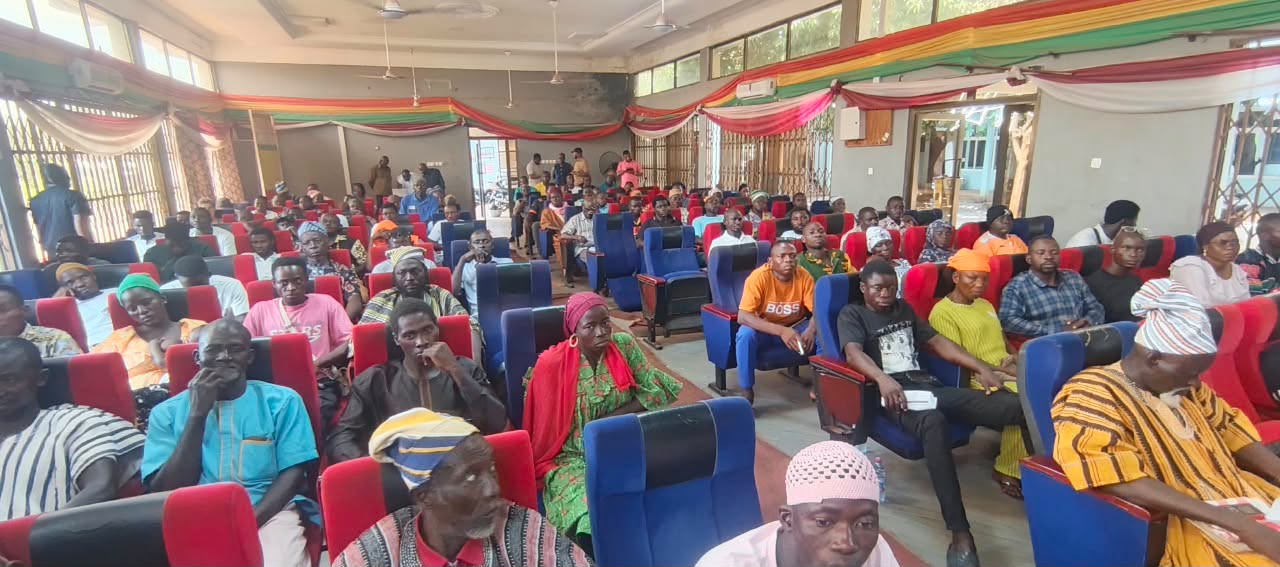
One hundred communities in the West Mamprusi Municipality of the North East Region are expected to receive US$8,000 each to implement development projects they identify and prioritise themselves.
The US$800,000 intervention forms part of the Ting Labginsim Project, a community-driven initiative being implemented by Advocates for Community Alternatives (ACA) in partnership with Spark MicroGrants Ghana, Water and Sanitation for the Urban Poor (WSUP) and the West Mamprusi Municipal Assembly.
The Municipal Assembly is also expected to provide US$400 in counterpart funding for each beneficiary community, amounting to an additional US$40,000.
The project uses the Facilitated Collective Action Process (FCAP), which allows residents to identify their development priorities, mobilise around them and engage duty bearers rather than having projects selected for them.
Director of Community-Driven Development at ACA, Nana Ama Nketia-Quaidoo, said the approach is based on the belief that communities already possess knowledge and capacity to address many of their challenges when given the necessary support.
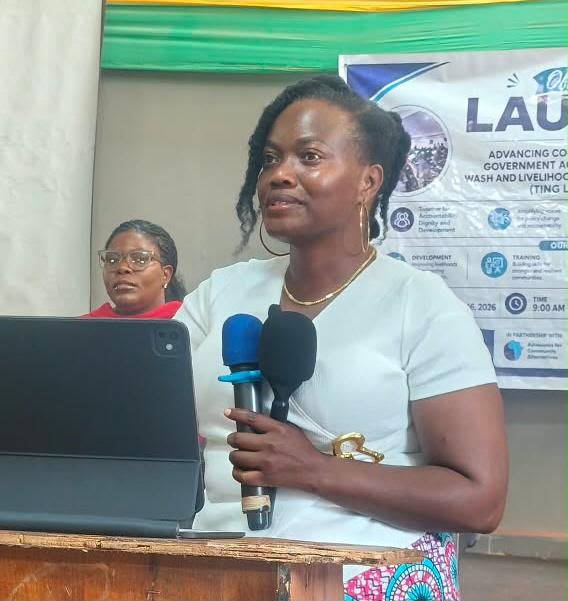
“We do not come to communities saying: ‘We know what you need.’ Instead, we ask: ‘What is important to you? What do you want to change? What can you do together, and how can we support you to achieve it?’”
The rollout began on September 14, 2026, with an initial 50 communities expected to meet weekly to develop their visions, identify priorities and plan interventions. Another 50 communities are expected to join the programme at the beginning of 2027.
Nana Ama Nketia-Quaidoo said the process would move through three phases: community planning and visioning, implementation and advocacy, and post-implementation.
“ACA will facilitate, the Assembly will support, our partners will contribute, but the communities must lead. This is how we move from dependency to ownership.”
The Municipal Chief Executive for West Mamprusi, Mohammed Rabiyu Jabaah, welcomed the initiative and pledged the Assembly’s support for its implementation.
Country Director of Spark MicroGrants Ghana, Ann Squire, said the project would deliberately involve women, young people and groups that are often excluded from community decision-making.

“The people closest to a problem are also closest to its solution.”
The project will focus on water, sanitation and hygiene (WASH), livelihoods and accountability between citizens and government.
Mrs Squire said success would not be measured solely by the number of projects completed, but also by whether communities continue meeting, planning and engaging authorities after the intervention ends.
Seven schools, seven communities targeted for WASH support
As part of the intervention, WSUP Ghana will provide technical support for water and sanitation projects in schools and communities.
Country Manager of WSUP Ghana, Frank Kettey, said digital mapping of water and sanitation infrastructure had already been conducted across the municipality to identify functioning facilities and gaps in service delivery.
At least seven basic schools are expected to receive WASH facilities, while water supply extensions are planned for at least seven communities.
Mr Kettey said the project would also strengthen women’s participation in decisions on water and sanitation, noting the burden women often bear when communities lack reliable access to water.
He cautioned, however, that constructing new infrastructure would not be the most difficult part of the intervention.
“The infrastructure part is the easier part.”
According to him, assessments have identified existing water and sanitation infrastructure that is no longer serving its intended purpose, making the long-term maintenance of new facilities an important component of the project.
ACA said the West Mamprusi intervention builds on its experience working with 107 communities in Fanteakwa South, Nkoranza South, Abuakwa South and Atiwa West, where communities implemented projects including schools, clinics, markets and water facilities.
A steering committee chaired by the West Mamprusi MCE will provide oversight and meet quarterly to review the project’s progress and challenges.
Traditional leaders, women, young people and persons with special abilities are also expected to participate in identifying and implementing community priorities.
A1 Radio | 101.1 MHz | Moses Apiah | West Mamprusi