
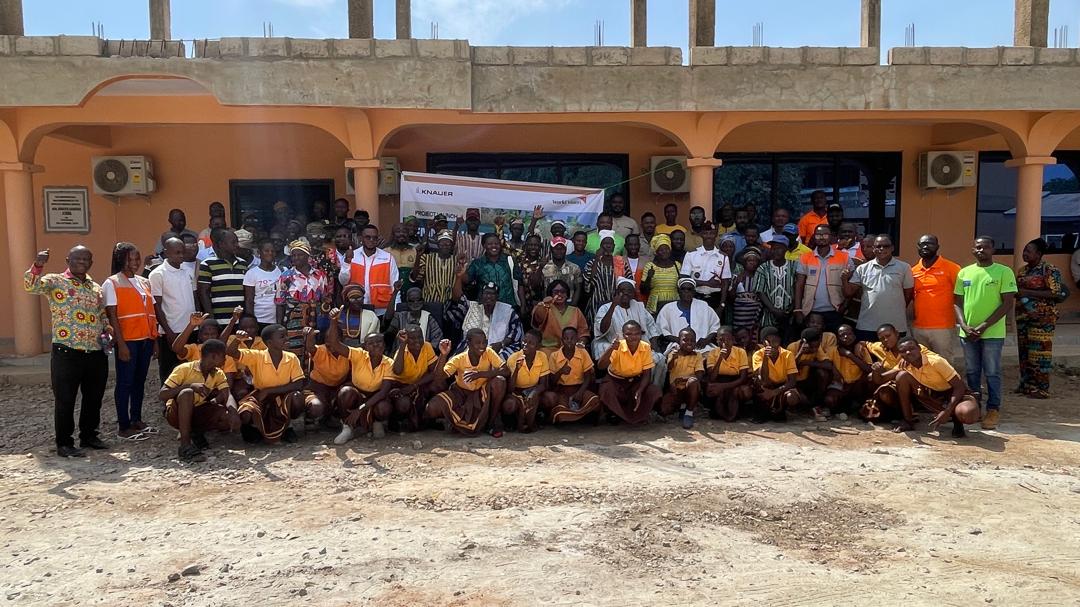
World Vision Ghana has launched Phase III of its Farmer-Managed Natural Regeneration (FMNR) PLUS project in the Bongo District of the Upper East Region, with a target of restoring 100 hectares of degraded land and strengthening climate-resilient livelihoods.
The two-year project will expand interventions to 10 communities in Bongo while consolidating gains made in the Binduri District, where the first two phases were implemented in 30 communities between 2022 and 2026.
The initiative seeks to strengthen climate-resilient livelihoods and promote inclusive landscape restoration in the two districts through sustainable land management, tree regeneration, financial inclusion and local value chain development.
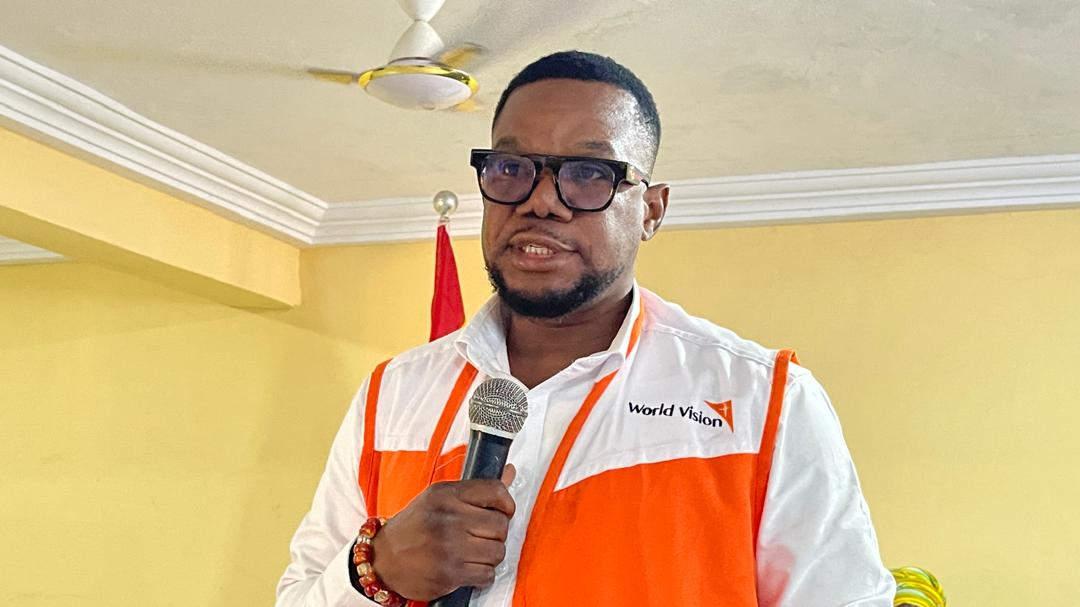
Speaking at the launch, Northern Operations Manager of World Vision Ghana, Rexford Y. Bugre, who read a speech on behalf of the Acting National Director, Joshua Baidoo, said the project would directly benefit approximately 2,500 people and indirectly reach another 5,000 in Bongo.
In Binduri, the project will continue supporting about 2,000 direct participants and 4,000 indirect beneficiaries to sustain the achievements of the previous phases.
Mr. Baidoo said the intervention had become necessary as communities in northern Ghana continued to experience the effects of climate change, including erratic rainfall, prolonged dry spells, declining soil fertility and rising temperatures.
“The effects of climate change are no longer distant threats. They are realities we experience every day, with farmers facing erratic rainfall, prolonged dry spells, declining soil fertility and rising temperatures,” he stated.
He said the challenges were undermining agricultural productivity and making household incomes increasingly uncertain, particularly for vulnerable farming communities.
Under the new phase, farmers will receive training in Farmer-Managed Natural Regeneration, sustainable natural resource management and climate-smart agricultural practices to restore indigenous tree species, improve soil fertility and enhance food production.
The project will also support community awareness campaigns, radio programmes, bushfire prevention initiatives and the enforcement of local environmental by-laws.
It will engage traditional and faith leaders, including chiefs, pastors and imams, as advocates for environmental protection, while establishing and strengthening environmental clubs in schools to encourage children to participate in environmental stewardship.
To reduce pressure on forests, the project will promote energy-efficient mud stoves and Gyapa cookstoves to reduce household fuel consumption and the demand for firewood.
Communities will also be supported to develop disaster risk reduction plans and early warning systems to improve their preparedness for climate-related emergencies.
Another component is the introduction of the Savings for Transformation (S4T) model in Bongo, through which community members will save collectively, access small loans and invest in income-generating activities.
Mr. Baidoo said the project would place people, particularly women, young people and vulnerable groups, at the centre of its interventions, noting that environmental restoration must go hand in hand with sustainable livelihoods.
“Restoring the environment alone is not enough. Sustainable restoration must go hand in hand with sustainable livelihoods, particularly for women, young people and vulnerable groups,” he indicated
He expressed appreciation to the Knauer Family and Company of Germany for supporting the project through its previous phases and the new intervention.
The Paramount Chief of the Bongo Traditional Area, Naba Baba Salifu Atamale Lemyaarum, welcomed the initiative, recounting his longstanding efforts to promote tree planting and discourage bush burning in the district.
He said that when he was enskinned in 2006, the Nayire charged him with the responsibility of protecting the trees, vegetation and natural resources of Bongo.
The traditional ruler said he subsequently led advocacy efforts to encourage residents to plant economic trees, particularly mangoes, despite initial resistance arising from cultural beliefs that people who planted fruit trees could die when the trees began bearing fruits.
He said support from non-governmental organisations and the Forestry Commission enabled him to establish a tree nursery and distribute seedlings, although the nursery eventually collapsed after funding support ended.
Naba Lemyaarum said his campaigns against bush burning had also yielded results, with more farmers now allowing crop residues and grasses to remain on their farms after harvesting.
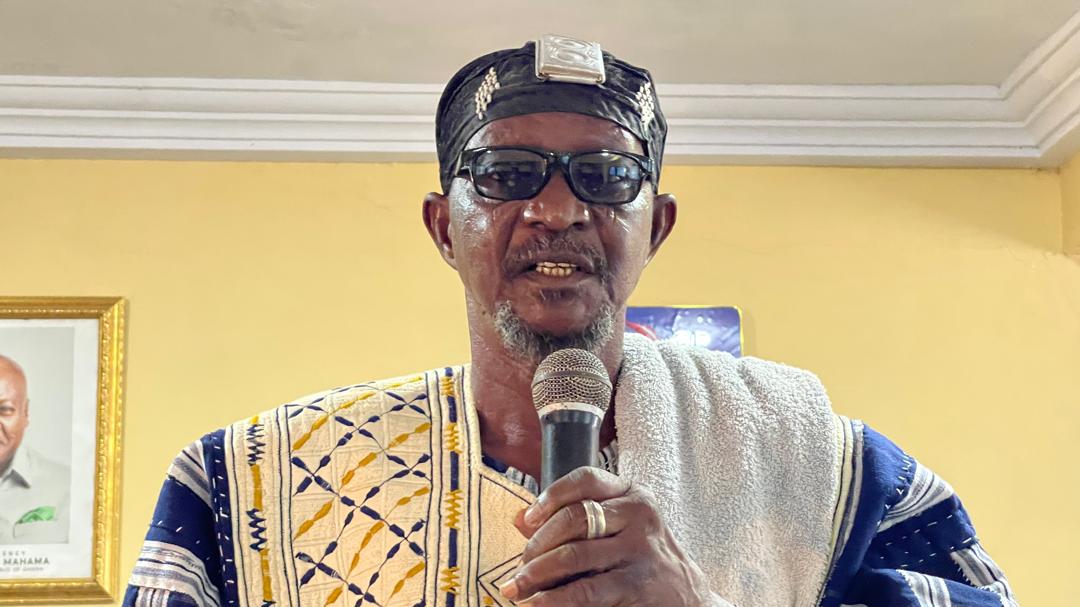
He described Farmer-Managed Natural Regeneration as a practical approach to environmental restoration, explaining that farmers could protect and prune naturally growing shrubs until they developed into mature trees.
“If you feel lazy to plant a tree, you can allow the naturally growing shrubs to grow. As a farmer, do not cut them off; prune them, and before you know it, they will become trees,” Naba Lemyaarum stated.
He urged residents to embrace the approach, warning that environmental degradation threatened agricultural production and community livelihoods.
“Without trees, we cannot get rain. We must all embrace Farmer-Managed Natural Regeneration to restore our vegetation and protect the environment for future generations,” he added.
The chief also called for stronger action against plastic pollution and open defecation, saying plastic waste posed dangers to livestock and agricultural land, while poor sanitation contributed to environmental pollution.
The Bongo District Chief Executive, Diana Asoketarige Ayamga, pledged the Assembly’s support for the project, describing it as an important intervention to help farmers protect their lands, restore trees and improve household livelihoods.
She urged community members and relevant stakeholders to work together to ensure the successful implementation of the project.
The Bongo District Agricultural Officer in charge of Women in Agricultural Development, Munira Gariba, also called for a concerted effort among stakeholders towards the implementation of the initiative.
A1 Radio | 101.1Mhz | Joshua Asaah | Bongo