
The morning sun cast long shadows across Nabdam District as Gloria checked her blood pressure at a health center. She had checked her blood pressure over a three-day period. The 52-year-old trader had felt fine—energetic even—until the nurse’s concerned expression told her otherwise.
“180 over 110,” the nurse said quietly. “You have hypertension, madam.”
Gloria joined a staggering statistic: over 6,500 new hypertension cases recorded in the Upper East Region within just the first four months of 2025, making her district the epicenter of Ghana’s fastest-growing health crisis.
Data from the Ghana Health Service shows that the Nabdam District recorded the highest number of cases, followed by Kassena-Nankana Municipal, Builsa South and Bongo Districts, painting a picture of a region under siege by what health experts call the “silent killer.”
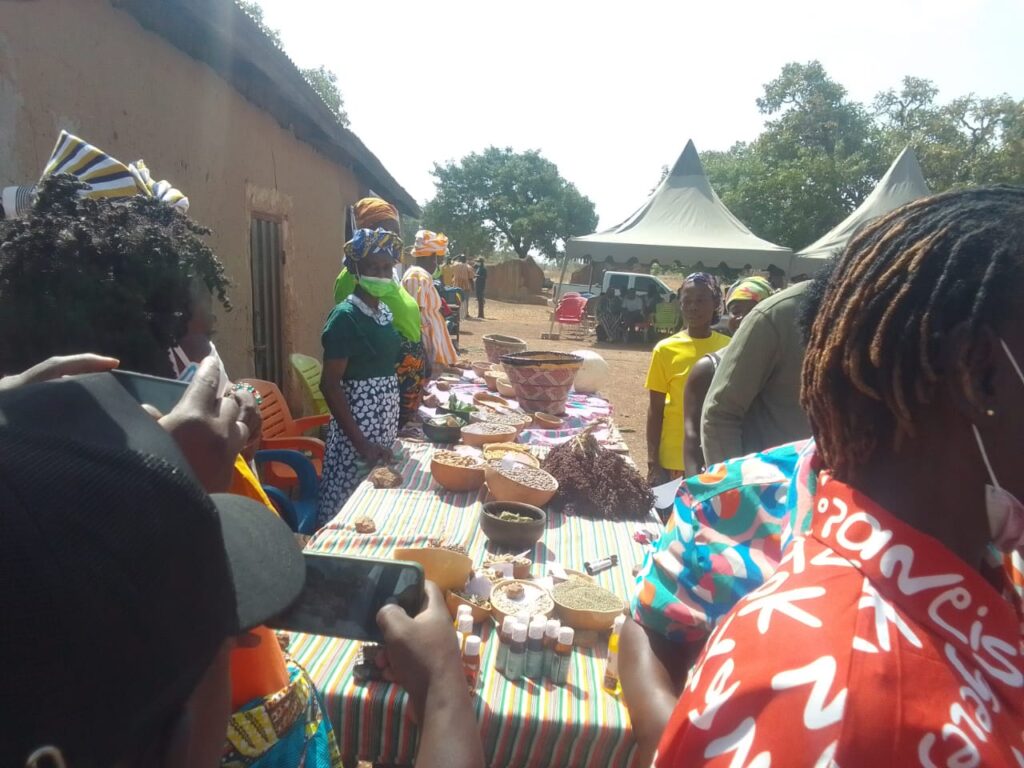
But 20 kilometers away, at a recent colorful indigenous seed and food bazaar organized by Widows and Orphans Movement (WOM), another story was unfolding—one of hope, heritage, and healing.
The Picture
The numbers tell a story of dietary destruction. Most cases were reported among individuals aged forty to sixty years, although cases among younger people are also emerging, according to Vincent Adongo, the Focal Person for Non-Communicable Diseases at the Upper East Regional Health Directorate.
Globally, the World Health Organization estimates that about 1.4 billion people live with hypertension, a figure that has doubled since 1990. In Ghana, the pooled prevalence is about 30.7 percent among adults, with some studies showing rates above 50 percent among older populations, according to a 2021 paper titled, “Prevalence, awareness and control of hypertension in Ghana: A systematic review and meta-analysis”.
Despite its prevalence, awareness and treatment remain low. The same study reported that only about 35 percent of people with hypertension in Ghana are aware of their condition, 22 percent are on treatment, and just 6 percent have their blood pressure under control. The Centers for Disease Control and Prevention identifies key risk factors such as aging, obesity, physical inactivity, high salt intake, and alcohol use, while Ghanaian researchers also highlight the influence of access to health care and socio-economic status.
Paul Akapanga, a nutritionist who has studied dietary transitions in northern Ghana, explains the connection: “We’re witnessing the collision of two worlds—traditional diets rich in indigenous vegetables and grains are being rapidly replaced by processed foods high in sodium and saturated fats.”
The evidence is clear. Where once families consumed millet porridge with locally grown vegetables, now many rely on instant noodles with seasoning cubes containing up to 1,200mg of sodium per serving—half the daily recommended intake in a single meal. Market stalls that once displayed arrays of indigenous leafy greens like alefu and kontomire now prominently feature imported rice, processed oils, and packaged snacks.
“When I was growing up, we ate what we grew,” recalls Gloria. “Now my grandchildren prefer the ‘tasty’ foods from the shops. But these foods are killing us slowly.”
Seeds of Change
At a recent a WOM indigenous seed and food bazaar in Nabdam, a different narrative emerges. Elder women sit surrounded by colorful displays of forgotten treasures: tiger nuts rich in potassium, baobab leaves packed with calcium, and dawadawa seeds that naturally help regulate blood pressure.
Fati Abigail Abdulai, WOM’s Executive Director, points to a handful of millet seeds. “Our grandmothers knew these as medicine,” she says. “Modern science is now proving they were right.”
The event, supported by the 11th Hour Project Food Sovereignty Fund through RSF Social Finance, represents more than nostalgia—it’s a systematic effort to rebuild food systems that prioritize health over convenience.
RSF’s Social Investment Fund has long focused on enterprises doing innovative work on food and agriculture, recognizing that sustainable food systems are crucial for addressing public health crises.
The Science of Tradition
Research increasingly validates what traditional knowledge has long understood. Indigenous foods common in the Upper East—like tiger nuts, moringa, and various leafy greens—contain compounds that naturally help regulate blood pressure.
Dr. Aaron Tetteh, a medical officer explained that “Communities that have maintained traditional dietary patterns show significantly lower rates of hypertension,” he notes. “The challenge is making these foods accessible and appealing to younger generations.”
Tiger nuts, for instance, contain high levels of potassium and arginine, both crucial for maintaining healthy blood pressure. Baobab leaves provide magnesium, which helps blood vessels relax. Dawadawa, a fermented locust bean condiment, offers a low-sodium alternative to imported seasoning cubes while providing beneficial probiotics.
A Model for Change
The food sovereignty approach goes beyond individual choices to address systemic issues. Through partnerships with local farmers, WOM is working to increase production of indigenous crops while educating communities about their health benefits.
“We’re not asking people to abandon modernity,” explains Abdulai. “We’re showing them how traditional foods can be prepared in ways that appeal to contemporary tastes while providing superior nutrition.”
The initiative includes practical elements: cooking demonstrations that show how to prepare appetizing meals using indigenous ingredients, seed banks to preserve genetic diversity, and market linkages that make these foods economically viable for farmers to grow.
Young mother Fatima, 28, discovered she had pre-hypertension during a community screening. She replaced processed snacks with tiger nut flour cookies and began incorporating moringa leaves into family meals.
“My blood pressure readings have improved, and my children actually like these foods when prepared well,” she says. “Plus, buying from local farmers keeps money in our community.”
Beyond Individual Solutions
The 11th Hour Project’s investment recognizes that addressing hypertension requires systemic change. By supporting food sovereignty initiatives, the fund targets the root causes rather than just treating symptoms.
Vincent Adongo explained that hypertension belongs to a broader group of diseases including diabetes, cancers, chronic respiratory conditions, suggesting that dietary interventions could address multiple health challenges simultaneously.
The program’s impact extends beyond immediate health outcomes. By supporting indigenous seed preservation and sustainable farming practices, it addresses climate resilience—crucial as changing weather patterns threaten food security in the region.
Racing Against Time
The urgency cannot be overstated. Health professionals continue to express concern over how many people live with dangerously high blood pressure without realising it—often until it causes complications like stroke, heart disease or kidney failure.
For every person like Gloria who discovers their condition through screening, experts estimate three more remain undiagnosed. The regional health directorate is intensifying awareness campaigns, but prevention through improved nutrition offers the most sustainable path forward.
“We can build hospitals and train more doctors,” says Adongo, “but if we don’t address the underlying dietary causes, we’ll always be fighting a losing battle.”
Seeds of Hope
As the seed bazaar winds down, participants carry home more than indigenous varieties—they carry knowledge, recipes, and most importantly, hope. Children sample delicious, not-often-available meals alongside their parents, discovering that healthy doesn’t have to mean tasteless.
The transformation won’t happen overnight, Executive Director for WOM admits. Changing dietary patterns takes time, especially when processed foods are aggressively marketed and often cheaper. But the foundation is being laid for a different future—one where health and heritage work hand in hand.
Gloria, now three months into managing her hypertension through medication and dietary changes, has become an advocate in her community. She’s replaced the seasoning cubes with dawadawa, introduced millet back into her family’s diet, and started a small garden with indigenous vegetables.
“My grandmother lived to be 94 and never had high blood pressure,” she reflects. “She ate what grew around her. Maybe it’s time we listen to what the earth and our ancestors are trying to teach us.”
As Ghana grapples with rising non-communicable diseases, the Upper East Region offers a compelling model: sometimes the best path forward is also the path back—to seeds that have sustained communities for generations, to foods that nourish rather than just fill, to a way of eating that honors both body and land.
The question isn’t whether traditional knowledge and modern science can work together to address Ghana’s hypertension crisis. In the gardens and markets of the Upper East, they already are.
Source: A1Radioonline.com|101.1 MHz|Mark Kwasi Ahumah Smith|Bolgatanga