
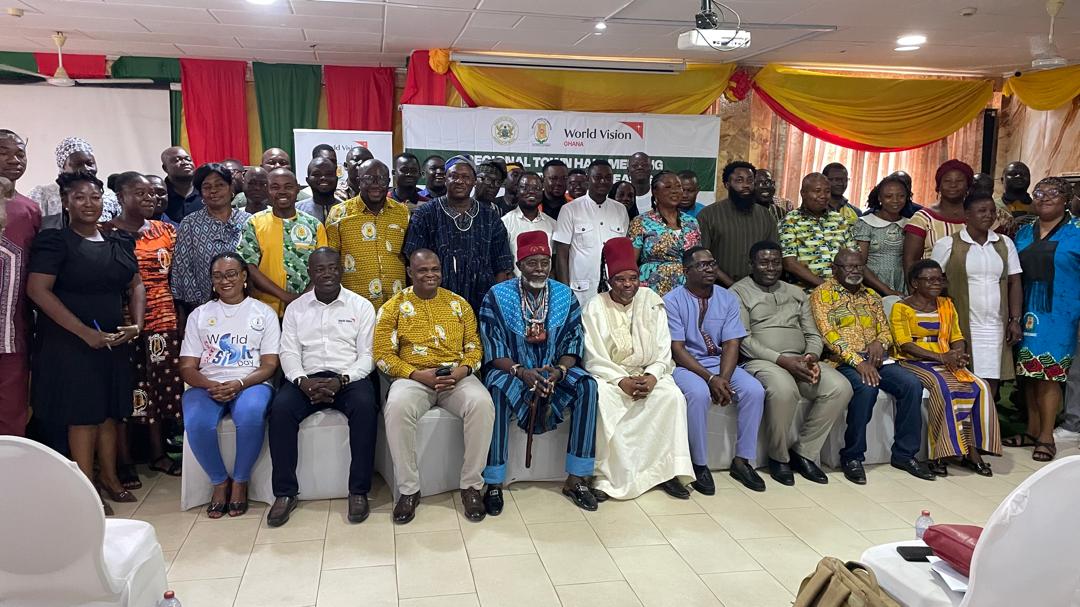
Stakeholders have convened a regional town hall meeting in the Upper East Region to deliberate on strategies to eliminate Neglected Tropical Diseases (NTDs) by 2030, in line with global targets.
The meeting, held under the theme “Sustaining Ghana’s Gains in Elimination of NTDs: Strengthening Sub-National Ownership for Universal Health Coverage and the WHO 2030 NTD Roadmap,” was championed by the Ministry of Health in collaboration with the Ghana Health Service, World Vision Ghana, and the National NTD Programme.
The gathering comes at a time when the Upper East Region remains one of the most endemic areas for diseases such as lymphatic filariasis, onchocerciasis, schistosomiasis, leprosy, yaws, rabies, and soil-transmitted helminthiasis.
In his welcome address, the Upper East Regional Director of Health Services, Dr. Briamah Baba Abubakari, painted a grim picture of the burden of NTDs in the region, citing data that revealed 1,315 hydrocele cases and 2,373 lymphedema cases linked to lymphatic filariasis.
“Neglected Tropical Diseases have cast a silent, debilitating shadow over our communities,” he said. “While often not fatal, they cause disfigurement, disability, and significant social stigma, trapping families in cycles of poverty.”
He further stressed the importance of early detection and treatment, noting that late reporting continues to worsen outcomes. “From 2020 to 2024, we recorded 137 new cases of leprosy, with over 80 percent presenting at advanced stages of disability. This clearly shows that early reporting remains a major challenge,” he added.
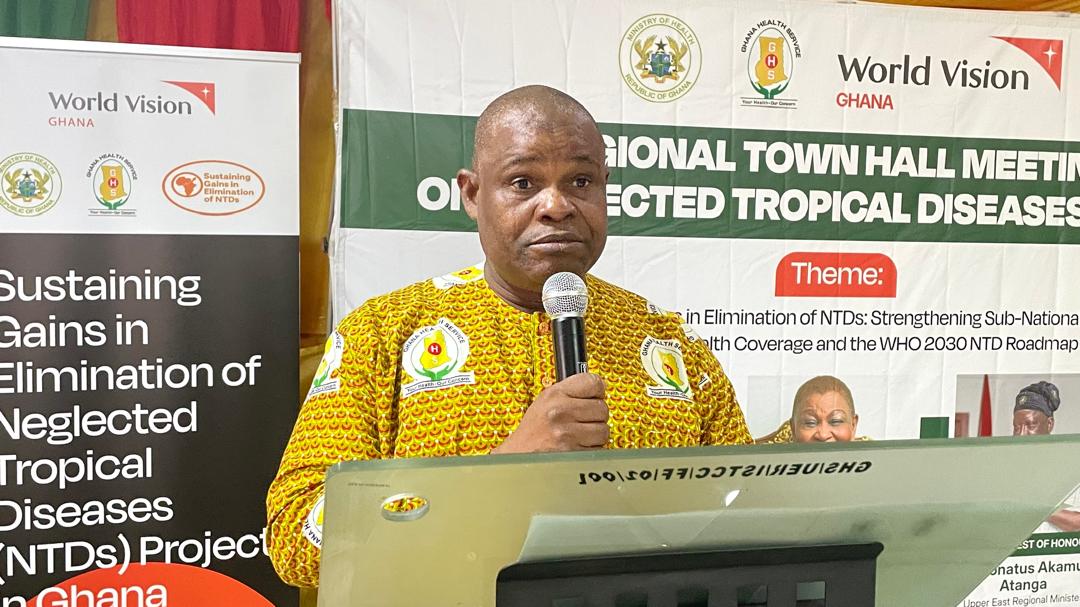
Dr. Abubakari also indicated that about 1,190 cases of yaws were suspected and treated within the same period. Delivering remarks on behalf of the Ministry of Health, Head of External Health Cooperation, Dr. Joseph Dodoo, outlined government’s commitment to eliminating NTDs through sustained interventions.
“Ghana has made measurable progress in the fight against NTDs through mass drug administration, strengthened surveillance, and improved community-based health services,” he said. “However, these gains must be sustained through stronger coordination and increased local ownership.”
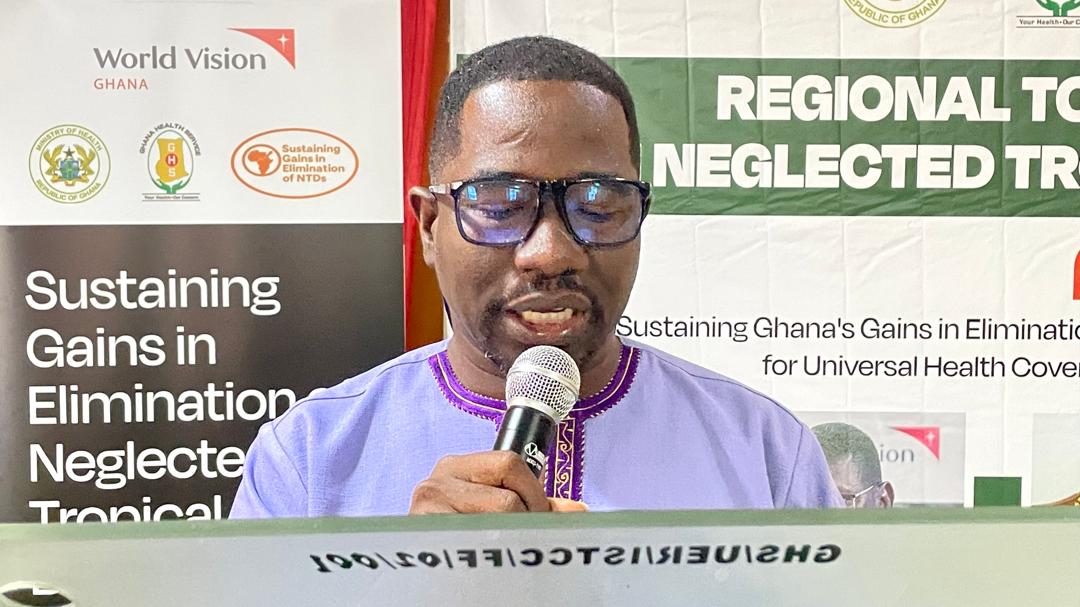
He added that the establishment of Regional Intra-Country Coordinating Committees would enhance accountability and ensure that interventions are tailored to local needs. “Eliminating NTDs is not the responsibility of the health sector alone; it requires a whole-of-society approach,” Dr. Dodoo emphasized.
The Strategy and Integrated Programmes Director at World Vision Ghana, Joshua Baidoo, called for the integration of NTD services into national systems, including the National Health Insurance Scheme and social protection programmes.
“Sustaining the gains we have made means integrating NTD services into our national healthcare architecture,” he said. “It also means ensuring that NTD-affected individuals are enrolled in programmes like LEAP to support their livelihoods.”
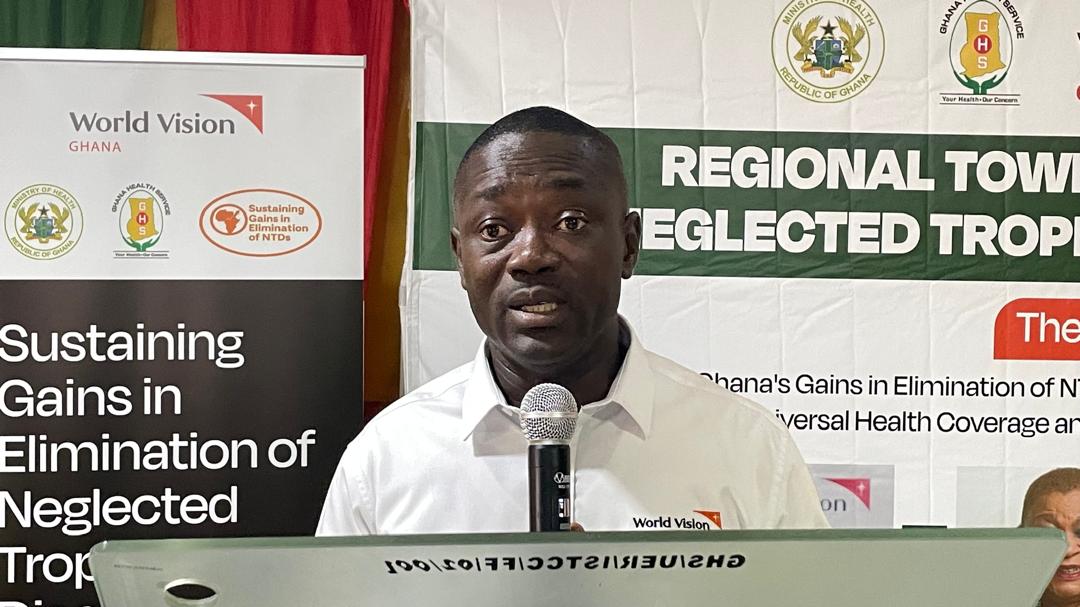
Mr. Baidoo underscored the social and economic impact of NTDs, particularly on vulnerable populations. “A person living with elephantiasis or leprosy is often excluded, stigmatized, and unable to earn a living. This is not just a health issue; it is a matter of dignity and inclusion,” he noted.
Speaking on behalf of the National NTD Ambassador, Rev. Dr. Joyce Aryee, Programmes Manager at the Ghana Health Service, Dr. Joseph Opare, emphasized the need for sustained commitment and domestic financing.
“Progress does not mean victory. Elimination requires resilience and sustained effort,” he said. “The WHO 2030 NTD Roadmap is not just a global framework; it is a local responsibility that demands strong leadership and collaboration.”
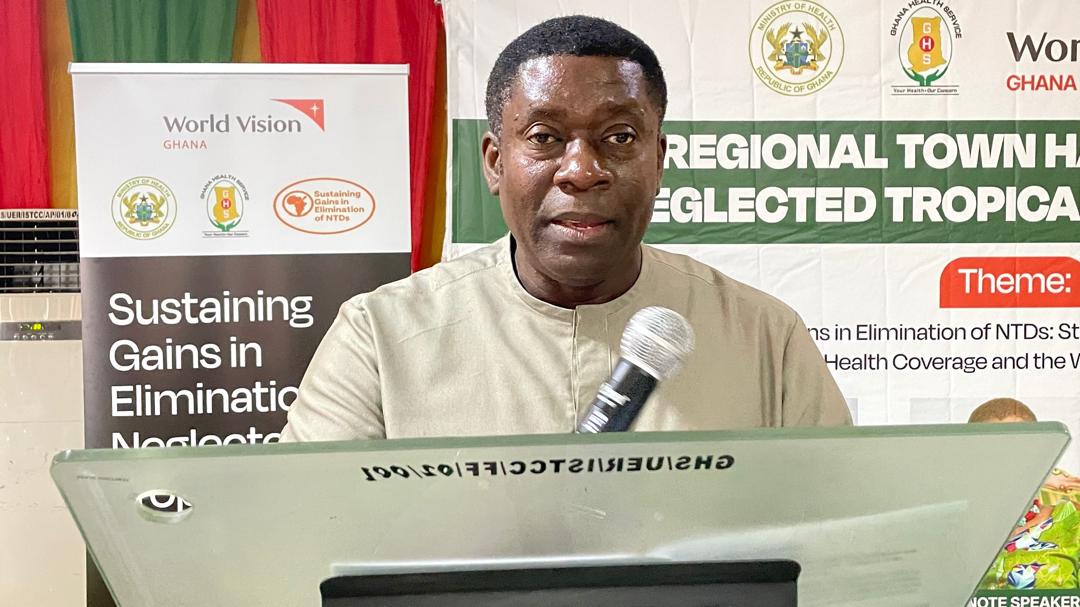
He further highlighted the importance of reducing reliance on donor funding. “As external support declines, we must invest in our own solutions. The proposed NTD fund is a call for self-reliance and collective responsibility,” Dr. Opare stated.
The meeting also featured the outdooring of the Paramount Chief of the Navrongo Traditional Area, Pe Dennis Aneakwoa Balinia Adda Asagpaare II, as the Regional NTD Ambassador, as well as the inauguration of members of the Regional Intra-Country Coordinating Committee.
A speech read on behalf of the Upper East Regional Minister, Donatus Akamugri Atanga, entreated the committee to coordinate efforts across sectors such as health, education, sanitation, and local governance towards the elimination of NTDs in the region.
A1radioonline.com|101.1Mhz|Joshua Asaah|Bolgatanga