
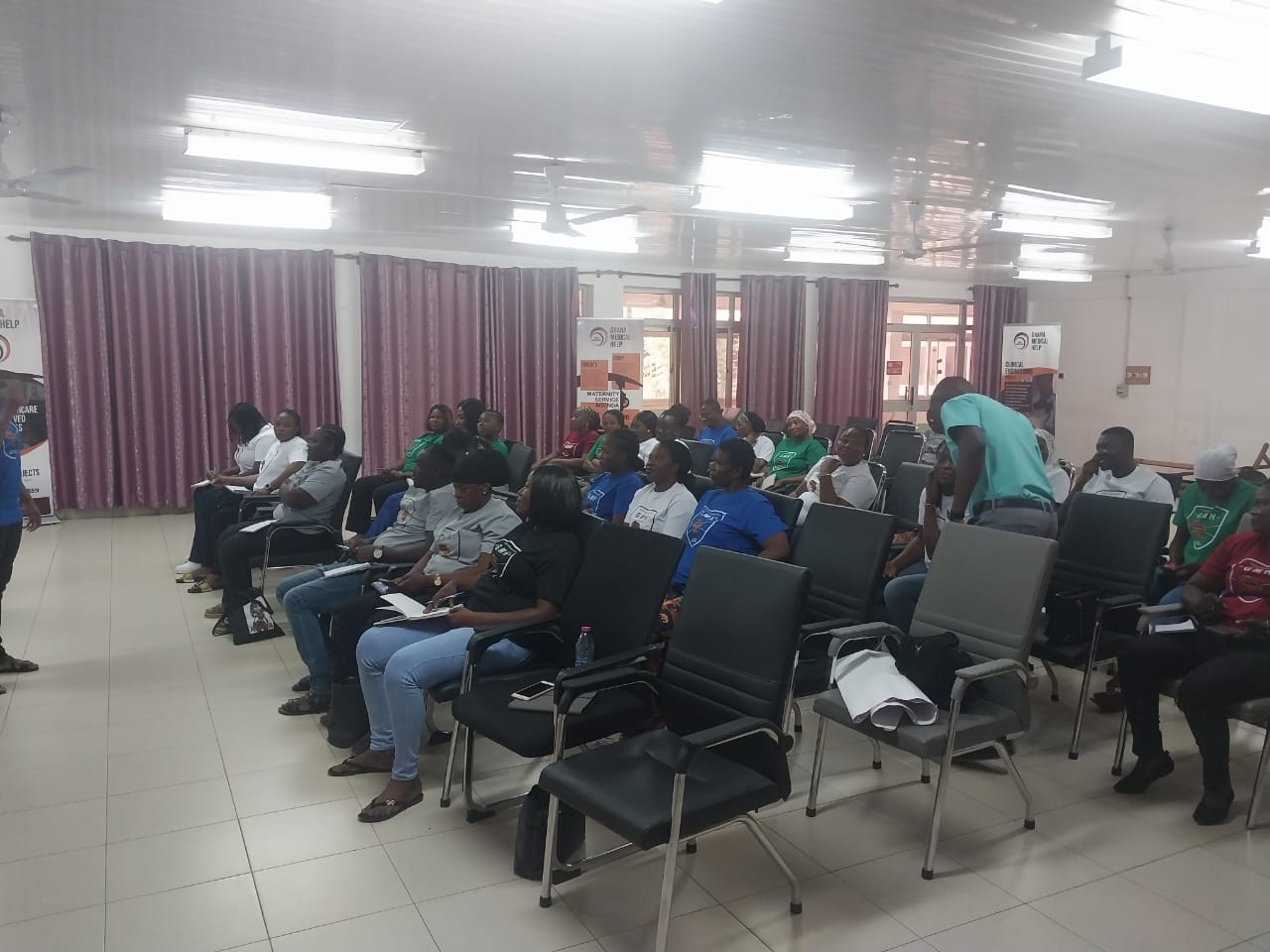
Selected midwives and doctors from all 15 districts of Ghana’s Upper East Region gathered this week for intensive training in emergency obstetric and newborn care, part of a multi-year initiative by Ghana Medical Help aimed at reversing unacceptably high maternal and neonatal mortality rates in northern Ghana.
The three-day training, held under the organization’s Maternal Service Agenda program, brought together approximately 50 health workers, one doctor and two midwives per district, for hands-on instruction in life-saving obstetric procedures.
“It is no reason why a pregnant woman should lose her life whilst trying to bring life to this world,” said Dr. Dominic Akaateba, a physician specialist at the Upper West Regional Hospital and co-founder of Ghana Medical Help, a Ghanaian-Canadian charity that has operated for 16 years. “Our maternal mortality and neonatal mortality indices are unacceptable.”
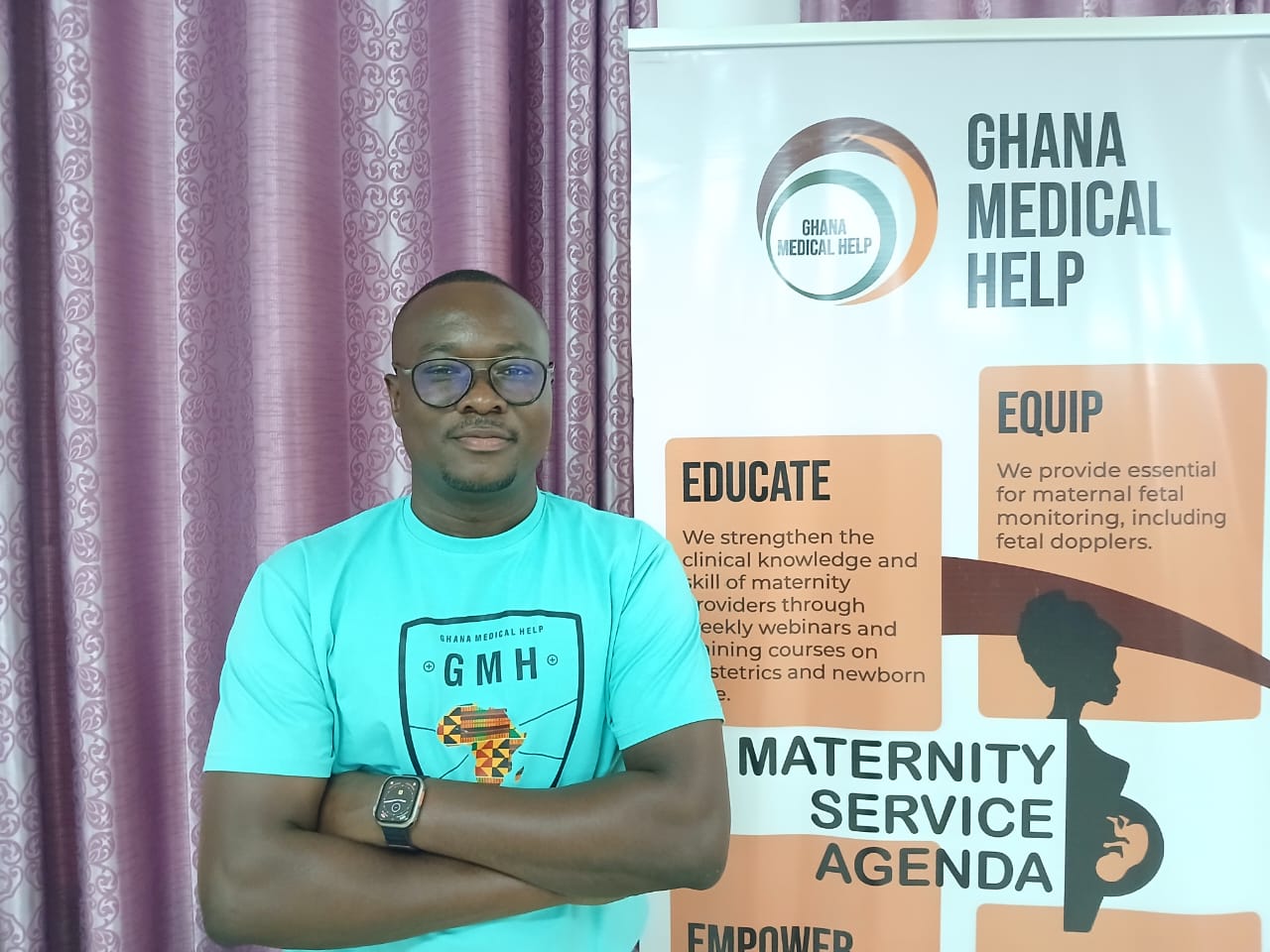
Among the skills taught was the management of postpartum hemorrhage, or PPH, one of the leading causes of death among pregnant and labouring women as well as hypertensive diseases in pregnancy, manual removal of retained placentas, and objective estimation of blood loss.
Anisa Abdulai, a senior midwifery officer and trainer who works at the Upper East Regional Hospital, said the training moved beyond knowledge to practical, immediate readiness. “You shouldn’t actually wait for PPH to occur,” Ms. Abdulai said. “With the e-Motive and the PPH bundle, you actually diagnose it early and tackle it before PPH occurs.”
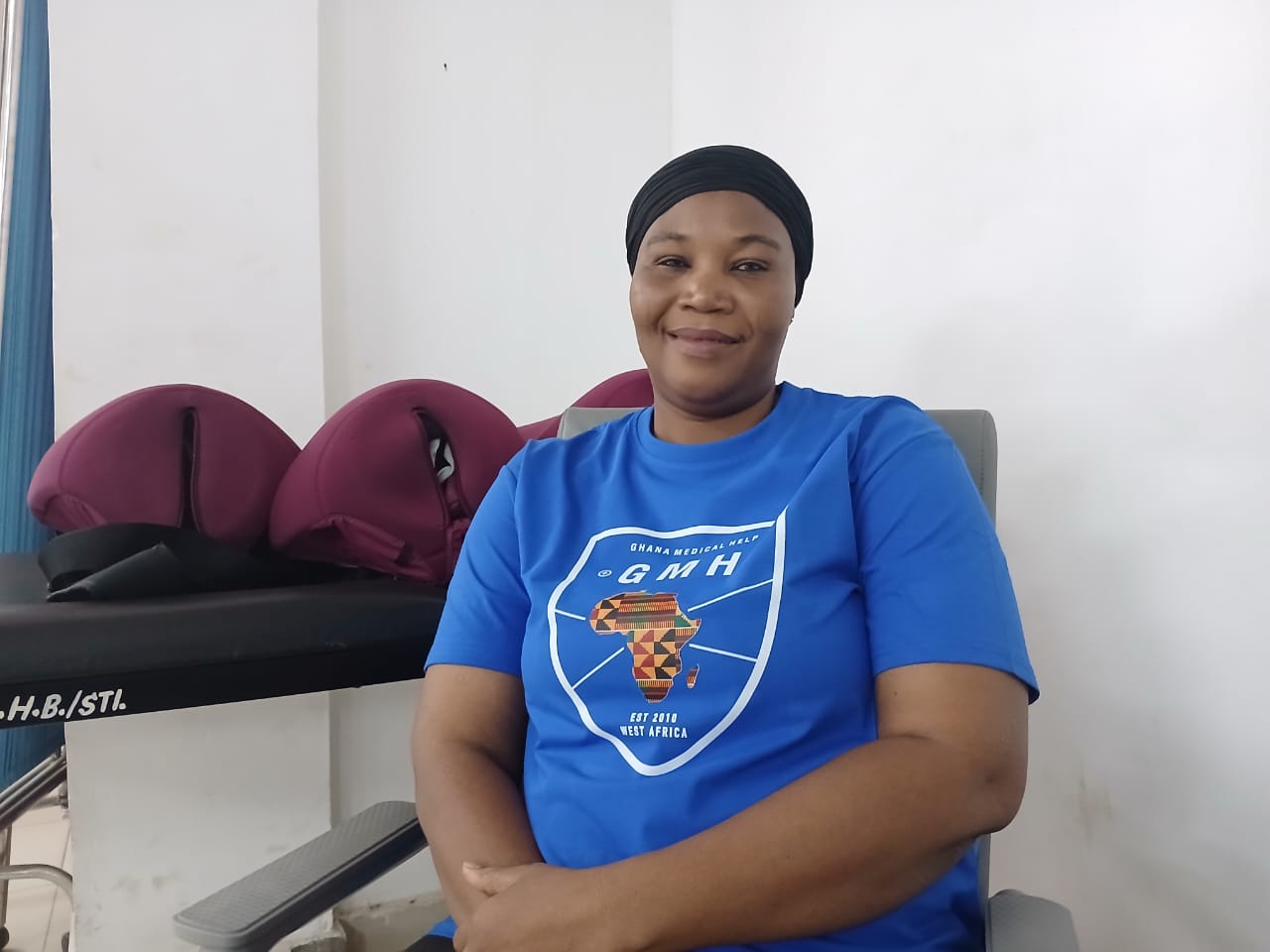
Ms. Abdulai emphasized that trainees were also taught the importance of checking emergency supply kits every morning so that, in a crisis, time is not lost searching for equipment. Health workers were encouraged to assign clear roles to colleagues during emergencies to prevent delays that raise mortality risk.
Dr. John Aberba, a trainee at the session, said the training corrected procedural gaps that had developed in routine practice. “Most of the things I learned here, we do them all right, but usually we don’t follow the laid-down protocols during our practices,” Dr. Aberba said. “We were doing it all right, but we’re not doing it the right way. The program has put us on the right path.”
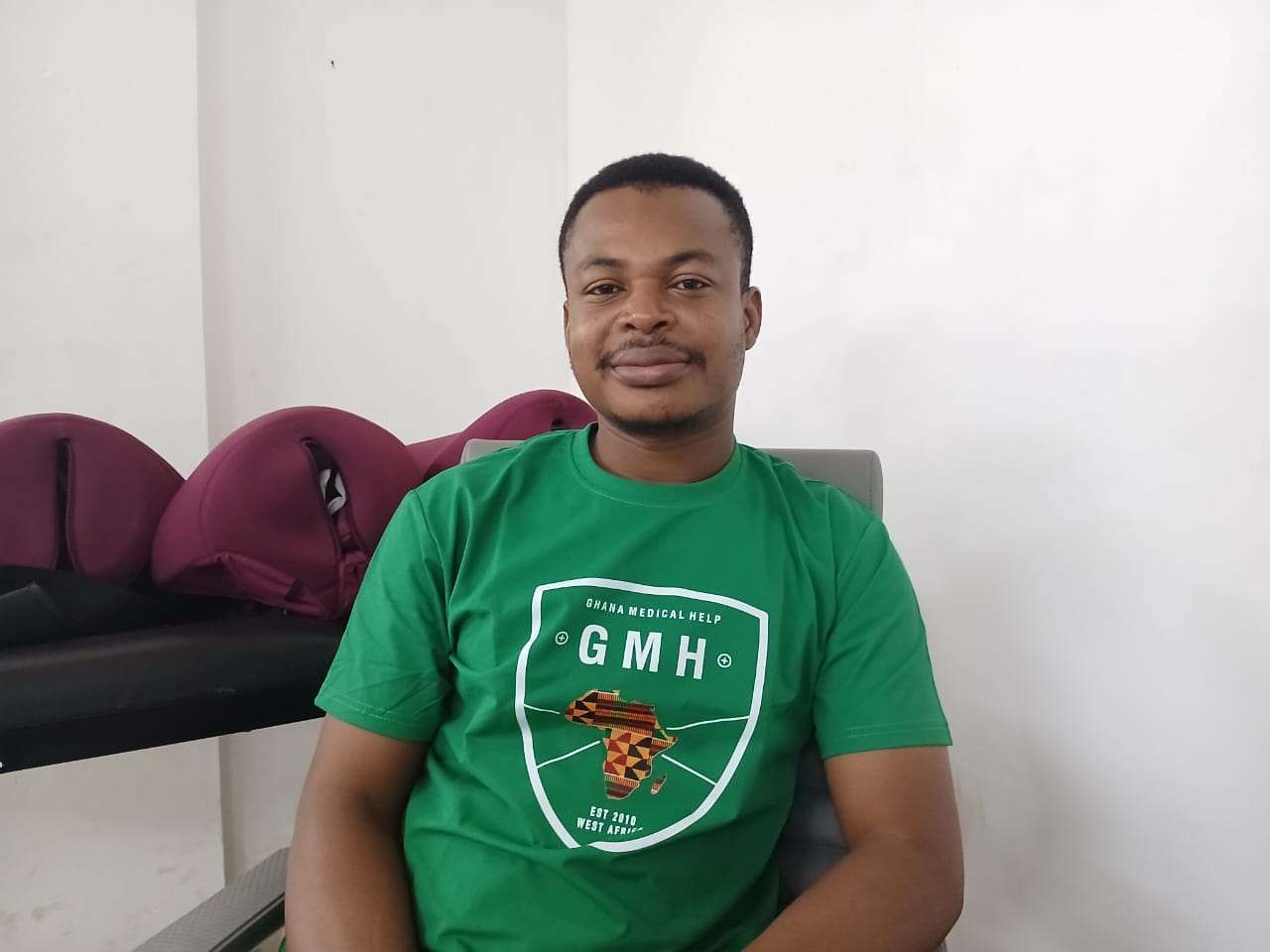
Augustina Abendin, a midwife from Builsa North District Hospital, said the training updated her on current clinical standards. She noted that the definition of a retained placenta, a critical threshold that determines when a midwife must intervene, had been revised since her initial training three years ago. “This refresher training has helped us a lot because it’s bringing us knowledge on the new updates,” Ms. Abendin said.
Ghana Medical Help has run the Maternal Service Agenda annually for three years. The first year focused on training regional-level trainers, the second adopted a train-the-trainer model and donated obstetric mannequins to all districts so training could continue locally. This year’s session refreshes that cohort’s knowledge in preparation for a planned expansion to the sub-district level.
“This year, we are looking at going into the sub-district level, and that is the health centers and the CHIPS compounds,” Dr. Akaateba said. The expansion aims to equip Community-based Health Planning and Services (CHPS) nurses to conduct safe deliveries and reduce maternal mortality at the community level.
In addition to annual in-person trainings, the organization conducts weekly obstetric webinars on Zoom every Friday with faculty from Ghana, Canada, the United States and the United Kingdom. Sessions are recorded and uploaded to a YouTube channel for health workers who cannot attend live due to network challenges or work schedules. Quarterly simulation drills are also conducted at district facilities.
A1 Radio | 101.1 MHz | Mark Kwasi Ahumah Smith | Bolgatanga