By Mark Kwasi Ahumah Smith
Summary
- Cerebrospinal meningitis kills dozens of people across northern Ghana every dry season according to the Ghana Health Service, with at least 11 deaths already in 2026.
- Harmattan winds from the Sahara carry fine particles that crack nasal lining and allow bacteria directly into the bloodstream, a danger compounded by overcrowded homes, closed windows, and dehydration — conditions that define life for millions.
- Northern Ghana has no quality monitoring, or active surveillance system leaving health authorities to respond to an entirely predictable crisis with little more than seasonal advisories.
Adinboyi Abugre leads a small group of reporters and health workers down a dusty path to his home – past unfinished cement block structures, close-packed houses, and a wide stretch of earth where his family grows food during the rainy season.
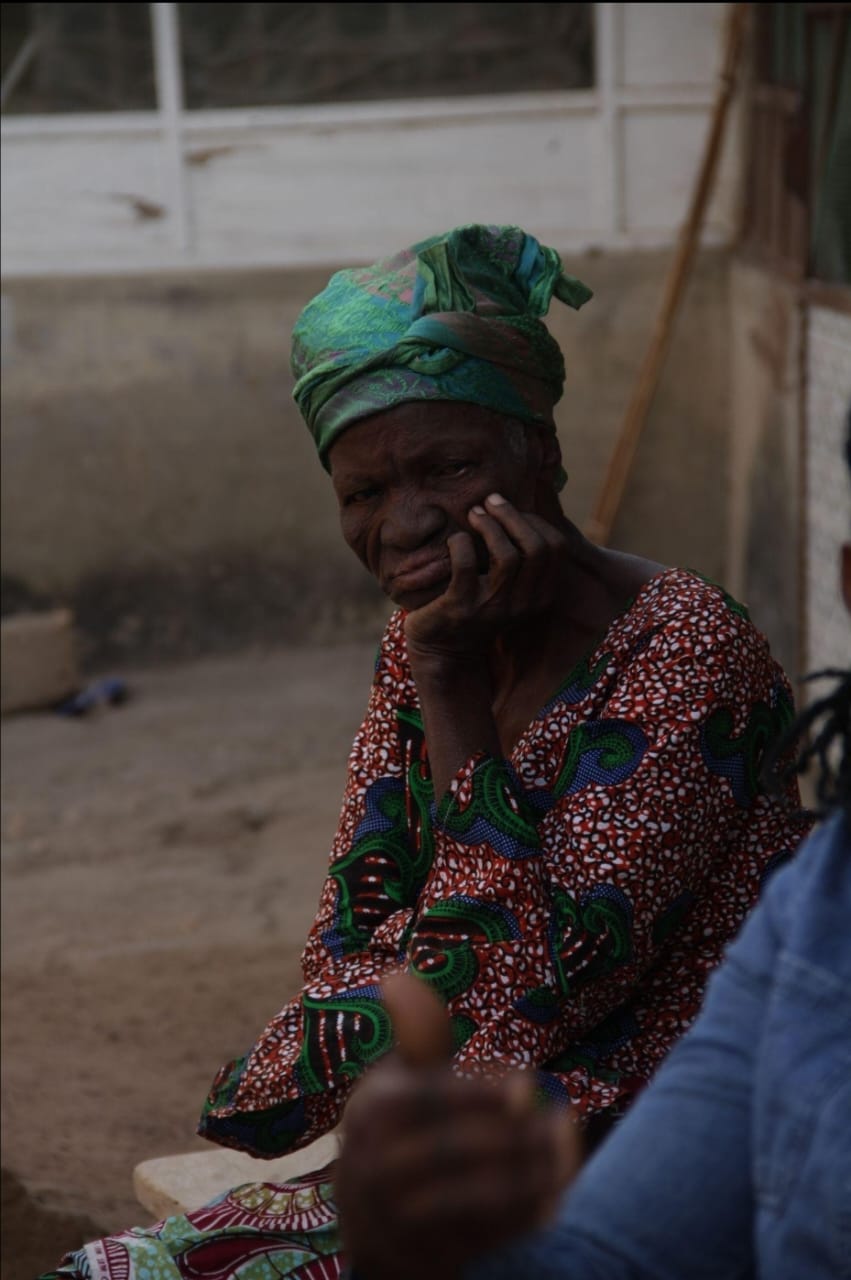
Inside, Abugre taps his wife on the shoulder. Abinya Ayine looks up, surprised. The 73-year-old did not hear them approaching. A few years ago she would have heard them. A busy, independent woman, she made straw baskets, tended her farm and sold products at the market. Then she fell ill. The hospital gave her diagnosis a name that most people here have heard: cerebrospinal meningitis, or CSM. After three months in hospital Ms Ayine came home. But the woman who returned was not the same woman who left.
“As we speak, she can’t talk, she can’t also hear. She is lucky she didn’t die, but her junior sister died,” says Mr Abugre, speaking in Gurune. The situation has caused serious strain on the marriage. “Sometimes she feels because of her situation we take undue advantage to insult or gossip about her. This sometimes brings confusion between us.”
Cerebrospinal meningitis is a bacterial infection that attacks the fluid and membranes surrounding the brain and spinal cord. It kills fast. Even with treatment, as in Ayine’s case, it leaves behind wreckage: permanent hearing loss, brain damage, or cognitive impairment, in roughly one in five survivors. In Ghana’s northern regions, it arrives on schedule, every dry season, carried on the same hot winds that coat everything in a thin film of reddish dust.
What happened to Abinya Ayine is not an isolated tragedy. It is a pattern. And this year, it is happening again.
As of February 2026, Ghana’s Health Service had confirmed at least 11 deaths from cerebrospinal meningitis across the northern belt, with cases recorded in the Northern, Upper West, Savannah, and North East regions. The Upper West Region alone had recorded 15 suspected cases and two deaths by the end of the fifth week of the year. And case numbers are rising. The case fatality rate this season of 14 percent is double what it was at the same point last year.
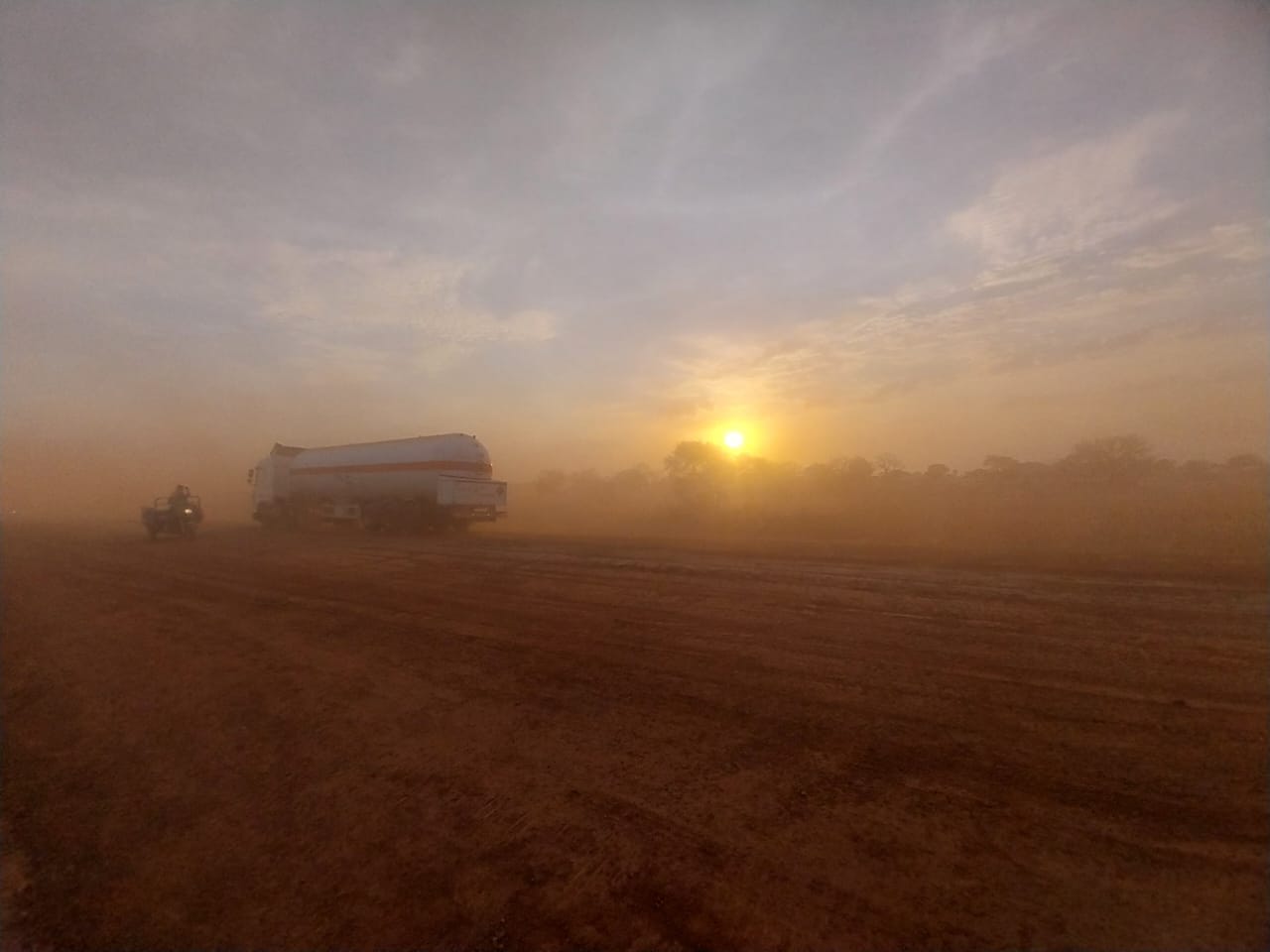
Cerebrospinal meningitis epidemics follow the harmattan with grim regularity. Between December and April, the air over northern Ghana turns dry and dusty as winds sweep down from the Sahara Desert. That combination of heat, dryness, and dust does something specific and dangerous to the human body.
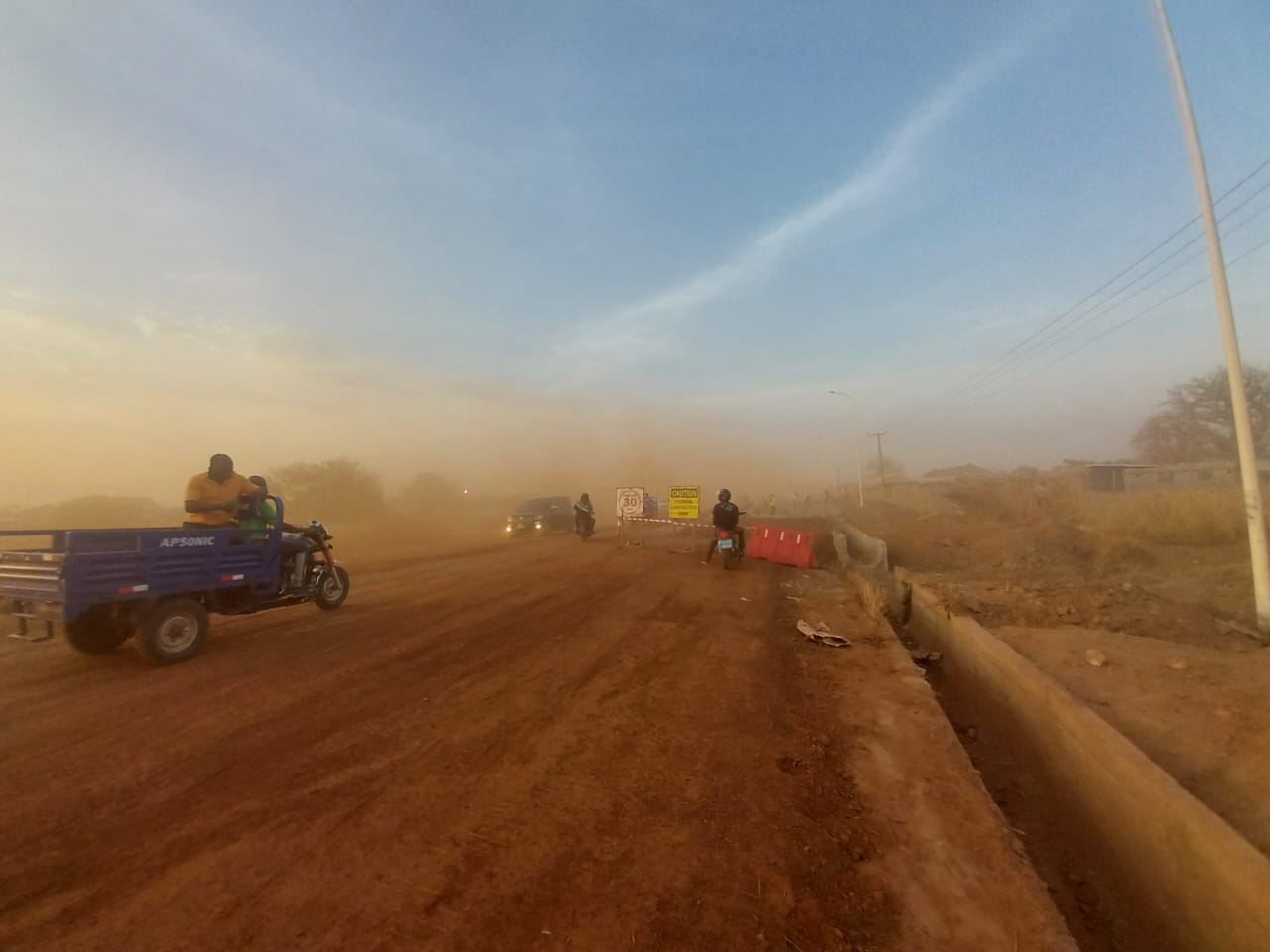
The inside of the nose is lined with tiny hair-like structures called cilia, which trap particles and serve as a first wall of defence against bacteria, according to Francisca Adongo, the Municipal Health Promotion Officer for Bolgatanga. When the air is dry, the lining of the nose cracks. The cilia can no longer do their job. Bacteria carried on dust particles pass straight through.
“As we breathe, thinking we are breathing in clean air, we breathe in dust that contains bacteria,” Ms Adongo says. “That finds its way easily into our system because already the lining of our nose and our throat is being compromised.”
The problem is made worse by how people respond to the dust. Many residents, like the Abugre family, seal their windows to keep the dust out. But closing windows traps the same air, and anyone carrying meningitis bacteria, inside.
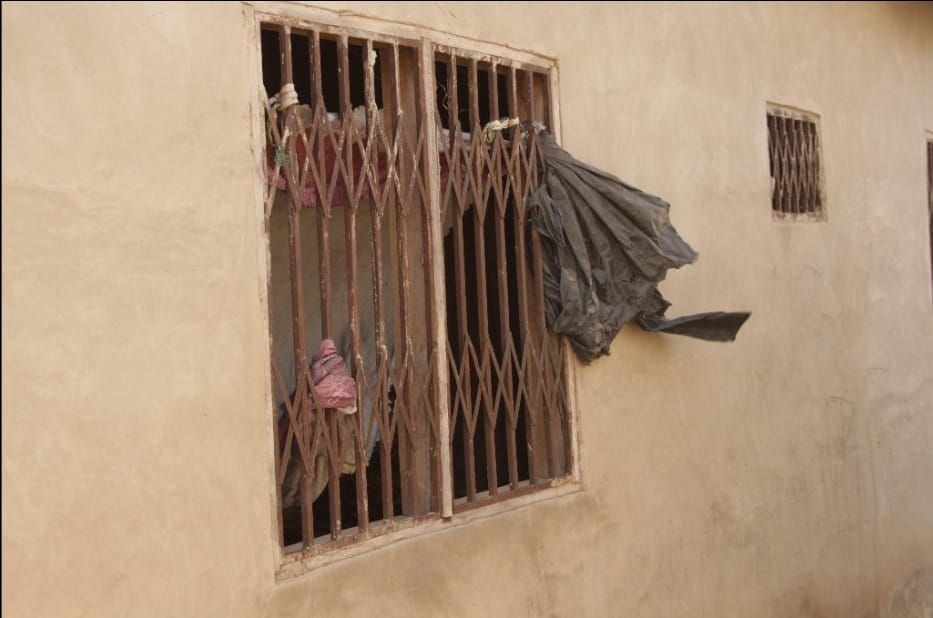
A window with the rubber sealing torn off upon the advice of health workers
“If there is no proper circulation of air in the room,” Ms. Adongo said, “and we are two or three people breathing in the same air, we are more exposed.”
Staying hydrated helps. Water keeps the skin and nasal lining moist, making it harder for bacteria to enter. But in communities where the heat is extreme, dehydration is common.
Gertrude Abugre knows what it is like to be on the other side of this. Today she is a midwife but when she was six or seven-years-old, she was playing outside one afternoon with friends when she suddenly collapsed.
“I just fell on the floor and that was it. I couldn’t walk. I couldn’t do anything,” she recalls. She was taken to the regional hospital, where doctors diagnosed her with meningitis. Ms Abugre says she became so sick that her community declared her dead. When she finally came home, her family felt they needed to perform rituals before she could re-enter the house.
“Even speech was a problem for me,” she says. “It took time before I was able to gain back some of the basic things I used to do.”
Now, as a health worker who advises pregnant women, Ms Abugre knows what made her vulnerable that day. The sun was fierce; the environment was dry and dusty. She had been outside for hours and was likely dehydrated. With such dry and dusty conditions, she advises people make an effort to hydrate.
“I talk to them about precautions,” said Gertrude Abudgre, a mid-wife who survived meningitis as a child. “If you are somebody that doesn’t like to take so much water, you wait until you are very thirsty before you drink. That is a lifestyle. You have to frequently take in water. You don’t have to wait until you are very thirsty.”
For pregnant women — whose immune systems are already under strain from supporting another life — the risks are even higher. Ms Abugre recommends nose masks or a clean cloth tied around the nose and mouth to filter dust. She urges them to stay out of direct sun and avoid crowded, poorly ventilated spaces during the harmattan months.
In Bolgatanga, the Tindosobligo Health Centre has started inviting schools to their premises to teach children about meningitis. They include a warning that surprises many: ‘do not scratch the inner lining of your nose’. Scratching breaks the tissue and opens another entry point for bacteria.
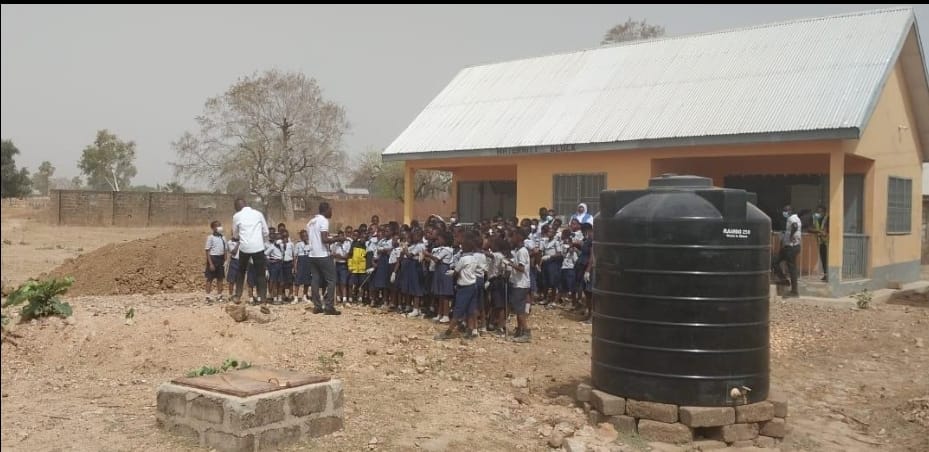
Meanwhile, researchers at the Navrongo Health Research Institute, a government-supported public health research centre under the Ghana Health Service that conducts public health and epidemiological research, confirm what communities here have long suspected: that the amount of dust in the air increases the severity of meningitis outbreaks.
But, they say, there is a troubling gap: there are no studies actively monitoring the relationship between dust levels and disease spread in real time, and no system currently in place to track it.
Researchers say part of what makes harmattan dust so dangerous is what it contains. It is not merely sand. Saharan dust carries fine particulate matter, microscopic particles known by their sizes – PM2.5 and PM10 – that are small enough to penetrate deep into the lungs and, in some cases, enter the bloodstream directly. A 2019 study monitoring the impact of desert dust outbreaks found that concentrations of these particles can reach alarming levels during desert dust episodes, near the source areas and far beyond them.
Northern Ghana sits squarely in that zone of exposure.
But the risk is spread anywhere that harmattan dust travels. Research published on air quality in West African cities including Accra found that PM2.5 levels peak during the long dry season, the harmattan months. During a prominent pollution episode in January 2021, satellite data revealed Saharan dust transport as an additional source of fine aerosol pollution, significantly increasing PM2.5 levels across the region.
Children, elderly people, pregnant women, and those with existing respiratory or cardiovascular conditions face the highest risk, according to Ms Adongo of the Bolgatanga Health Promotion Office. Yet without monitoring data, Ghana’s health system operates effectively blind during the most dangerous months of the year.
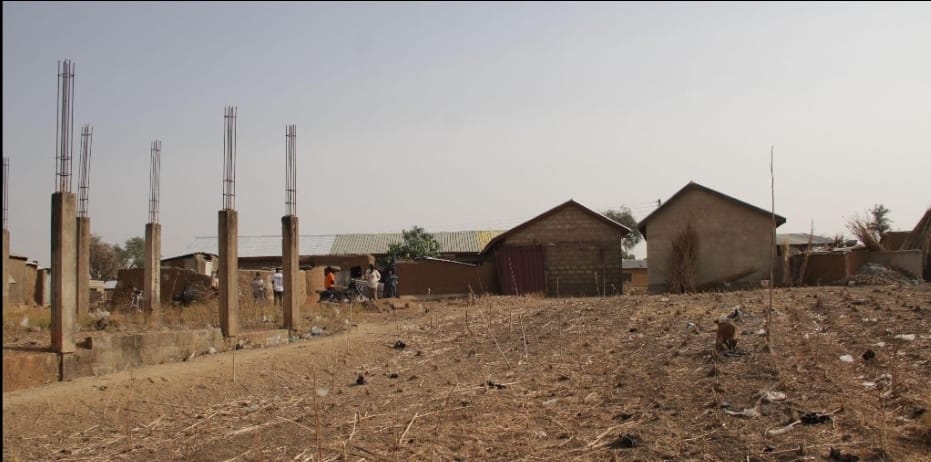
Professor David Millar, an expert in environmental sciences, warns that the situation may worsen. Climate variability, he says, is making dry harmattan seasons less predictable — potentially creating dustier conditions that increase susceptibility to disease. Yet in northern Ghana, no ground-level air quality monitoring infrastructure exists to track these environmental risks or to inform public health policy in real time, leaving millions of people exposed each dry season with no early warning system in place.
Experts like Ms Adongo say they are worried, because the dust itself is a growing public health problem beyond meningitis. Air pollution-related illnesses kill approximately 35,000 people prematurely in Ghana each year. Many more, like Abinya Ayine, survive but live with permanent complications for the rest of their lives.
Ghana’s Director-General of the Ghana Health Service, Dr Samuel Kaba Akoriyea, has tasked the Navrongo Health Research Centre and the University for Technology and Applied Sciences to extend its investigation into the root causes of the annual death toll and understand the nuances.
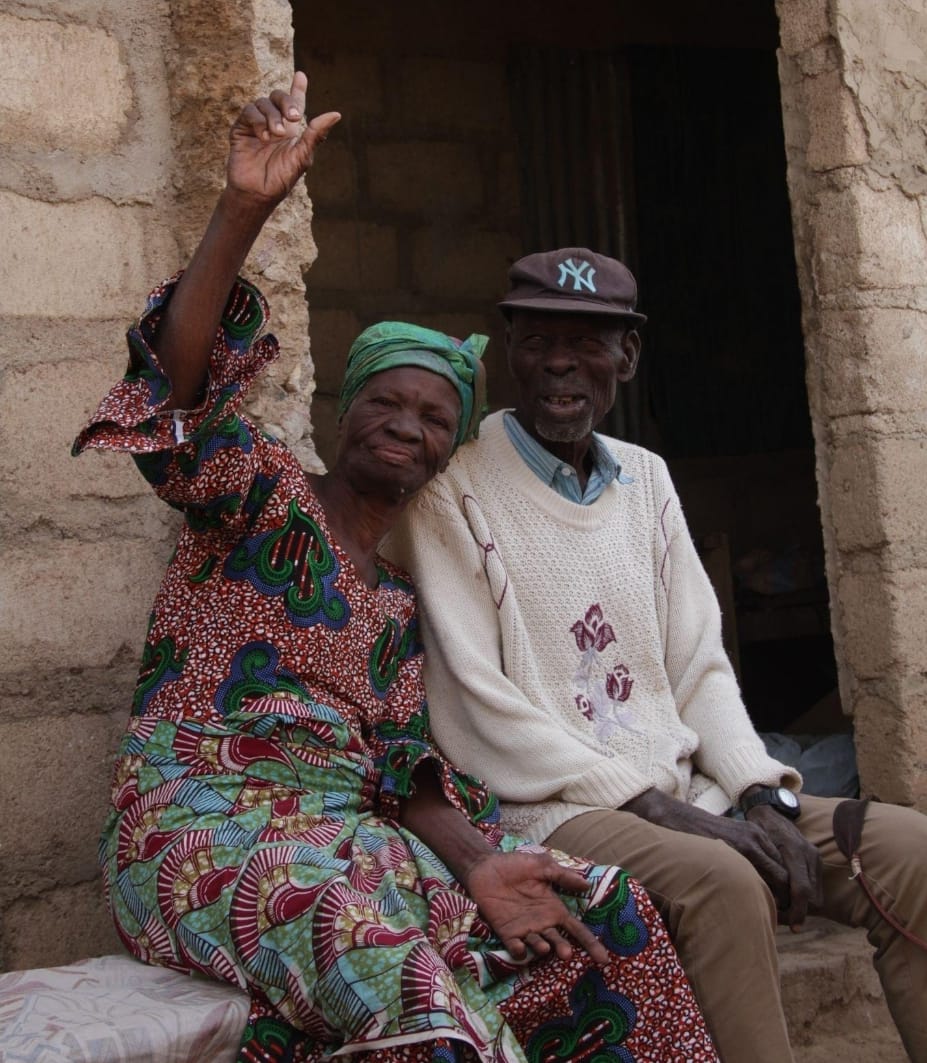
For Adinboyi Abugre, the explanations about ventilation and bacteria have come too late for his wife. Health workers have visited. They’ve taught what they can. He listens. He has moved into a different room within the same compound with his wife. This room has better ventilation. He tries to keep the windows open, even when the dust makes that feel like a losing battle.
But his wife is 73. She does not farm anymore. He is older now too, and farming alone is hard. Her medical bills add pressure to what little he earns. The silence between them — once filled with conversation, with the sounds of basket weaving, with the noise of a full life — is a constant reminder of their loss.
“The authorities should take serious steps to educate the public on the possible causes and effects of this disease, because it’s deadly,” Mr Abugre says. “Government should also set funds aside to support survivors. They go through a lot and can’t engage in any substantial economic activity. If there is a special fund that takes care of their medical bills and daily upkeep, it will help them a lot.”
Ms Ayine does not know the names scientists give to what floats in that wind. She only knows what it took from her. But she thanks God for her life.
This story was a collaboration with New Narratives as part of the Clean Air Reporting Project. Funding was provided by the Clean Air Fund. The funder had no say in the story’s content.