
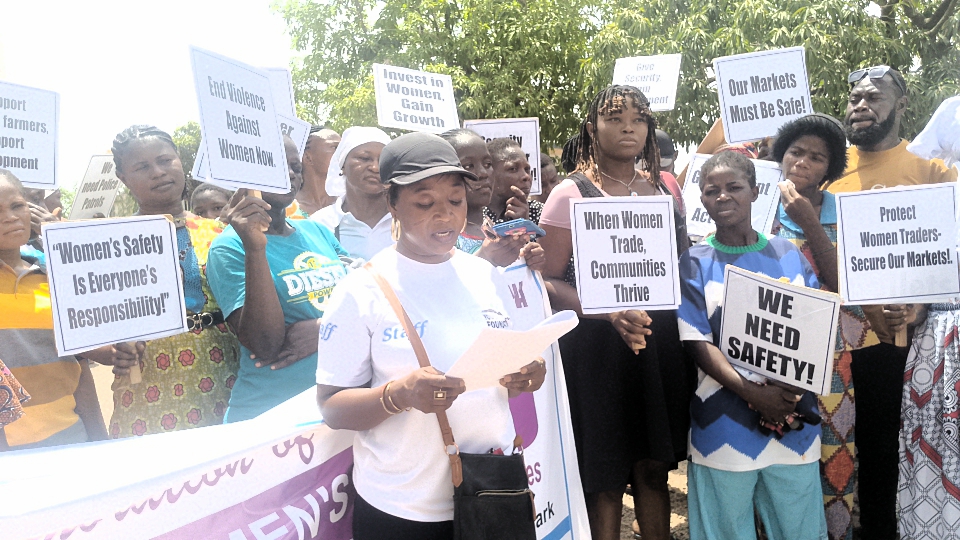
Members of the Network for Women’s Rights in Ghana (NETRIGHT), alongside partners including the Widows and Orphans Movement (WOM), RISE-Ghana, Youth Harvest Foundation, Anglican Diocesan Development and Relief Organization, and the Basic Foundation for Women Empowerment, have called on authorities in the Upper East Region to take immediate and decisive action to address growing threats to women’s safety and livelihoods.
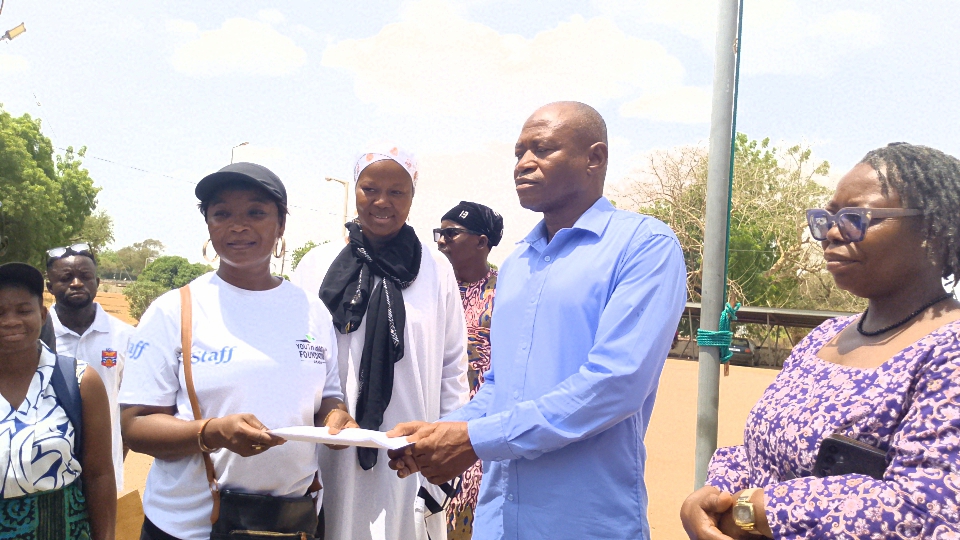
The appeal was contained in a communiqué presented on March 26, 2026, to the Upper East Regional Minister as part of activities marking International Women’s Day.
Presenting the communiqué on behalf of the coalition, Gender Specialist at Youth Harvest Foundation Ghana, Abigail Adumolga, highlighted key concerns affecting women and girls in the region, including insecurity, teenage pregnancy, economic exclusion, and limited access to justice.
According to the group, rising insecurity, particularly in Bawku and surrounding communities, is negatively impacting women traders, exposing them to robbery and violence, and forcing many out of business.
“Women traders are increasingly exposed to daylight armed robbery, conflict-related violence, and cross-border insecurity, particularly in Bawku and surrounding communities. This constitutes both a security and economic crisis, as fear and instability are forcing women out of markets and weakening household incomes,” the communiqué stated.
The group also pointed to persistently high teenage pregnancy rates, noting that thousands of cases recorded in 2025 have contributed to increased school dropouts and long-term socio-economic challenges for young girls.
The communiqué further highlighted the low representation of women in leadership as a barrier to inclusive governance. It also raised concerns about the economic marginalization of women, especially widows, who face challenges in accessing land, credit, and business opportunities.
“Women, particularly widows, continue to face systemic barriers in accessing land, credit, and economic opportunities. This exclusion is not accidental; it is a persistent structural failure that limits women’s contributions to regional development,” the group noted.
In addition, the coalition expressed concern over weaknesses in the justice system, which they say allow cases of gender-based violence to go unpunished, and highlighted the vulnerability of women working in the informal sector under unsafe and exploitative conditions.
To address these challenges, NETRIGHT is urging the Regional Coordinating Council to implement targeted interventions, including improved market security, expanded reproductive health education, stronger enforcement of laws promoting women’s political participation, and increased investment in women-focused economic initiatives, particularly in agriculture.
The group also called for enhanced legal support systems for survivors of gender-based violence and improved protections for women in informal employment.
The organizations reaffirmed their commitment to promoting gender equality, supporting peacebuilding efforts, and collaborating with stakeholders to expand opportunities for women and girls in the region.
“The development of the Upper East Region depends significantly on the safety, empowerment, and active participation of women in economic and social life. Addressing insecurity and strengthening support systems for women will not only improve livelihoods but also contribute to sustainable peace and development,” they stressed.
Receiving the petition on behalf of the Regional Minister, Regional Planning Officer at the Regional Coordinating Council, Ibrahim Abdul-Kadir Al-Hassan, assured the group that their concerns would be given due attention.
A1 Radio | 101.1 MHz | Gifty Eyram Kudiabor | Bolgatanga