
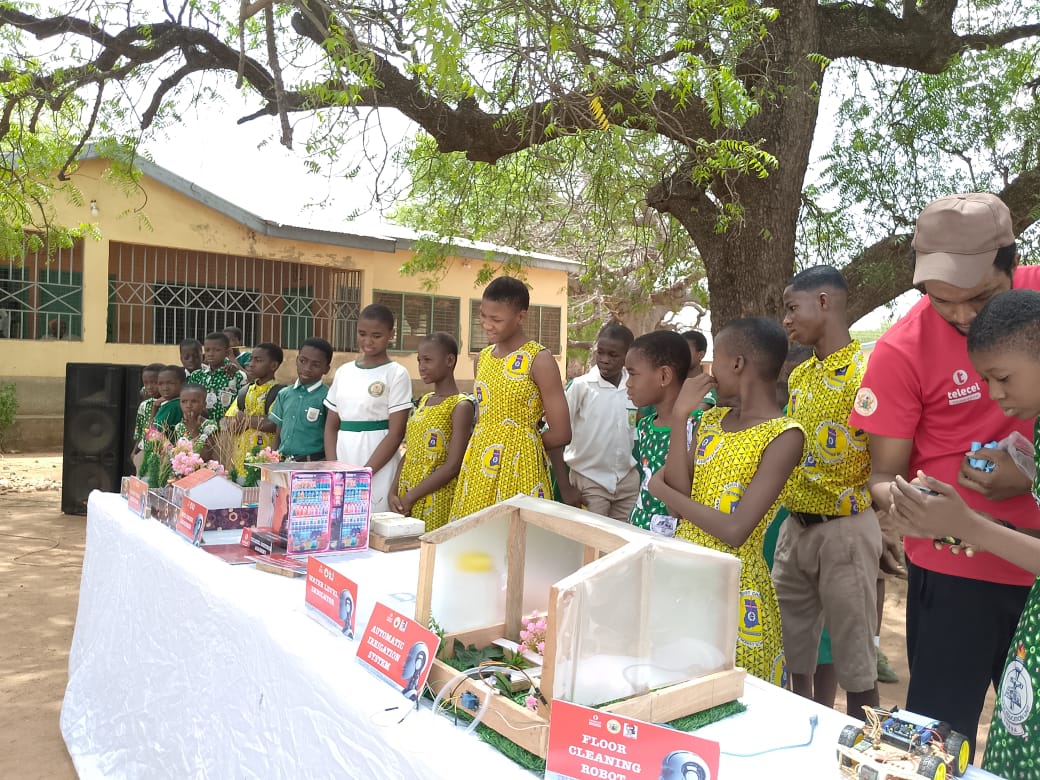
The Telecel Ghana Foundation, in partnership with Asustem Robotics, has trained and graduated about 500 students from 19 basic schools across five regions in Ghana under its DigiTech Academy programme.
The participating regions include Volta, Central, Upper East, Upper West, and Ahafo. The initiative forms part of the third cohort of the DigiTech Academy, which has been running since September 2024. The programme began in Ho and has so far reached 13 regions nationwide.
During the 12-week training, students were equipped with practical skills in coding, robotics, and digital innovation. They were guided through hands-on learning processes that enabled them to develop technological solutions to real-life challenges.
Some of the projects showcased at the closing ceremony included forest fire detection robots capable of sending alerts during fire outbreaks, floor-cleaning robots designed to ease household chores, and automated irrigation systems aimed at improving agricultural efficiency. Other students also developed websites, including platforms to promote girls’ participation in science, technology, engineering, and mathematics (STEM).
Speaking to the media at the closing ceremony for the latest cohort, held on March 30, 2026, at St John’s Junior High School in Bukere, Bolgatanga, Frank Tsikata of the Telecel Ghana Foundation indicated that the initiative is designed to nurture curiosity and creativity among young learners while introducing them to opportunities in STEM fields.

“It is a programme that was birthed by the Telecel Ghana Foundation to equip young students with technological skills, particularly in coding, robotics, and digital innovation. The programme sparks their imagination and helps them bring their ideas to life,” he said.
The training model combines theory with practical application, allowing students to build and test their own innovations. A key highlight of the programme is its focus on gender inclusion, with about 70 percent of participants being girls. Mr. Tsikata said this is part of a broader effort to bridge the gender gap in the technology sector and encourage more young females to pursue careers in science and technology.
“You can see 70 percent of the participants are girls, and that is what we want to be the face of Ghana, so that more females and girls develop interest in science,” he said, urging young people to keep learning. “My advice to them is to stay curious, keep asking questions, and keep working hard.”
The foundation also noted that aspects of the programme are being integrated into school curricula, with plans to further develop some of the students’ projects to address national challenges.
Participants described the programme as impactful, noting that it improved their understanding of coding and introduced them to tools such as HTML and CSS, which have also supported their academic work. Many expressed increased confidence in pursuing careers in technology-related fields, including computer engineering. Some also highlighted how the programme changed their perception of technology, turning initial fears about coding into interest and enthusiasm through guided learning and mentorship from instructors.
“When the journey began, I saw some coding on our master’s project, and I was really scared because the codes were too much. I was wondering how we could master all the codes to present on it, but with the help of our teacher, Evans Asare, we are really grateful for him. He broke it down for us so we could understand and create our own websites,” said Cyrus Azobila, a Basic 9 pupil at St John’s JHS who participated in the programme.
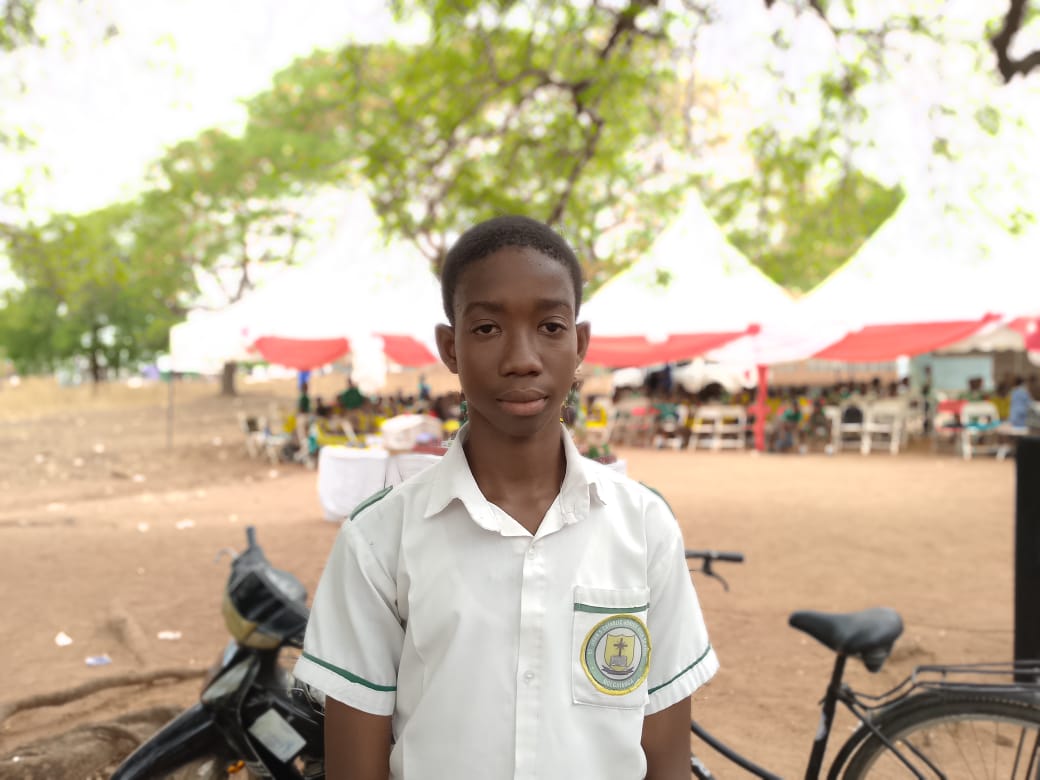
“Regarding my project, Girls in STEM, I plan to become a computer engineer, so this project has helped me understand more about coding as part of that path. When I grow up, I will be able to catch up with what computer engineering is all about,” Mr. Azobila added.
“Learning website development has been a lot, but it has been a great experience. I never knew about coding, HTML, or CSS before,” said Sylvia Ayinpoka Ayingolsa of Sacred Heart Junior High School.
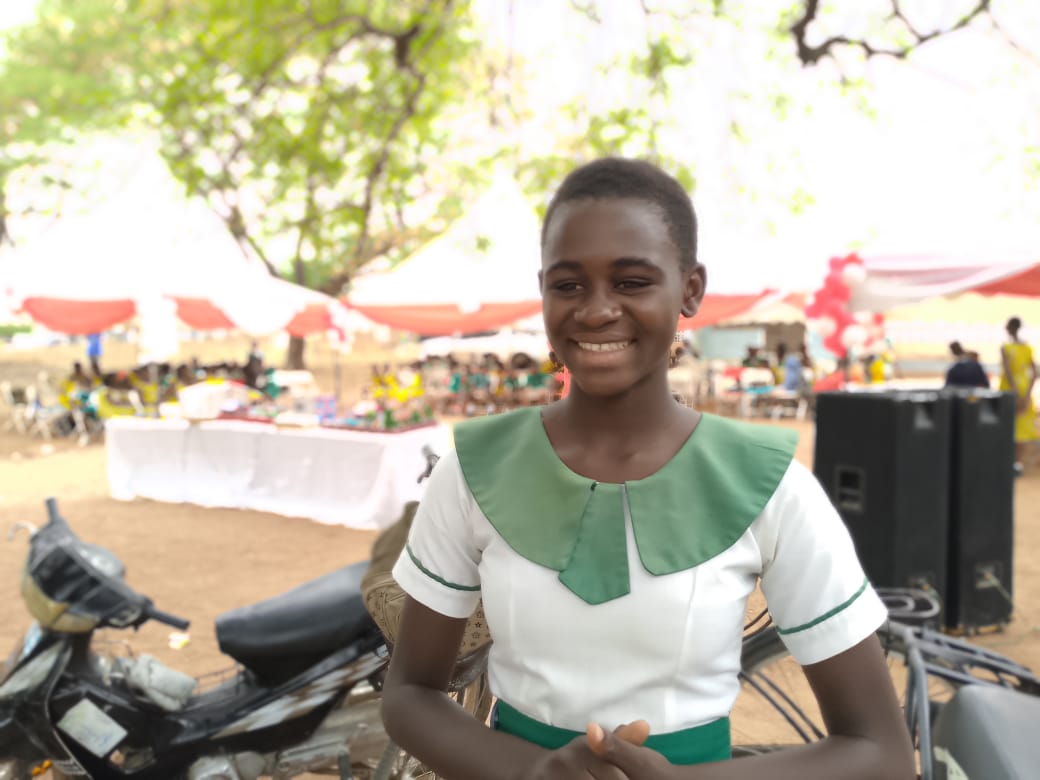
Touching on her project, a website to book commercial autorickshaws, Ms. Ayingolsa explained, “In Upper East, especially Bolgatanga, the easiest way to get around if you don’t have a motorbike or a car is by candoo. Often, someone can stand by the roadside for about 30 minutes and still not get a candoo. This platform will help users book a candoo via phone or internet to get to their destinations on time.”
The participants expressed gratitude to the sponsors for the programme’s impact and pledged to make positive use of the skills acquired in the near future.
A1 Radio | 101.1 MHz | Gifty Eyram Kudiabor | Bolgatanga