
Three hospitals in northern Ghana are set to receive new dialysis centres under a kidney care expansion initiative by Ghana Medical Help, a move expected to bring life-saving treatment closer to millions of residents in the Upper East and Upper West regions who currently have limited access to kidney care.
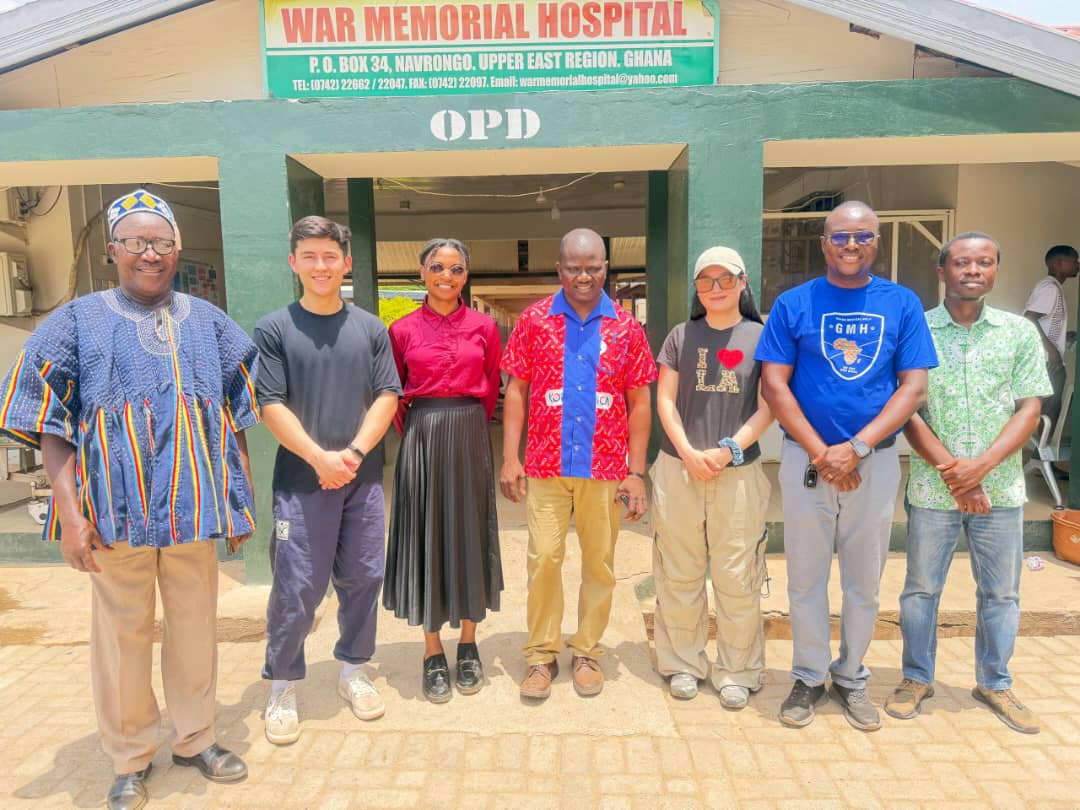
The War Memorial Hospital and the Sandema Municipal Hospital have been selected to host new haemodialysis units in the Upper East Region, while the Nandom District Hospital will receive a new dialysis centre in the Upper West Region.
The expansion will increase the number of dialysis centres across the two regions from two to five.
According to Ghana Medical Help, the selection of Navrongo and Sandema followed a needs assessment that showed most patients accessing dialysis treatment at the Bolgatanga Dialysis Centre were being referred from those two areas. The organisation concluded that establishing centres closer to those referral points would significantly reduce travel times and improve emergency response for patients requiring urgent treatment.
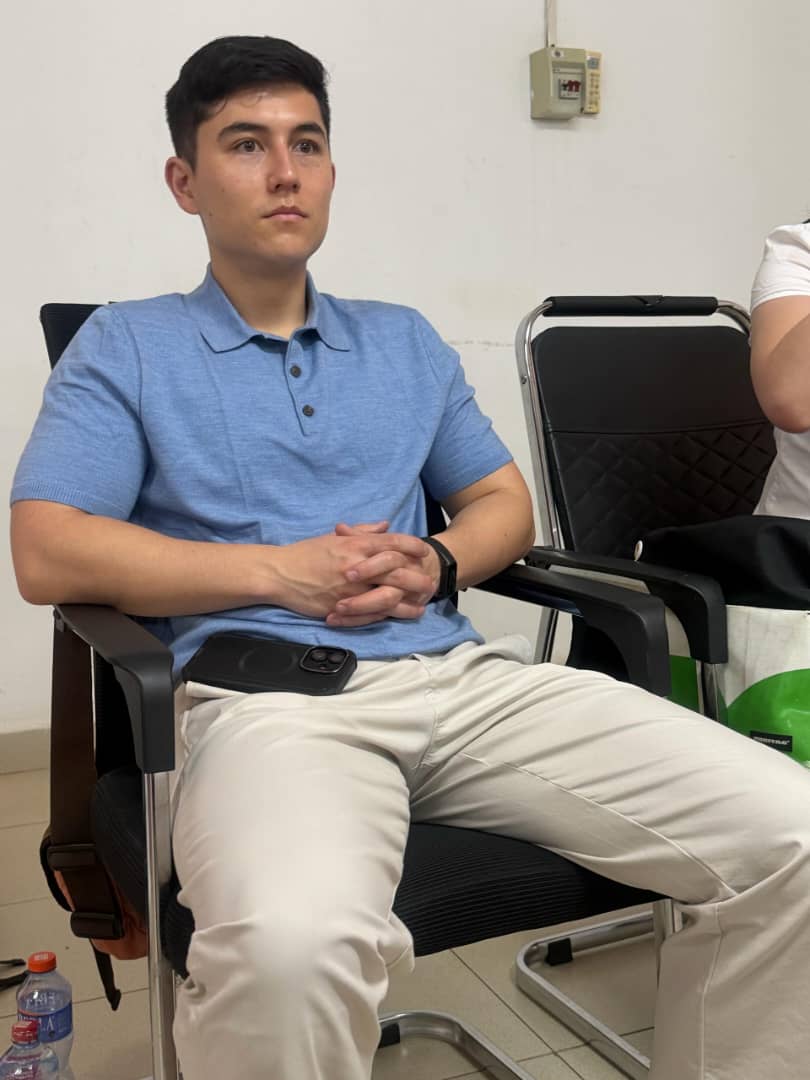
“When people have acute kidney injuries, they need to get dialysis within a reasonable amount of time,” said Nicholas Matsuba, a volunteer with Ghana Medical Help and medical student at the University of British Columbia in Vancouver. “If they don’t, they can die, or it can lead to chronic kidney disease, which then needs haemodialysis throughout the rest of their life.”
The initiative is being coordinated by Ghana Medical Help, a non-governmental organisation co-founded by Dr Dominic Akaateba, a specialist physician at the Upper West Regional Hospital and native of the Upper East Region. The organisation has also overseen the procurement and transportation of dialysis equipment from Accra to northern Ghana.
Each of the two new centres in the Upper East Region will receive three dialysis machines.
At the War Memorial Hospital in Navrongo, the machines will initially be housed in a former research ward that assessors described as structurally suitable for dialysis operations. The facility also has separate rooms that can accommodate isolation machines for patients living with Hepatitis B, Hepatitis C, or HIV.
Plans are also underway at the hospital to construct a new intensive care unit with an adjoining dialysis ward, where the machines are expected to be relocated in future.
At the Sandema Municipal Hospital, however, renovations will be required before the centre becomes operational. An old emergency department has been allocated for the dialysis unit, and project officials say the space will undergo modifications to accommodate the equipment, including an isolation room.
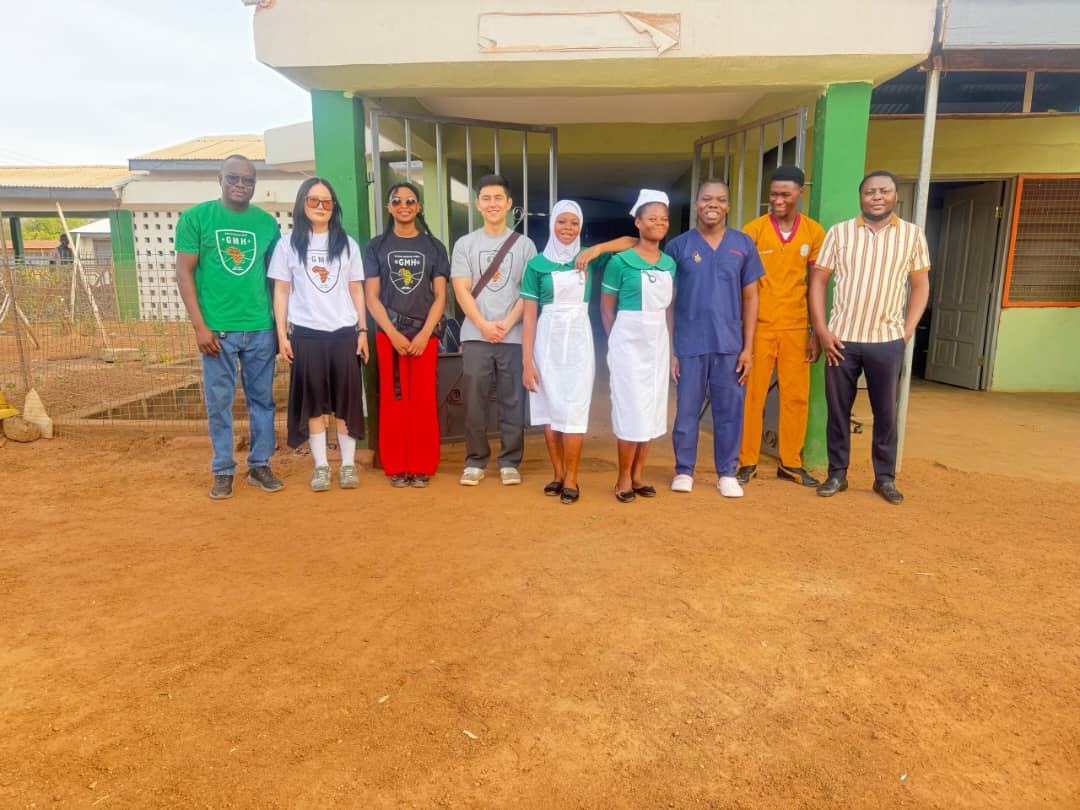
Matsuba said funding for the renovations had already been secured through a private donor, while a reverse osmosis machine needed to purify water for dialysis treatment had also been fabricated in Accra and would be transported together with the dialysis equipment.
“The only other thing besides the renovations for Sandema that we need to do is bring in the reverse osmosis machines,” Matsuba said. “They’ve all been constructed in Accra by our engineer, Mr Bright, and are being shipped up with the dialysis machines.”
In the Upper West Region, the expansion is aimed at easing pressure on the existing dialysis unit at the Wa Regional Hospital, which currently operates with only two functioning machines serving an estimated population of one million people.
“The current machines in Wa are running 24 hours a day for five days a week, and then they do a six-day half-day,” Matsuba said. “It’s not sustainable, and it actually leads to a lot of breakdown of the existing machines.”
Ghana Medical Help plans to expand the Wa dialysis unit from two machines to nine. Matsuba noted that the hospital already has the infrastructure, including a reverse osmosis system, needed to support the additional equipment, making the transition relatively immediate once the machines arrive.
The new centre at Nandom District Hospital will receive three dialysis machines, extending services to parts of the Upper West Region that currently lack access to treatment. Matsuba said the hospital was selected after assessments showed that many dialysis referrals to Wa originated from Nandom.
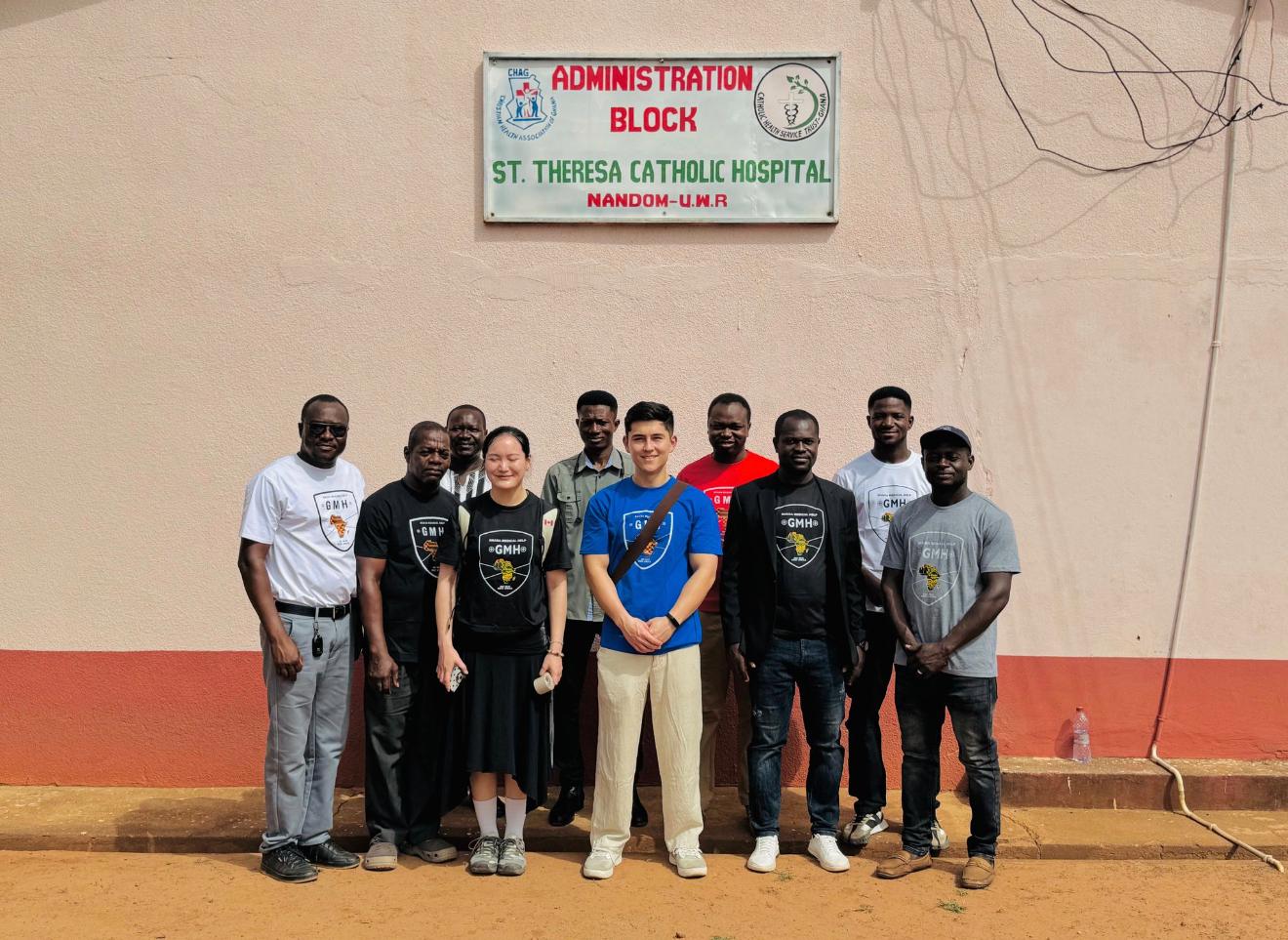
“The majority of patients referred to Wa were coming from Nandom,” he explained.
Dr Akaateba said the expansion project comes at a time when demand for dialysis services continues to rise, especially after the government introduced National Health Insurance Scheme coverage for dialysis treatment. While the policy has reduced financial barriers to care, he noted that many patients still face severe geographic challenges in accessing treatment.
Patients in some northern communities currently travel between three and seven hours each way, often twice a week, to access dialysis services. Costs related to transportation and accommodation are also not covered under the insurance scheme.
Dr Akaateba highlighted the risks this poses for pregnant women who develop HELLP syndrome, a life-threatening pregnancy complication that can temporarily shut down kidney function. He said many of those women require only a short course of dialysis treatment to recover, but delays in accessing care can prove fatal.
“The woman was not sick,” Dr Akaateba said. “Her only decision was to try to bring life to this world. And so we can’t lose you trying to bring life to this world.”
Despite the progress, project stakeholders say the biggest challenge facing the new centres is staffing. Navrongo and Nandom currently do not have trained dialysis nurses, and formal recruitment processes have not yet been completed.
“That would be the biggest barrier,” Matsuba said. “But I think optimistically, sometime by next month, those centres will be active.”
Dr Akaateba said discussions had already begun with the Regional Health Directorates in the Upper East and Upper West regions to train nurses already posted at the facilities rather than recruit entirely new staff. Under the plan, trained personnel would commit to at least three years of service to ensure continuity of care.
He said Ghana Medical Help intends to apply the same “train-the-trainer” model it has used in other health programmes across northern Ghana to ensure that expertise remains within the facilities even when staff are transferred or relocated.
The organisation is also preparing to organise a week-long clinical engineering training programme next month focused on dialysis machine maintenance. Currently, when machines break down in northern Ghana, technicians must travel from Accra to repair them, often forcing facilities to suspend services for extended periods.
“We are bringing senior trained clinical engineers to train our own people,” Dr Akaateba said. “It will reduce the cost of flying engineers over, and it will also reduce the delays of patients having to wait until that machine is fixed.”
The dialysis machines have already cleared customs and are currently being transported to the northern regions. Officials say the opening timelines for each centre will depend largely on how quickly staff can be trained and deployed.
Dr Akaateba added that the north-eastern corridor of the Upper East Region, including Bawku, remains without dialysis coverage and could be considered for future expansion if funding becomes available.
A1 Radio | 101.1 MHz | Mark Kwasi Ahumah Smith | Bolgatanga