A women’s empowerment programme in Ghana’s Upper East Region is expanding to a new community using livestock bred entirely by its existing beneficiaries, marking a rare self-sustaining cycle that requires no new external funding.
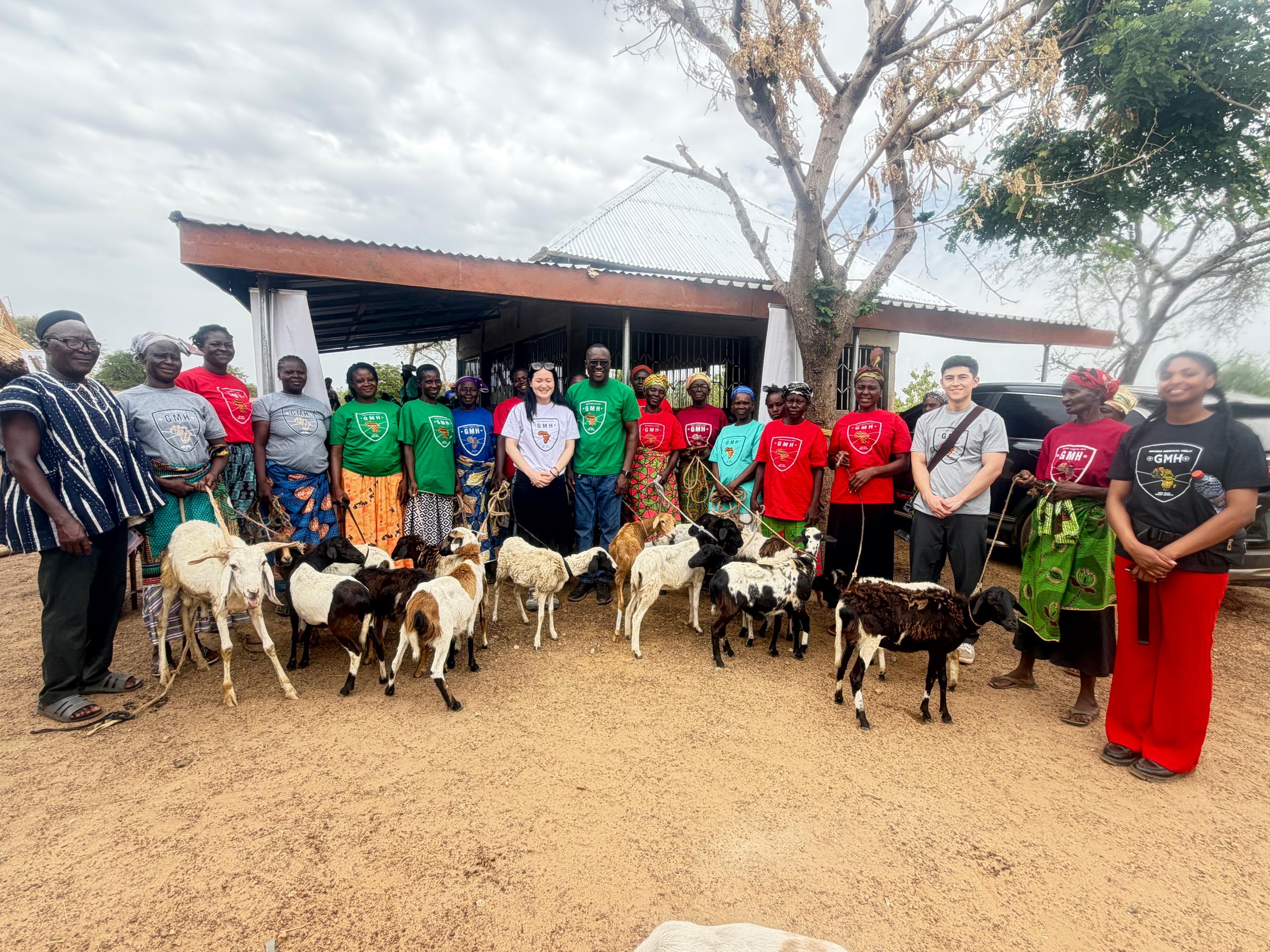
The expansion is being driven by Ghana Medical Help through its Sheep, Health, and Economic Empowerment Project, known as SHEEP. The programme distributed pregnant sheep to 90 women in three phases in Goldema, a community in the Builsa North Municipality. Now, offspring returned by those beneficiaries are being used to stock a new group of women in nearby Mutinsa.
“So we are expanding to a new community called Mutinsa, and all of that sheep that we are going to give to Mutinsa is coming from the old community,” said Dr Dominic Akaateba, co-founder of Ghana Medical Help.
The model is built around a livestock “revolving fund,” in which each beneficiary receives a pregnant Burkina Faso sheep. After the animal gives birth, the woman keeps one lamb and returns another to the programme. That lamb is then bred and passed on to the next group of beneficiaries.
Programme officials say the Burkina Faso breed is well suited for rapid scaling because it can lamb twice a year, often producing two to three offspring per cycle.
Beyond livestock distribution, SHEEP includes quarterly training sessions that combine animal husbandry with public health education, environmental health, and basic business skills. Organisers say the group-based approach has also strengthened social cohesion among participants.
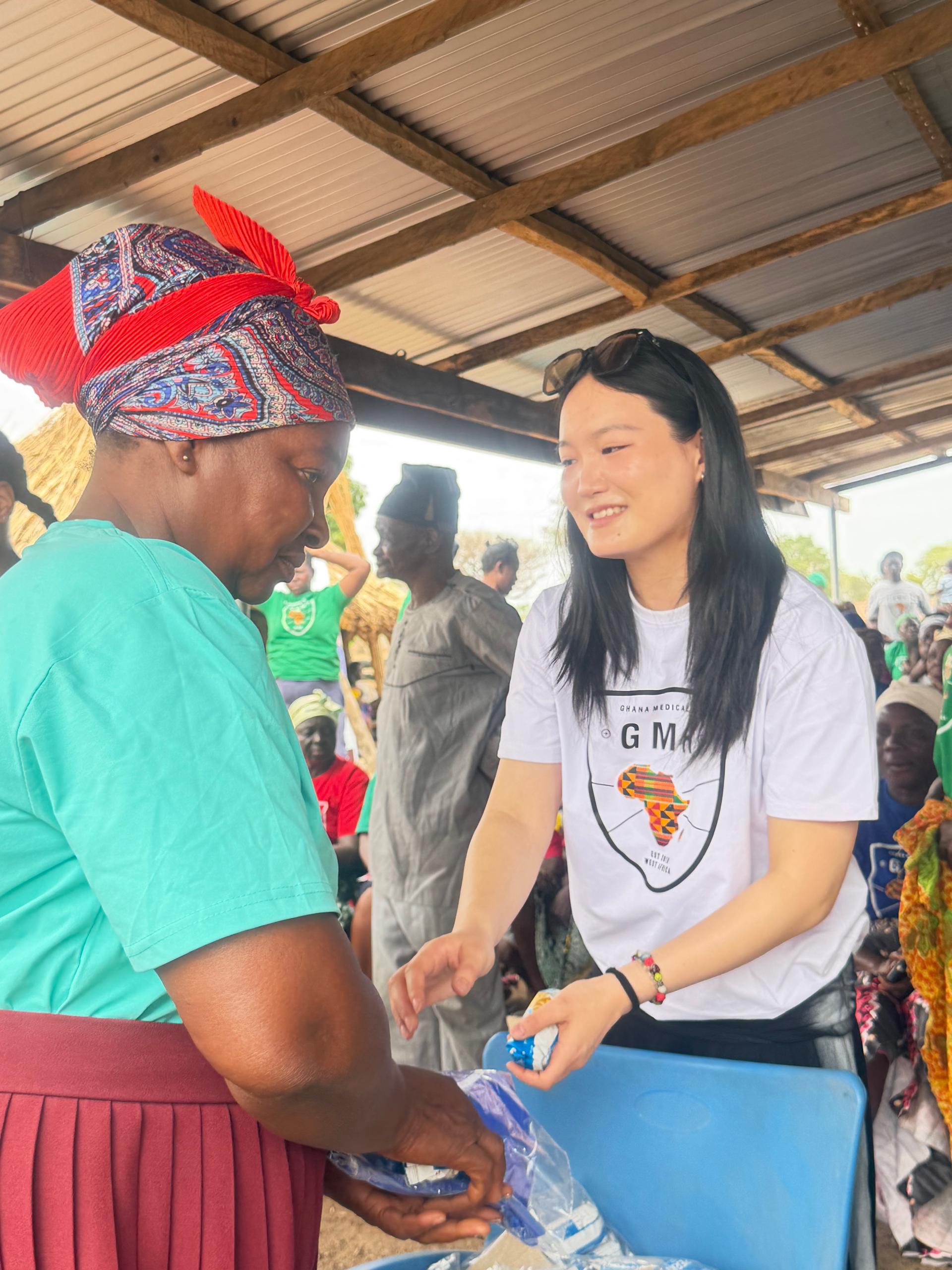
“The sheep project is vital to their identity, even,” said Rose Oh, a medical student at the University of British Columbia in Canada who conducted focus group discussions with beneficiaries in Goldema. “To see them brainstorm new ways to further the sheep project as a community, and listening to their voices was very, very powerful.”
Baseline research conducted when the project began in Goldema covered 83 households, representing about 73% of the community. It found that half of household heads had no formal education, only 26% were enrolled in the National Health Insurance Scheme, and nearly all households depended on subsistence farming. Just 11% previously owned sheep.
According to a strategy report prepared by Dr Jacob Achumboro Ayang of the SHEEP project, the 60 sheep initially distributed in Goldema have now grown to 99 through breeding and redistribution.
When asked about the project’s impact, participants repeatedly described it in social terms.
“We are all together. We are all unified,” beneficiaries said during focus group discussions.
The impact has also been economic. Many women in Goldema earn less than two cedis a day from activities such as firewood collection, with profits of about five cedis per bag and only a few bags sold each month. The sheep provide an additional income source, nutritional benefits, and improved household influence for women in communities where decision-making power is often limited.
“Since they have the sheep, they now have more social status or decision-making power in the household,” Oh said.
The expansion to Mutinsa follows a needs assessment framework that considers household size, poverty levels, livestock ownership, access to education and health care, and the presence of social cohesion mechanisms such as informal savings groups.
Women in Goldema have also expressed interest in supporting the rollout in Mutinsa, not only by supplying livestock but also by serving as trainers and peer educators. Discussions have included cross-community learning sessions on sheep rearing and income-generating activities such as shea butter and shea oil production.
“There is infinite potential,” Oh said. “Women exchanging ways how to take care of the sheep, but also economic business ideas for the entire community.”
Beyond Mutinsa, Ghana Medical Help has identified three additional communities in the Builsa North Municipality for possible expansion, prioritised using the 2024 Multidimensional Poverty Index.
Zungdem-Apiidisa ranks highest with an MPI of 85.9 percent, followed by Korri Alab Yeri at 75.1 percent and Sinyangsa-Moteesa at 69.5 percent. The organisation estimates the next phase could reach between 450 and 600 people, based on average household sizes.
Ghana Medical Help says the SHEEP model is designed to function independently over time through a train-the-trainer approach, ensuring that knowledge remains within communities even after external support reduces.
The programme has also incorporated lessons from earlier challenges, including livestock health issues experienced in Kadema. Phase 2 includes strengthened vaccination schedules, veterinary supply systems, and rapid response mechanisms to prevent disease outbreaks and protect herd growth.
A1 Radio | 101.1 MHz | Mark Kwasi Ahumah Smith | Bolgatanga