
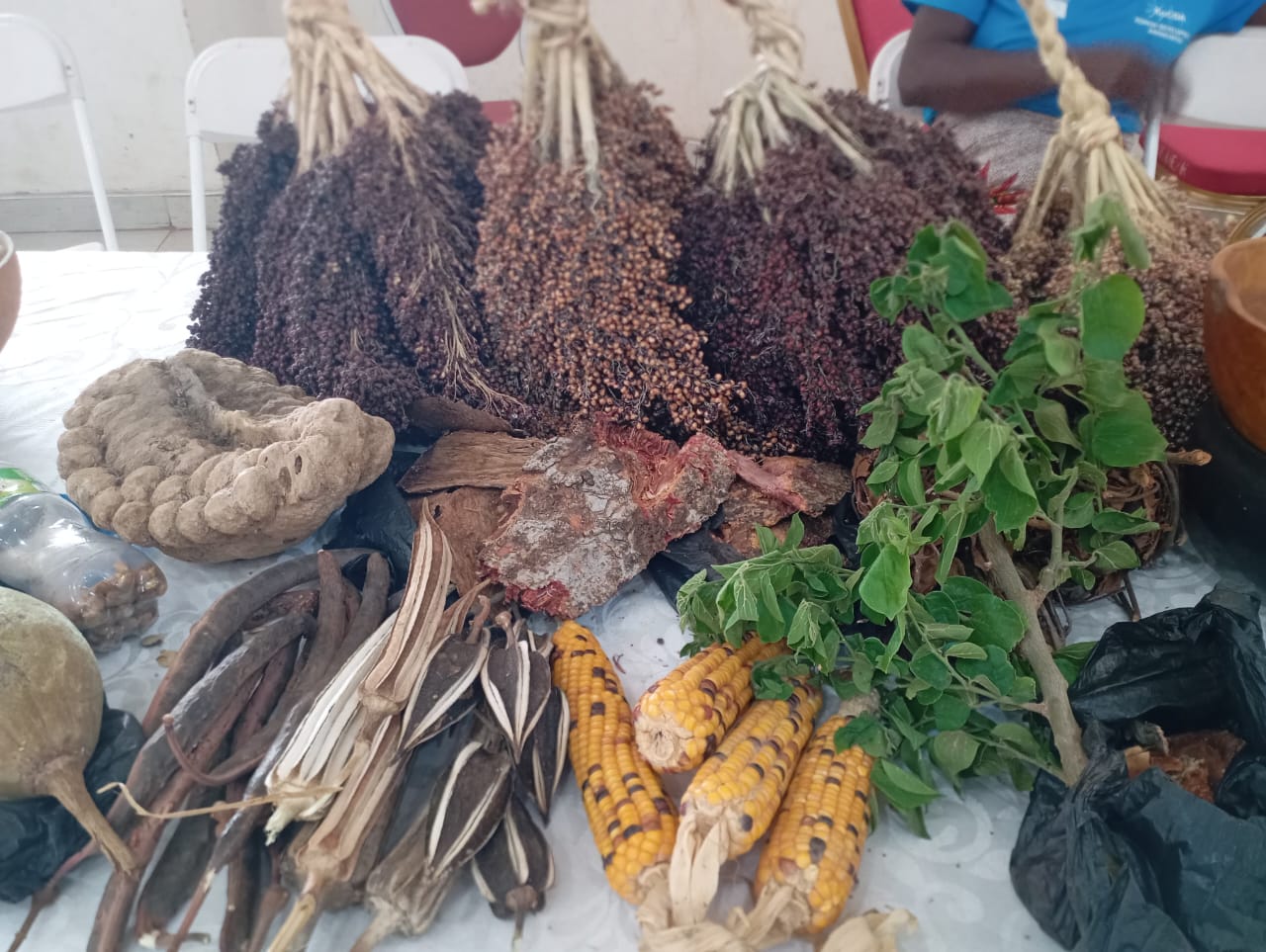
Stakeholders in agriculture and indigenous food systems have renewed calls for the protection and preservation of local seed varieties, warning that the increasing dominance of hybrid and commercial seeds threatens the cultural identity and food sovereignty of local communities.
The call was made during the third edition of the Seed Fair organised in Bolgatanga under the Trax Ghana and The Beela Project partnership, which attracted several stakeholders from across the country.
At the event, Field Coordinator and Technical Support Officer for the Trax Beela Project, Robert Anaab, described indigenous seeds as central to the survival and identity of communities in northern Ghana.
“Our seeds are our identity, they are our power and they are our future,” he stated, stressing the urgent need to preserve local seed varieties for future generations.
According to him, the influx of hybrid and commercial seeds has gradually displaced indigenous varieties that have sustained communities for centuries.
He explained that unlike hybrid seeds, which farmers must purchase every farming season, local seeds can be stored, replanted, and maintained for generations while retaining their resilience and genetic purity.
“For hybrid seeds, farmers have to buy from agro-dealers every year, but local seeds can remain in the system for hundreds of years and still maintain their resistance to climatic conditions,” he noted.
Mr. Anaab disclosed that the Beela Project has established a community seed bank in Gundong in the Nabdam area to preserve and exchange indigenous seed varieties among farmers.
He further called for stronger collaboration among stakeholders, traditional authorities, and farming communities to expand community seed banks and strengthen seed sovereignty.
Also speaking at the event, Dr. Pratap Shrestha of SeedChange expressed concern about the rapid disappearance of indigenous seeds due to the growing influence of corporate seed systems.
“We are losing our indigenous local seeds because commercial and corporate seeds are displacing them. Yet these local seeds are the foundation of our food culture and the livelihoods of farming communities,” he said.
Dr. Shrestha explained that seed fairs play a crucial role in conserving seed diversity, promoting awareness, and providing opportunities for farmers to exchange seeds and indigenous knowledge.
He praised farmers for continuing to conserve traditional seed varieties despite pressure to adopt commercial alternatives.
“The surprising thing is that farmers are still maintaining and conserving a large variety of seeds despite the pressure from companies to use commercial seeds,” he said.
Dr. Shrestha also highlighted the importance of preserving indigenous knowledge associated with local seeds, including farming methods, food preparation, and cultural practices.
“These seeds are part of the identity of the people. They must be protected, conserved, and continuously cultivated for the future,” he added.
The Seed Fair attracted farmers, NGOs, traditional leaders, agricultural stakeholders, and seed enthusiasts from across the region to showcase local crop varieties and discuss sustainable food systems.
A1 Radio | 101.1 MHz | Gerard Asagi | Bolgatanga