

What was once discarded as worthless farm waste is now restoring degraded lands, improving harvests and creating new hope for farming communities across northern Ghana.
In Awaradone, a farming community in the Talensi District of the Upper East Region, women, youth and smallholder farmers are embracing biochar—an environmentally friendly soil amendment produced from agricultural waste—as a sustainable alternative to expensive chemical fertilizers.
The innovation forms part of the Sahelian Landscapes – A Land of Opportunities (LOGMe II) project being implemented by the International Union for Conservation of Nature (IUCN) and the Water Resources Commission across communities in the Upper East and Upper West Regions to restore degraded landscapes while improving livelihoods.
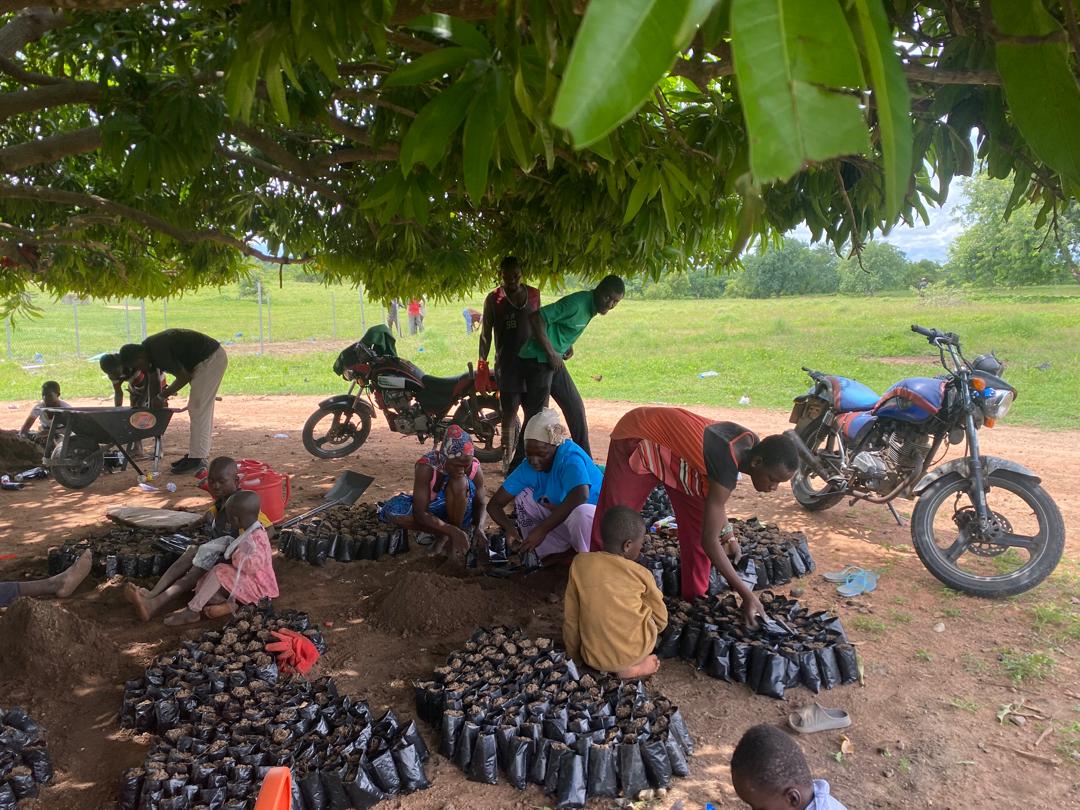
Alongside biochar production, the project is establishing community tree nurseries that will produce thousands of indigenous and fruit tree seedlings to rehabilitate degraded lands through agroforestry and assisted natural regeneration.
Project Officer at IUCN Ghana, Derick Sedenkor, said the initiative places communities at the centre of restoring their own environment while creating economic opportunities.
He explained that the nurseries will not only supply seedlings for restoration but also serve as learning centres where farmers acquire practical skills in seed propagation, nursery management and sustainable land restoration.
For many farmers, however, the greatest excitement surrounds biochar. Unlike chemical fertilizers whose prices continue to rise, biochar is produced from readily available farm residues such as maize cobs, rice husks, groundnut shells, sorghum stalks, soybean residues and animal manure.
According to Soil Research Scientist Richard Kwame Denteh, biochar improves soil fertility by activating existing nutrients rather than replacing them with synthetic chemicals.
“It is an affordable alternative to fertilizer. Instead of throwing farm waste away, farmers can convert it into biochar to improve soil fertility and gradually reduce their dependence on chemical fertilizers,” he explained.
Beyond reducing production costs, biochar offers environmental benefits that conventional fertilizers cannot provide.
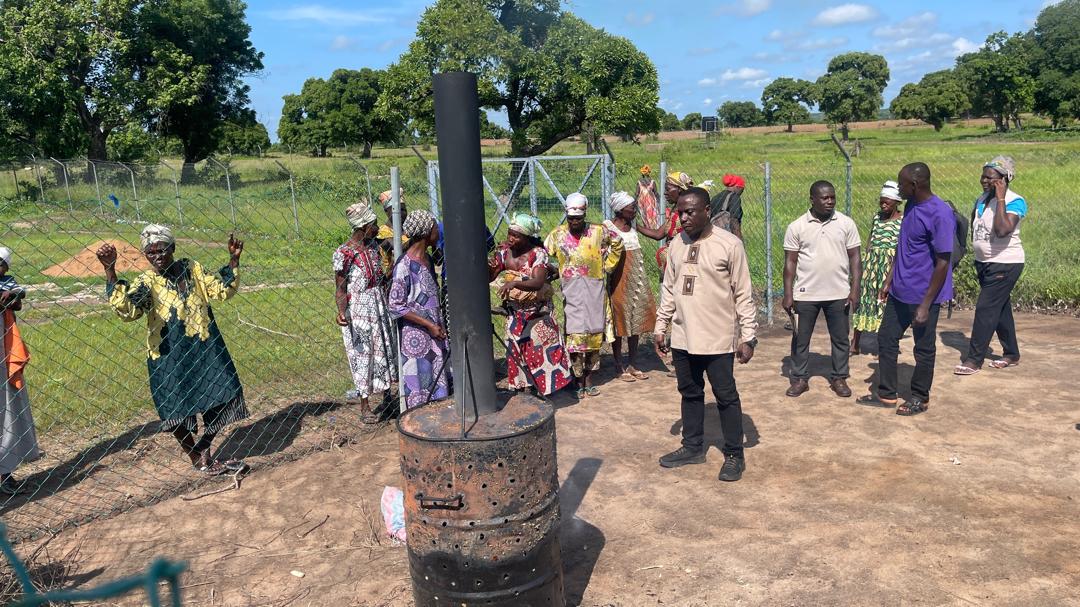
It improves soil structure, retains moisture during prolonged dry spells, encourages beneficial microorganisms, and stores carbon in the soil, helping communities adapt to climate change while reducing greenhouse gas emissions.
Mr. Denteh noted that excessive application of inorganic fertilizers is increasingly affecting food quality and degrading soils.
“This technology improves both the quantity and quality of food while protecting the environment through carbon sequestration,” he said.
For a retired teacher and farmer from Awaradone community, Celestina Aduko, the training has changed the way she thinks about farming. She said the community had long regarded crop residues as waste until learning they could be transformed into valuable soil enhancers.
“Instead of spending huge amounts of money buying fertilizer, we can now produce our own from materials around us. This will enrich our soils naturally and save us money,” she said.
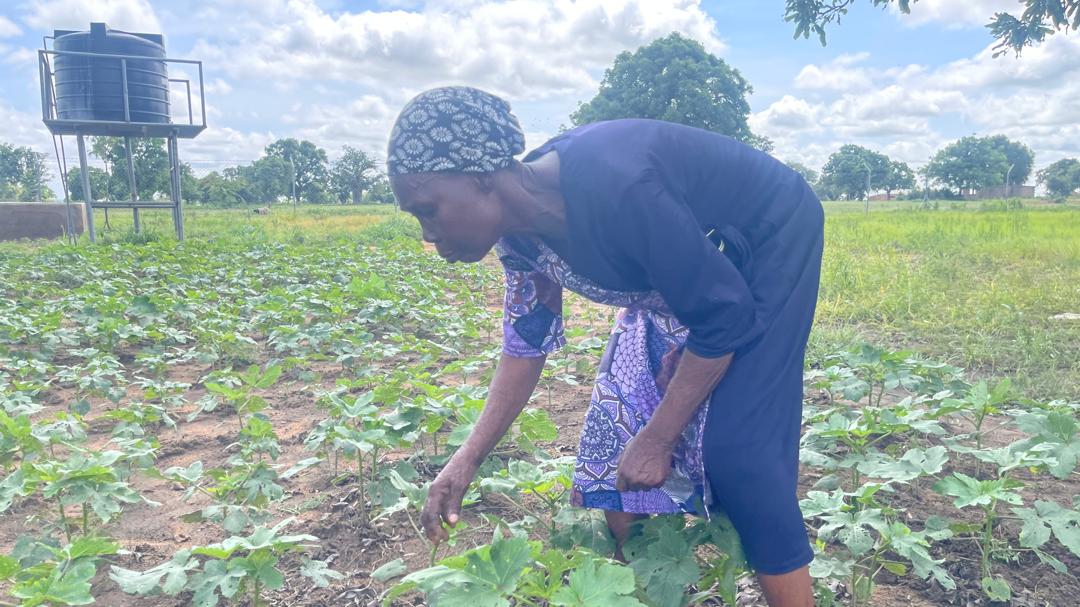
A farmer, Azure Mark, believes the innovation will significantly improve crop yields while reducing production costs.
“We spend a lot of money on fertilizer every season. Now we have learned how to make biochar ourselves from farm waste. It will help us harvest more and spend less,” he said.
Agricultural Extension Agent Ayaaba Abanga Simon described biochar as a practical climate adaptation technology.
He explained that by recycling agricultural residues into biochar, communities are converting waste into wealth while making their farms more resilient to erratic rainfall.
“When dry spells occur, biochar retains moisture in the soil, allowing crops to survive longer. Farmers are not only restoring degraded lands but also increasing productivity using materials already available within their communities,” he said.
Beyond healthier soils, the LOGMe II project is creating opportunities for women and young people through community nurseries, green enterprises and skills development.
By linking environmental restoration with livelihood improvement, the initiative is demonstrating that restoring degraded landscapes is not simply about planting trees—it is about rebuilding local economies, empowering communities and securing a more climate-resilient future for northern Ghana.
A1Radioonline.com|101.1Mhz|Joshua Asaah